
When coffee tastes noticeably bitter or sour, the problem is often easier to fix than it seems. The flavor can give you useful clues about what happened during brewing, from extraction time and grind size to the coffee itself. This guide explains how to tell bitter coffee from sour coffee, what commonly causes each one, and how to make adjustments without changing everything at once.
What Does Bitter or Sour Coffee Actually Mean?
Coffee naturally contains a wide range of flavors, including acidity and bitterness. A little of either can be part of a balanced cup, so the goal is not to eliminate these sensations completely. The problem is usually imbalance. If the coffee tastes sharply sour, harshly bitter, or unpleasantly dry, something may need adjusting.
Sour Coffee
Sourness can sometimes be confused with the natural acidity found in coffee. A coffee with notes of citrus, berries, apples, or other fruits may have noticeable acidity without being badly brewed. The more useful distinction is whether the cup tastes bright and balanced or simply sharp and unpleasant. Very sour coffee is often associated with under-extraction, meaning the brewing process did not extract enough of the soluble compounds from the ground coffee. Common signs include:
- Sharp or sour taste
- Thin or weak body
- A cup that seems unfinished
- Bright acidity that dominates everything else
- Flavor that disappears quickly after swallowing
Bitter Coffee
Bitterness is also a natural part of coffee. However, excessive bitterness can make a cup taste harsh, burnt, or unpleasantly dry. Over-extraction is one common explanation. This happens when the brewing process extracts too much from the coffee grounds. But extraction is not the only possible reason for bitterness. A very dark roast can naturally produce a more bitter, roast-forward flavor, and old or stale coffee can also taste flat, harsh, or unpleasant. Common signs include:
- Harsh bitterness
- Dry or astringent finish
- Burnt or overly roasted flavors
- A cup that feels heavy but lacks sweetness
- Bitterness that dominates the other flavors
Under-Extraction vs. Over-Extraction
Extraction is simply the process of water dissolving compounds from ground coffee during brewing. The amount and balance of those compounds depend on several variables, including grind size, water temperature, brewing time, water-to-coffee ratio, and brewing method.
What Is Under-Extraction?
Under-extraction happens when the brewing process does not remove enough soluble material from the coffee. This can happen when the coffee is ground too coarsely, the brewing time is too short, or the water does not extract efficiently. A typical under-extracted cup may taste sour, sharp, thin, weak, or unbalanced.
What Is Over-Extraction?
Over-extraction happens when the brewing process extracts too much from the grounds. A common cause is coffee that is ground too finely for the brewing method or remains in contact with water for too long. The result may taste bitter, dry, harsh, astringent, or unpleasantly lingering. Why coffee grind size matters goes into this in more detail.
Extraction Is Not the Whole Story
It is tempting to use a simple rule such as “sour means under-extracted” and “bitter means over-extracted.” That is useful as a starting point, but it is not a complete diagnosis. Coffee can taste bitter because of its roast level, for example. Very dark-roasted coffee can have strong roasted or bitter characteristics even when the brewing process itself is reasonably balanced. (See how coffee roasting works for why.)
Old, stale coffee can also produce a disappointing cup. As coffee loses freshness, its flavor becomes less lively, and the result may seem flat, harsh, or less pleasant even if the recipe has not changed. That is why troubleshooting works better when you consider both the coffee and the brewing process.
How to Fix Sour Coffee
If your coffee tastes sharply sour and the problem seems related to extraction, make one small adjustment and brew again.
1. Try a Slightly Finer Grind
A finer grind creates more surface area for the water to contact. If your coffee is under-extracted, moving slightly finer can help the water extract more from the grounds. Don’t make a dramatic change, because a small adjustment is easier to evaluate.
2. Increase Brewing Time
If the coffee is passing through too quickly, allowing more contact time can help. Depending on the method, this could mean:
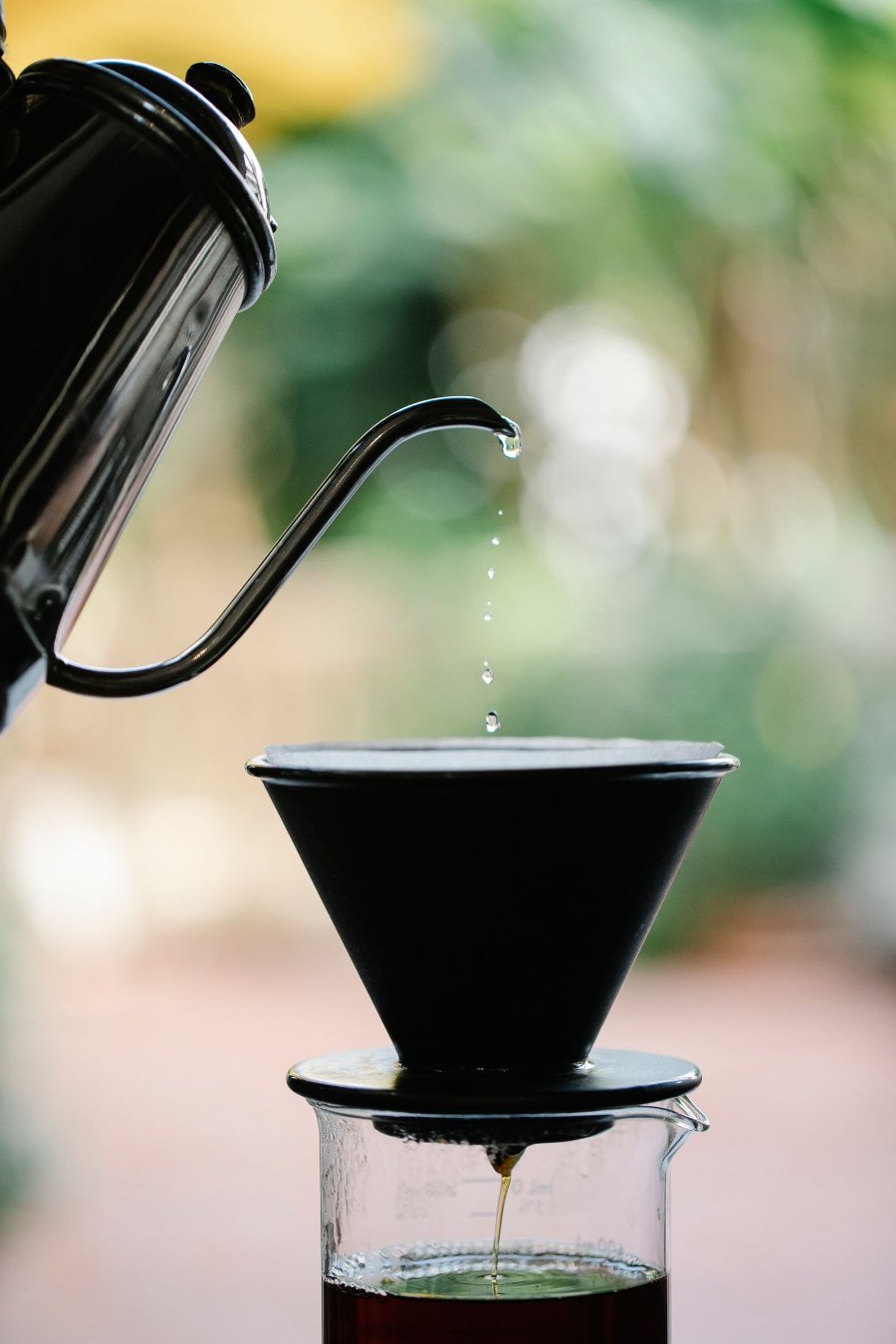
- Pouring more slowly in a pour-over
- Using a slightly longer steep in a French press
- Adjusting the grind so an espresso shot takes longer to brew
3. Consider Hotter Water
Water temperature affects extraction. If your brewing water is too cool for the coffee and method, increasing the temperature slightly may help. A practical starting range for many hot brewing methods is around 90–96°C (194–205°F), but the ideal point depends on the coffee and recipe. Be careful with very hot water and kettles.
4. Check Your Coffee-to-Water Ratio
Sometimes the coffee is not actually under-extracted, and there may simply be too much water for the amount of coffee being used. If the cup tastes thin and weak, check the ratio before making several other changes. For example, if you normally use 15 grams of coffee with 300 grams of water, you could try a slightly stronger ratio rather than immediately changing grind size and temperature. Our coffee-to-water ratio guide can help.
5. Consider the Coffee Itself
Not every sour-tasting coffee is poorly brewed. Some coffees naturally have more noticeable acidity, especially when their flavor profile includes fruit-like characteristics. If the cup is bright, sweet, and balanced rather than sharply sour, the flavor may be part of the coffee’s character.
How to Fix Bitter Coffee
Bitter coffee deserves a slightly broader diagnosis because both brewing and the coffee itself can contribute to the result.
1. Try a Slightly Coarser Grind
If your coffee is over-extracted, moving a little coarser can reduce the amount extracted during brewing. This is especially useful when the coffee tastes bitter and dry at the same time.
2. Reduce Brewing Time
If the coffee spends too long in contact with water, shortening the brewing time may help. For immersion methods such as French press, this could mean reducing the steeping time slightly. For pour-over, a faster flow rate may change the contact time.
3. Check the Water Temperature
Very hot water can increase extraction, although temperature should not be blamed automatically for every bitter cup. If the coffee is consistently bitter despite other variables being reasonable, a modest reduction in brewing temperature can be worth trying.
4. Look at the Roast Level
This is an important step that is sometimes overlooked. Darker roasted coffees can naturally have stronger roasted, smoky, or bitter characteristics. Changing the grind or brewing time may change the intensity, but it will not completely turn a dark roast into a light, delicate coffee. If you consistently dislike strong roasted bitterness, trying a different roast profile may be more useful than repeatedly adjusting your brewing recipe.
5. Check Whether the Coffee Is Stale
Freshness matters too. Coffee does not suddenly become “bad” on one particular day, but it gradually loses some of the aromas and flavors that make a cup lively. Older coffee may taste flat, dull, or harsh, and brewing adjustments cannot always compensate for that. If your recipe worked well with a recently opened bag but tastes noticeably different after a long period of storage, freshness is worth considering. How to store coffee beans covers the basics.
Troubleshooting by Brewing Method
The same flavor problem can have different causes depending on how you make your coffee.
Drip Coffee
With a drip brewer, pay attention to the coffee-to-water ratio, grind size, brew time, water temperature, and whether the brewer is producing consistent results. If the coffee is sour and weak, grind size or brewing strength may be worth checking first. If it is bitter and dry, look at grind size and brew time. More on this in drip coffee maker vs. pour-over.
Pour-Over
Pour-over brewing gives you more control, which also means more variables. For sour coffee, try a slightly finer grind or a slower brew. For bitter coffee, try a slightly coarser grind or faster flow. Avoid changing your pouring technique, grind size, temperature, and ratio all at once, otherwise it becomes difficult to know what actually helped. The V60 pour-over guide is a good reference recipe.
French Press
French press brewing is an immersion method, so contact time and grind size are especially important. If the coffee tastes sour and weak, a slightly longer brew or finer grind may help. If it tastes bitter or overly dry, try a slightly shorter brew or coarser grind. A coarse grind is commonly used because it works well with the longer contact time of the method. See the French press beginner’s guide for the full method.
Espresso
Espresso is particularly sensitive to grind size because small changes can noticeably affect how quickly water passes through the coffee. A sour shot that runs very quickly may indicate under-extraction, while a bitter, dry shot that takes too long may indicate over-extraction. Start with one variable at a time, usually grind size, rather than immediately changing dose, yield, temperature, and extraction time together. More in espresso at home.
A Simple Troubleshooting Table
| Symptom | Likely cause | What to try |
|---|---|---|
| Sharp, sour taste | Possible under-extraction | Grind slightly finer or increase contact time |
| Sour and very weak | Under-extraction or weak ratio | Grind finer or use a little more coffee |
| Bitter and dry | Possible over-extraction | Grind slightly coarser or reduce contact time |
| Bitter and heavily roasted | Dark roast character | Try a different roast level |
| Flat and harsh | Coffee may be stale | Check freshness and storage |
| Espresso tastes sour and runs very fast | Possible under-extraction | Grind slightly finer |
| Espresso tastes bitter and runs very slowly | Possible over-extraction | Grind slightly coarser |
| Coffee changes dramatically from one brew to another | Inconsistent variables | Measure coffee, water, and brewing time |
The Most Important Rule: Change One Variable at a Time
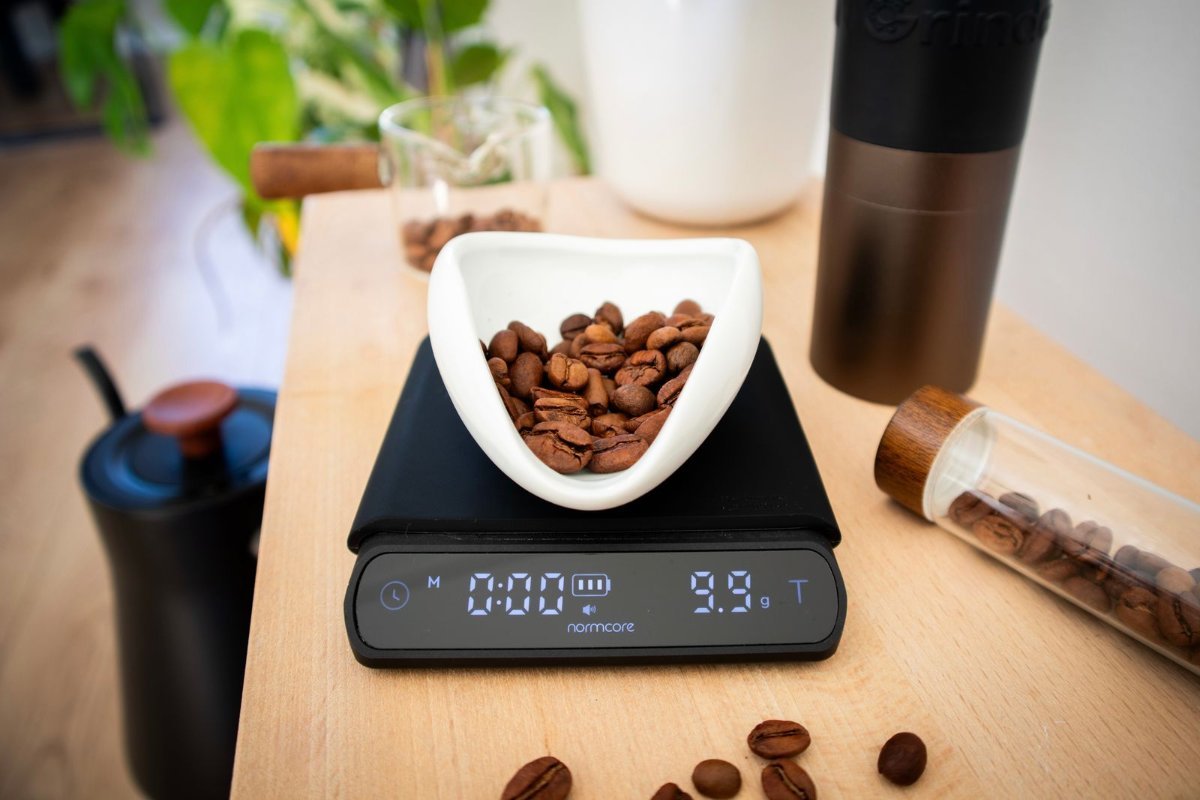
One of the easiest mistakes when troubleshooting coffee is changing everything at once. Imagine a sour pour-over. You make the grind finer, increase the water temperature, pour more slowly, use more coffee, and extend the brewing time. The next cup tastes better, but you have no idea which change made the difference. Instead, keep your recipe as consistent as possible and change one variable. A simple troubleshooting routine looks like this:
- Brew your normal recipe.
- Identify the main problem: sour, bitter, weak, dry, or simply unbalanced.
- Choose one likely cause.
- Make a small adjustment.
- Brew again.
- Compare the two cups.
- Keep the change if it helped, or return to the previous setting.
This approach may feel slower, but it makes it much easier to understand your own coffee setup. Also check the basics in common coffee brewing mistakes, and remember that water quality can play a part too.
Keep Simple Notes
You don’t need a complicated coffee journal. A small note with the following information is enough:
- Coffee used
- Amount of coffee
- Amount of water
- Grind setting
- Brewing time
- Water temperature, if known
- What the cup tasted like
After a few brews, patterns become easier to spot.
FAQ: Bitter and Sour Coffee
Why does my coffee taste sour?
Sour coffee is often associated with under-extraction, especially when the cup is also thin or weak. Try a slightly finer grind, longer contact time, or a small adjustment to your brewing ratio.
Does bitter coffee always mean I over-extracted it?
No. Over-extraction is a common explanation, but roast level and coffee freshness matter too. A dark roast can have pronounced bitter or roasted flavors even when the brewing process is reasonable.
Should I grind finer if my coffee is sour?
Often, yes, if the sourness appears to come from under-extraction. Make a small change rather than moving dramatically finer, then compare the next cup.
Should I grind coarser if my coffee is bitter?
It can help when the bitterness is caused by over-extraction. However, if the coffee is naturally very dark roasted or stale, changing the grind may not completely solve the problem.
Can old coffee taste bitter?
It can taste harsh, flat, or unpleasant as it loses freshness. Bitterness is not proof that coffee is stale, but freshness is worth checking when a previously enjoyable coffee suddenly tastes different.
Why does my espresso taste sour while my French press tastes fine?
Different brewing methods extract coffee differently. Espresso is particularly sensitive to grind size and flow rate, so a problem with one method does not necessarily mean there is anything wrong with the coffee itself.
Final Thoughts
Bitter and sour coffee are useful clues rather than reasons to throw away a bag of beans. Start by considering extraction, but remember that roast level, freshness, ratio, water, and brewing method can all affect the final cup. Make one small change at a time, taste the result, and keep the adjustment that moves the coffee closer to what you enjoy.
