
When people try to improve their coffee at home, they usually look at the beans, grinder, or brewing method first. Water is easy to overlook, even though it makes up most of the drink. In this guide, we’ll look at how tap and filtered water can affect coffee, what to pay attention to, and when changing your water is actually worth it.
Why Water Matters When You Brew Coffee
Coffee grounds release hundreds of different compounds during brewing, and water is what carries those compounds into your cup. That means the characteristics of your water can influence how the finished coffee tastes.
You do not need to become a water expert to notice a difference. Sometimes something as simple as switching from strongly chlorinated tap water to a good-tasting filtered water can make the same coffee taste noticeably cleaner.
Your water has its own characteristics
Tap water is not simply “water.” It contains minerals and other substances that vary depending on where you live and how the local water is treated. Some of the things that can vary include:
- Mineral content
- Hardness
- Alkalinity
- Chlorine or other treatment-related compounds
- Taste and odor
- pH
These characteristics can influence both the flavor of your coffee and, over time, what builds up inside equipment such as kettles and espresso machines.
Coffee can make water differences easier to notice
You may not particularly notice the taste of your tap water when drinking a glass of it. Coffee is different because brewing extracts flavor from the grounds and concentrates the result in your cup. If the water has an unpleasant taste or strong odor on its own, that can sometimes become noticeable in the finished coffee too.
This is one reason a simple test is useful: taste your brewing water by itself before deciding whether it is a likely problem.
Tap Water vs. Filtered Water
There is no universal answer that says filtered water is always better than tap water. Good-quality tap water can make excellent coffee, while some filtered water can still be a poor choice depending on what has been removed and what remains. The important question is not simply whether the water came from a filter. It is whether the water tastes good and is suitable for brewing.
When tap water can work well
If your tap water tastes clean and pleasant, there may be no reason to replace it. Tap water can be a perfectly reasonable choice when:
- It has no noticeable chlorine taste or odor.
- It is safe to drink according to your local water supply.
- It does not leave an unusually strong mineral taste.
- Your coffee already tastes balanced.
- Your equipment does not accumulate excessive scale.
If you like the coffee you are making, there is no need to change something simply because another brewer recommends filtered water.
When filtered water may help
Filtered water can be useful when your tap water has a noticeable taste or when mineral content is causing problems with your equipment. Depending on the type of filter, filtration may reduce certain substances that affect taste or hardness. The result can be water that tastes more neutral and allows the flavor of the coffee to come through more clearly.
A basic household filter may be enough to make a noticeable difference, especially if the main issue is the taste of your tap water.
What about bottled water?
Bottled water can also be used for coffee, but “bottled” does not automatically mean “better.” Different bottled waters have different mineral profiles. Two brands can produce noticeably different results when brewed with the same coffee.
If you use bottled water, check the label when mineral information is available rather than choosing purely based on the fact that it is bottled.
How Water Hardness and Minerals Affect Coffee
This is where coffee-water discussions can become unnecessarily complicated. You do not need to memorize a list of chemical terms to make better coffee, but understanding the basics can help explain why different waters behave differently.
What is hard water?
Hard water generally contains higher levels of minerals such as calcium and magnesium. These minerals are not automatically bad for coffee. In fact, minerals in water play a role in how coffee compounds are extracted during brewing. The problem is that very mineral-rich water can create other issues, particularly when it comes to equipment.
What is soft water?
Soft water contains fewer dissolved minerals. Very soft or highly purified water is not necessarily ideal either. Depending on its composition, it may produce coffee that tastes less balanced or different from what you expect. This is why simply choosing the water with the lowest possible mineral content is not necessarily the answer.
Why balance matters
For everyday home brewing, the goal is not to find completely “empty” water. You want water that tastes clean and works well with your brewing method and coffee. A practical approach is to start with water you enjoy drinking and compare it with a filtered option.
You may be surprised by how little change you need to make.
How to Choose Water for Better Coffee
If you are not sure whether your water is affecting your coffee, there is no need to immediately buy specialized brewing water or complicated testing equipment. Start with a simple comparison.
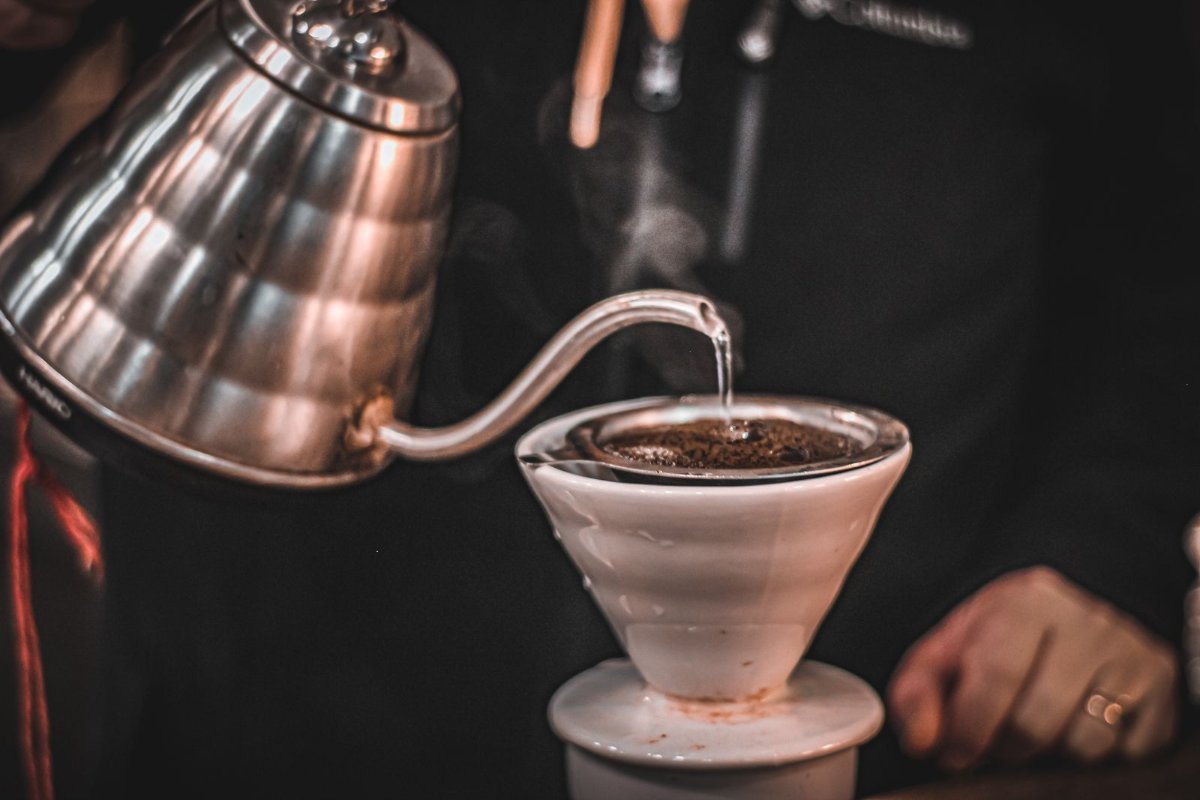
Step 1: Taste your tap water
Pour a glass of cold tap water and taste it. Pay attention to whether you notice:
- Chlorine
- Metallic flavors
- Strong mineral notes
- Unusual odors
- A generally clean and neutral taste
If the water tastes unpleasant by itself, it is reasonable to test another option for coffee.
Step 2: Try a basic filtered water
Use water from a household filtration system or a filter designed to improve drinking water. Brew the same coffee using the same recipe. Try to keep everything else consistent.
Step 3: Compare the cups
Taste the two coffees side by side if possible. Look for differences in:
- Aroma
- Bitterness
- Acidity
- Sweetness
- Clarity
- Aftertaste
- Overall balance
You do not need specialized vocabulary. If one cup simply tastes cleaner or more pleasant to you, that is useful information.
Step 4: Keep the option that works
If filtered water produces better coffee and is convenient for you, use it. If your tap water already produces coffee you enjoy, there is no obligation to change it. Coffee should improve because the change helps your cup, not because it sounds more sophisticated.
Common Water Mistakes Coffee Beginners Make
Water problems are not always obvious, and some common habits can make things worse. (For mistakes beyond water, see our guide to common coffee brewing mistakes.)
Using water that already tastes bad
This is probably the simplest mistake. If you would not enjoy drinking the water by itself, there is a good chance you will notice some of those characteristics in your coffee.
Assuming every filter produces the same result
Water filters are designed for different purposes. Some are primarily intended to improve taste, while others are designed to reduce specific contaminants or minerals. Read the manufacturer’s information instead of assuming that every filter creates identical water.
Using completely purified water without considering the result
Distilled or highly purified water has very little mineral content. That does not automatically make it the best choice for brewing coffee. Water composition affects extraction, so extremely low-mineral water can behave differently from ordinary drinking water.
Ignoring your coffee equipment
Water can affect equipment as well as flavor. If your machine or kettle develops visible mineral deposits quickly, your water may be relatively hard. Regular cleaning and following the manufacturer’s instructions can help prevent those deposits from becoming a larger problem. Our guide on cleaning your coffee maker and grinder is a good place to start.
Changing water and coffee at the same time
If you want to find out whether your water matters, keep the coffee and recipe the same. Changing the beans, grinder, water, and brewing method simultaneously makes it almost impossible to know which change caused the difference.
A Simple Water Test You Can Do at Home
You can turn the question of “Does water matter?” into a very easy experiment.
The two-cup comparison
Prepare two cups using exactly the same:
- Coffee beans
- Grind size
- Coffee dose
- Water temperature
- Brewing method
- Brewing time
The only difference should be the water. For example:
- Cup A: your usual tap water
- Cup B: filtered water
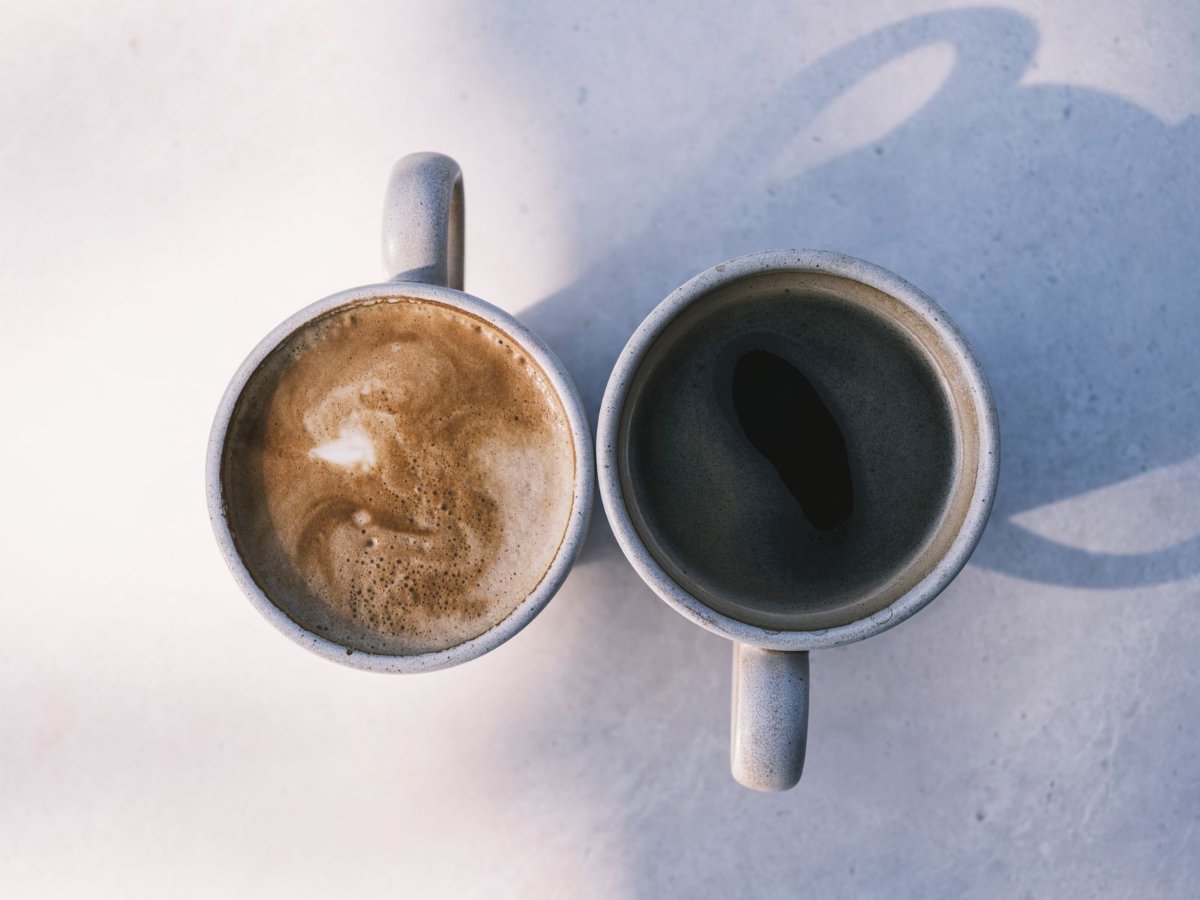
Taste them while they are still warm, then again as they cool. Coffee can reveal different characteristics as its temperature changes, so the second tasting can sometimes be useful.
If the difference is obvious, you have your answer. If you cannot tell them apart, that is useful too. There is no need to spend extra money on water if it does not improve the coffee you drink.
FAQ
Is tap water bad for coffee?
Not necessarily. Good-tasting, safe tap water can make very good coffee, so there is no reason to avoid it automatically.
Is filtered water better for making coffee?
It can be, especially if your tap water has a noticeable taste, odor, or high mineral content. But the best choice depends on the water available where you live and your personal taste.
Can bottled water make better coffee?
It can, but bottled water varies considerably in mineral content. If you are comparing bottled waters, look at the mineral information on the label rather than assuming one is automatically better.
Should I use distilled water for coffee?
Distilled water contains very few dissolved minerals and is not usually the simplest choice for everyday coffee brewing. Water with an appropriate mineral balance generally makes more practical sense for home brewing.
How do I know if my water is too hard for coffee?
One clue is frequent mineral buildup or scale on kettles and coffee equipment. Your local water supplier may also provide information about water hardness.
Does changing water really make a noticeable difference?
It can, particularly when your existing water has a strong taste or very different mineral characteristics. The easiest way to find out is to brew the same coffee with two different waters and compare them.
Final Thoughts
Water does matter for coffee, but you do not need to turn it into a complicated science project. Start with water that tastes good on its own, compare tap and filtered water if you are curious, and pay attention to what actually changes in your cup. If filtered water makes your coffee taste better, use it; if your tap water already works well, there is nothing wrong with keeping things simple.
Related reading: see also how water temperature affects brewing.
