Buying a good bag of coffee is only part of the job. How you store those beans at home can make a noticeable difference in how long they keep their aroma and flavor. Coffee is sensitive to air, moisture, heat, and light, so leaving an opened bag on the kitchen counter isn’t always the best approach.
The good news is that you don’t need complicated equipment to store coffee properly. A few simple habits can help slow down the loss of freshness and make your beans taste better for longer.
What Makes Coffee Beans Lose Freshness?
Coffee beans don’t suddenly become “bad” after a certain number of days; instead, they gradually lose some of the aromas and flavors that make freshly roasted coffee enjoyable. Once coffee is roasted, chemical changes keep happening, and exposure to the surrounding environment can speed up the loss of freshness, particularly once the beans meet oxygen.
Four things are especially important when storing coffee:
- Air
- Moisture
- Heat
- Light
Why oxygen matters
Oxygen is one of the main enemies of coffee freshness. When roasted coffee is exposed to air, oxidation gradually changes the compounds responsible for its aroma and flavor, and the longer the beans are exposed, the more noticeable the loss can become. That’s one reason a bag that’s opened repeatedly can change over time, even when the beans stay in the same place.
Why moisture matters
Coffee beans should be kept dry, because moisture can affect the beans and may also introduce unwanted odors or spoilage problems. Coffee can absorb smells from its surroundings, too, so storing it somewhere dry and away from strongly scented foods is a good habit.
Heat and light
High temperatures and direct sunlight can also work against freshness. A sunny kitchen counter next to a stove might seem like a convenient spot for your coffee, but it exposes the beans to more heat and light than necessary. A cool, dark cupboard is usually a much better option.
The Best Way to Store Coffee Beans at Home
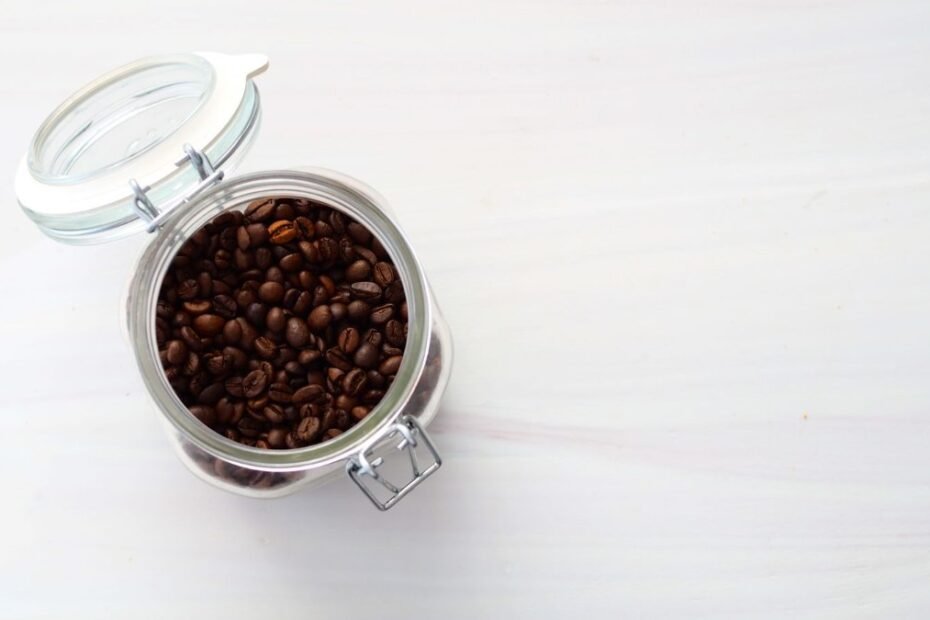
For most people, the simplest storage solution is an airtight container kept in a cool, dry, dark place. You don’t necessarily need a specialized coffee container; what matters most is that it protects the beans from unnecessary exposure to air, moisture, heat, and light.
Choose an airtight container
A good storage container should:
- Close securely
- Limit exposure to air
- Be clean and completely dry
- Protect the coffee from strong odors
- Ideally block light
Opaque or dark-colored containers can be particularly useful because they prevent light from reaching the beans. If you use a transparent container, keeping it inside a dark cupboard can provide an extra layer of protection.
Keep the container away from heat
Avoid storing coffee directly next to:
- The oven
- The stove
- A toaster
- A sunny window
- Other warm appliances
A cupboard away from heat sources is generally a better location. The refrigerator can sound like an obvious solution because it’s cold, but it isn’t usually the best everyday storage place for coffee beans.
Should You Keep Coffee in the Original Bag?
Sometimes, yes. Coffee bags are often designed with storage in mind, and many specialty bags have a one-way valve that allows gases released by freshly roasted coffee to escape while limiting the entry of outside air. If your coffee comes in a well-sealed, resealable bag, you can keep the beans in that packaging.
If you keep the original bag
After opening:
- Push out as much excess air as practical.
- Seal the bag tightly.
- Keep it in a cool, dark cupboard.
- Avoid opening it unnecessarily.
- Use the beans regularly rather than leaving an opened bag for months.
You can also place the sealed coffee bag inside an airtight container if you want additional protection from light and odors.
When a separate container makes sense
A separate airtight container can be useful when:
- The original packaging doesn’t reseal well.
- The bag is damaged.
- You buy coffee in larger quantities.
- You want easier access to the beans.
- You need additional protection from light and kitchen odors.
What matters isn’t the appearance or price of the container; the goal is simply to create a stable environment for your coffee.
Should Coffee Beans Be Stored in the Refrigerator or Freezer?
This is one of the most common coffee-storage questions, and the answer depends on how quickly you plan to use the beans.
The refrigerator
For everyday coffee storage, the refrigerator generally isn’t necessary. Opening and closing the container in a cold environment can introduce moisture and temperature changes, and coffee can also absorb odors from other foods if it isn’t properly sealed. For most households, a cool cupboard is simpler.
The freezer
Freezing coffee is more useful when you need to store beans for a longer period. If you buy several bags of coffee or have beans that you won’t use for a while, freezing can be a practical option when done carefully, as long as you protect the beans from moisture and air.
How to freeze coffee beans
If you decide to freeze coffee:
- Divide the beans into portions that you expect to use at one time.
- Place each portion in a well-sealed, airtight package or container.
- Remove as much air as practical.
- Keep the portions frozen until you’re ready to use them.
- Allow a sealed portion to come to room temperature before opening it.
That last step helps reduce the chance of condensation forming on the cold beans. For everyday coffee that you’ll finish relatively quickly, though, you may find that simply storing the beans in an airtight container in a cool cupboard is easier.
Should You Store Coffee Beans Whole or Ground?
If you have a grinder, keeping your coffee whole bean until you’re ready to brew is generally preferable. Grinding dramatically increases the surface area exposed to air, which means ground coffee can lose its aromatic qualities more quickly than whole beans.
Whole beans
Advantages include:
- Better preservation of aroma before brewing
- More control over grind size
- Ability to adjust the grind for different brewing methods
For example, you might use a different grind for a V60 than you would for a French press.
Pre-ground coffee
Pre-ground coffee isn’t automatically bad; it’s simply more exposed to the environment. If you don’t own a grinder, you can still get good results by:
- Buying smaller quantities
- Keeping the package tightly sealed
- Storing it away from heat and light
- Choosing coffee with packaging designed to protect freshness
The most important thing is to use the coffee while it still tastes good to you rather than worrying about reaching a perfect storage deadline.
How Long Do Coffee Beans Stay Fresh?
There isn’t one exact number of days that applies to every coffee, since freshness depends on factors such as:
- Roast date
- Packaging
- How often the bag is opened
- Storage conditions
- Amount of coffee remaining
- Type of coffee
- Your personal taste
Look for the roast date
When possible, check the package for a roast date rather than relying only on a best-before date. The roast date tells you when the coffee was produced, while a best-before date is primarily a shelf-life indicator.
Very freshly roasted coffee also benefits from a few days’ rest before brewing; typical resting times are covered in how to tell if coffee beans are fresh.
Buy the amount you can use
One of the simplest ways to keep coffee tasting fresh is to avoid buying far more than you can reasonably use. If you drink coffee every morning, smaller bags may make more sense than buying a very large bag simply because the price per gram is lower. A little planning can prevent good coffee from sitting open in the cupboard for months.
Common Coffee Storage Mistakes
Even when people know that coffee should be kept away from air and heat, a few common habits can still shorten its useful freshness.
Leaving the bag open
An open coffee bag allows much more air to reach the beans, so after taking out your coffee, close the package securely rather than leaving it folded loosely on the counter.
Storing coffee above the stove
The area above the stove can become surprisingly warm, and repeated exposure to heat isn’t ideal for coffee. If possible, choose a cooler cupboard.
Using a damp container
Always make sure your storage container is completely dry before adding coffee; even a small amount of moisture isn’t something you want in there.
Buying too much at once
A large bag may seem economical, but it isn’t necessarily a good deal if the beans sit open for a long time, so consider how much coffee you actually drink before deciding how much to buy.
Storing coffee next to strong smells
Coffee can pick up aromas from its surroundings, so avoid placing your beans next to foods or ingredients with particularly strong smells, such as spices, onions, or strongly scented products.
FAQ
Should coffee beans be stored in an airtight container?
Yes. An airtight container can help limit exposure to oxygen, moisture, and odors. Keep it somewhere cool and dark for everyday storage.
Is it better to keep coffee beans in the bag or a container?
Either can work. If the original bag is well sealed and designed to protect the coffee, you can keep the beans there; otherwise, an airtight container is a useful alternative.
Can I keep coffee beans in the refrigerator?
You can, but it’s generally unnecessary for everyday storage. A cool, dry, dark cupboard is usually simpler and avoids potential exposure to moisture and food odors.
Can I freeze coffee beans?
Yes. Freezing can be useful for longer-term storage, especially when coffee is divided into airtight portions. Protect the beans carefully from moisture and air, and avoid repeatedly thawing and refreezing the same portion.
Is whole-bean coffee fresher than ground coffee?
Whole beans generally preserve their aroma better because grinding exposes much more surface area to air. If possible, grind only the amount you need shortly before brewing.
Does coffee expire?
Coffee gradually loses freshness rather than suddenly becoming unusable on one specific day. Proper storage can slow that process, but the best guide is often how the coffee smells and tastes when brewed.
Final Thoughts
Keeping coffee fresh doesn’t require a complicated setup. Store your beans away from air, moisture, heat, light, and strong odors, and buy an amount you can reasonably use. For everyday storage, an airtight container in a cool, dark cupboard is a simple place to start. Once you make that habit, you’ll give your coffee a better chance of tasting the way it was meant to.
Related reading: How to Tell If Coffee Beans Are Fresh
