For millions of people around the world, coffee is part of the daily routine. For some, it’s the first drink of the morning; for others, it’s something to enjoy slowly during a break, after a meal, or while catching up with friends. But what exactly is coffee?
The drink in your cup starts with a fruit that grows on a coffee plant. Inside that fruit are seeds, commonly called coffee beans, and they go through several stages before they become the roasted coffee we grind and brew at home. From the plant to the final cup, each stage can influence the aroma, flavor, and character of the coffee.
If you’re just beginning to learn about coffee, understanding this journey can make it much easier to choose beans, understand roast levels, and find a brewing method that suits your taste. So, let’s start with the basics.
What Exactly Is Coffee?
Coffee is a beverage made by extracting flavor from roasted and ground seeds of coffee plants using water.
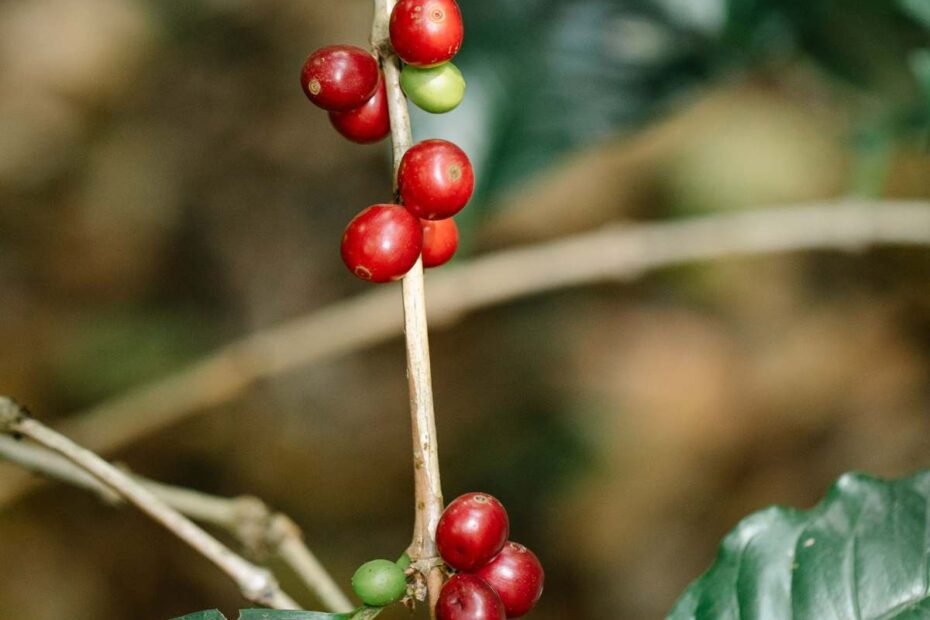
Although we commonly call them coffee beans, they’re technically seeds found inside the fruit of the coffee plant, which is often called a coffee cherry because of its appearance when ripe. Most coffee cherries contain two seeds.
After the cherries are harvested, the seeds are separated from the fruit, processed, dried, sorted, and eventually roasted. Only after roasting do the green coffee seeds develop the familiar brown color, aroma, and flavors associated with the coffee we drink. That entire process helps explain why two coffees can taste completely different even though they both come from the same type of plant.
Where Does Coffee Come From?
Coffee grows in many tropical regions around the world, and the main areas are often described as the Coffee Belt, a region around the equator where conditions can be suitable for growing coffee plants. It’s produced in countries throughout Central and South America, Africa, and Asia, and Brazil, Colombia, Ethiopia, Vietnam, Indonesia, and several other countries are well known for coffee production.
However, knowing the country of origin is only the beginning. Altitude, climate, soil, coffee variety, farming practices, processing methods, and roasting can all influence the final characteristics of a coffee, which means two coffees from the same country can still have very different flavors. For how coffee spread from Ethiopia and Yemen to the rest of the world, see our short history of coffee.
From Coffee Cherry to Coffee Bean
Before coffee reaches your kitchen, the seeds inside the coffee fruit have to be prepared for roasting. There are several ways to process coffee cherries, and the method used can influence the characteristics of the finished beans.
Washed Coffee
In washed processing, most of the fruit surrounding the seeds is removed before the coffee is dried, and this method is often associated with coffees that have a cleaner and more defined flavor profile.
Natural Coffee
With natural processing, coffee cherries are dried with much of the fruit still surrounding the seeds, and the fruit is removed after the drying stage. Natural coffees can sometimes have noticeable fruity or sweet characteristics, although the final flavor depends on many other factors as well.
Honey Processing
Honey processing falls somewhere between washed and natural processing: part of the fruit layer is removed, while some of the sticky material surrounding the seed remains during drying. Different producers use different approaches, so honey-processed coffees can vary considerably from one coffee to another.
Arabica vs. Robusta
Two names you’ll often encounter when buying coffee are Arabica and Robusta. They refer to different types of coffee plants, and their beans can have different characteristics.
Arabica
Arabica coffees are often appreciated for their wide range of aromas and flavors. Depending on the variety, growing conditions, processing, and roasting, Arabica coffee can have characteristics reminiscent of fruit, flowers, chocolate, nuts, or spices.
Robusta
Robusta is generally associated with a stronger and more pronounced flavor. It’s commonly used in espresso blends and is valued for its body and ability to contribute to the crema found on espresso. Neither type automatically means better coffee, since the right choice depends on the characteristics you enjoy and how you plan to prepare your coffee.
What Is Coffee Roasting?
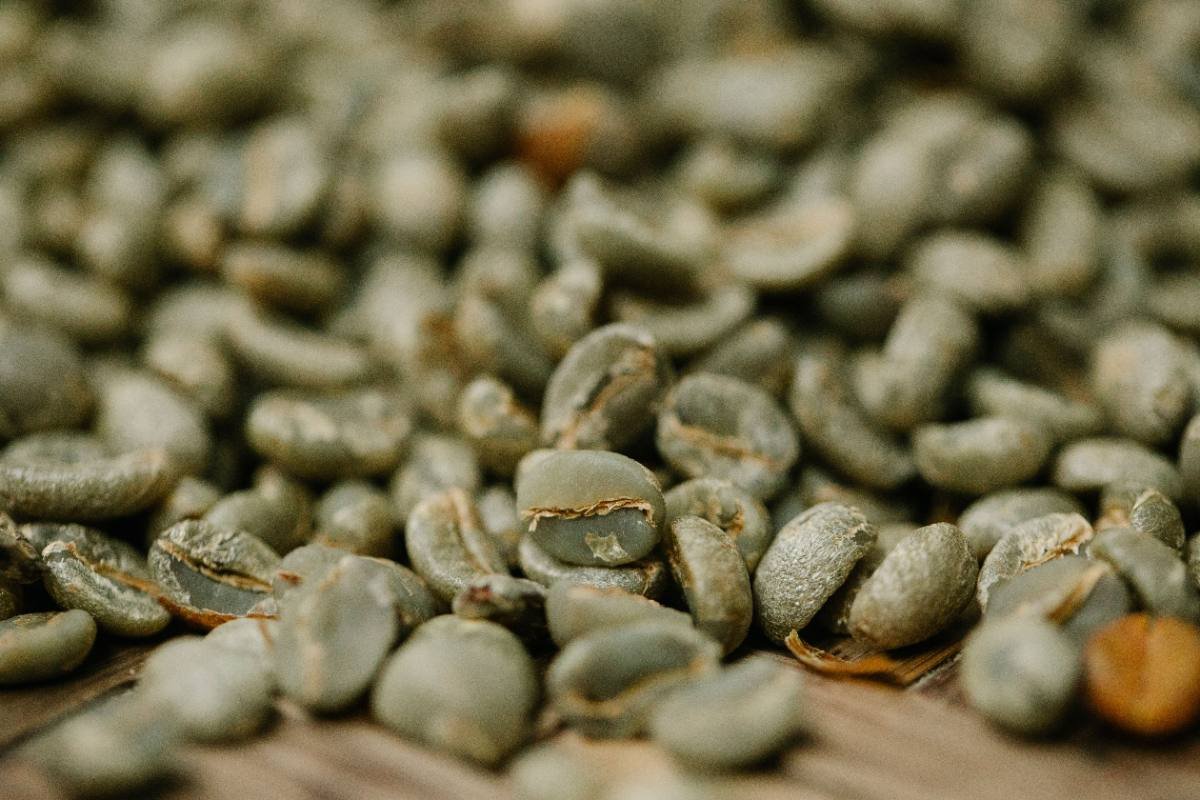
Green coffee beans look and taste very different from the roasted beans found in a typical coffee bag. Roasting applies heat to the green beans and causes physical and chemical changes that develop the color, aromas, and flavors we associate with roasted coffee.
Coffee is commonly described according to its roast level:
- Light roast
- Medium roast
- Dark roast
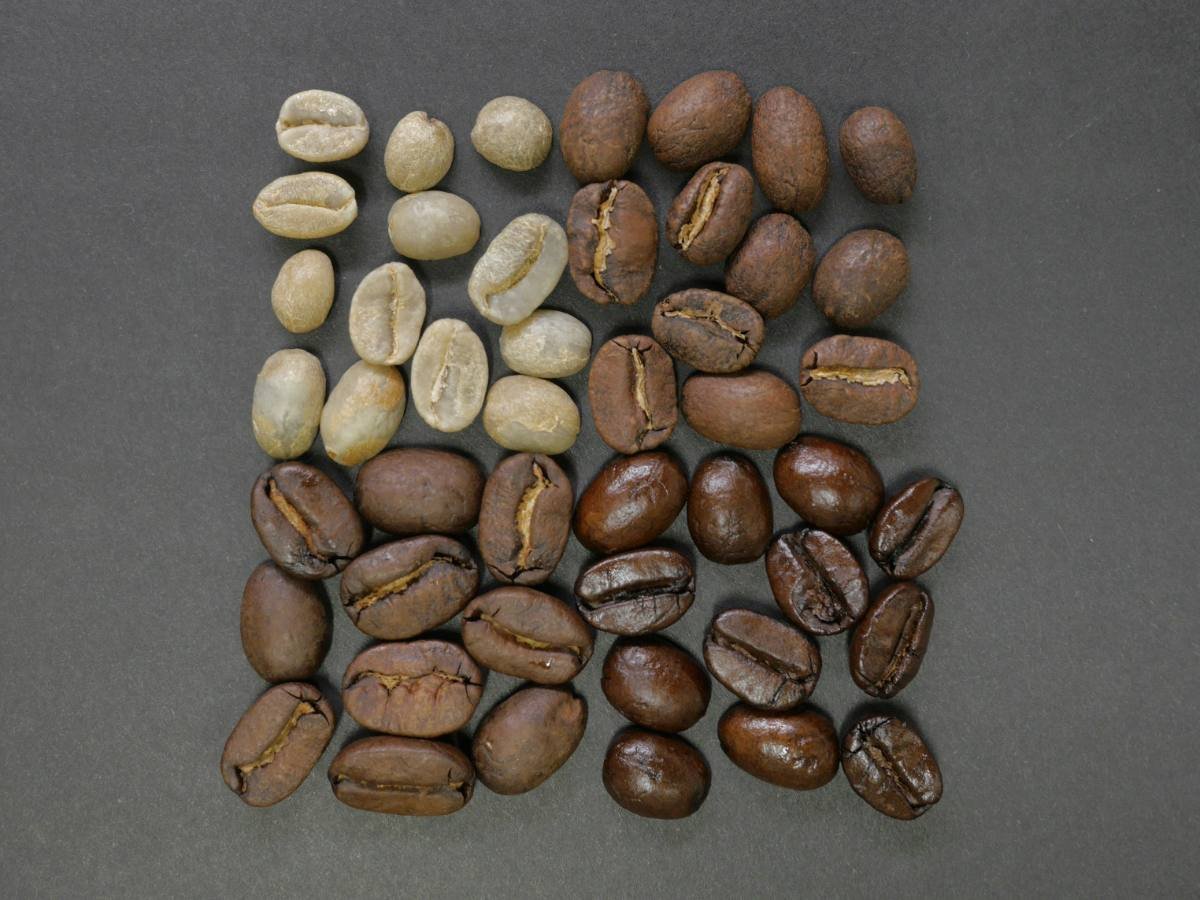
These descriptions are useful, but roast terminology isn’t perfectly standardized between every roaster.
Light Roast
Lightly roasted coffee often retains more characteristics associated with the bean’s origin, and depending on the coffee, you may notice brighter acidity and fruit or floral characteristics.
Medium Roast
Medium roasts can offer a balance between characteristics from the coffee itself and flavors developed during roasting, which makes them a popular choice for people who enjoy a balanced cup.
Dark Roast
Dark roasting produces darker-colored beans and stronger roasted characteristics. Depending on the coffee and roasting process, you may notice flavors associated with chocolate, toast, caramelized sugars, or other roasted notes. Roast level is only one factor, though, and two dark roasts can still taste very different from one another.
How Does Coffee Go From Bean to Cup?
The journey from the coffee plant to your morning cup can be simplified into several stages:
Coffee plant → coffee cherry → processing → drying → green coffee → roasting → grinding → brewing → coffee
Each stage can influence the final result. For example, two coffees may have a similar roast level but taste completely different because they came from different varieties, growing regions, or processing methods. The brewing stage introduces even more variables: grind size, water, brewing time, temperature, and the amount of coffee used can all affect what ends up in your cup.
Why Does Coffee Taste Different?
If you’ve ever opened two bags of coffee and wondered why they tasted nothing alike, there are several possible reasons.
Origin
Where the coffee was grown can influence its characteristics.
Coffee Variety
Different varieties can have different growing characteristics and flavor potential.
Processing
The way the coffee fruit is processed can influence the flavors that develop.
Roasting
Roasting changes the physical and chemical characteristics of the beans and develops many of the aromas associated with coffee.
Grinding
The size of the coffee particles affects how quickly water can extract compounds from the grounds.
Water
Water makes up most of the finished drink, so its characteristics can influence the taste.
Brewing Method
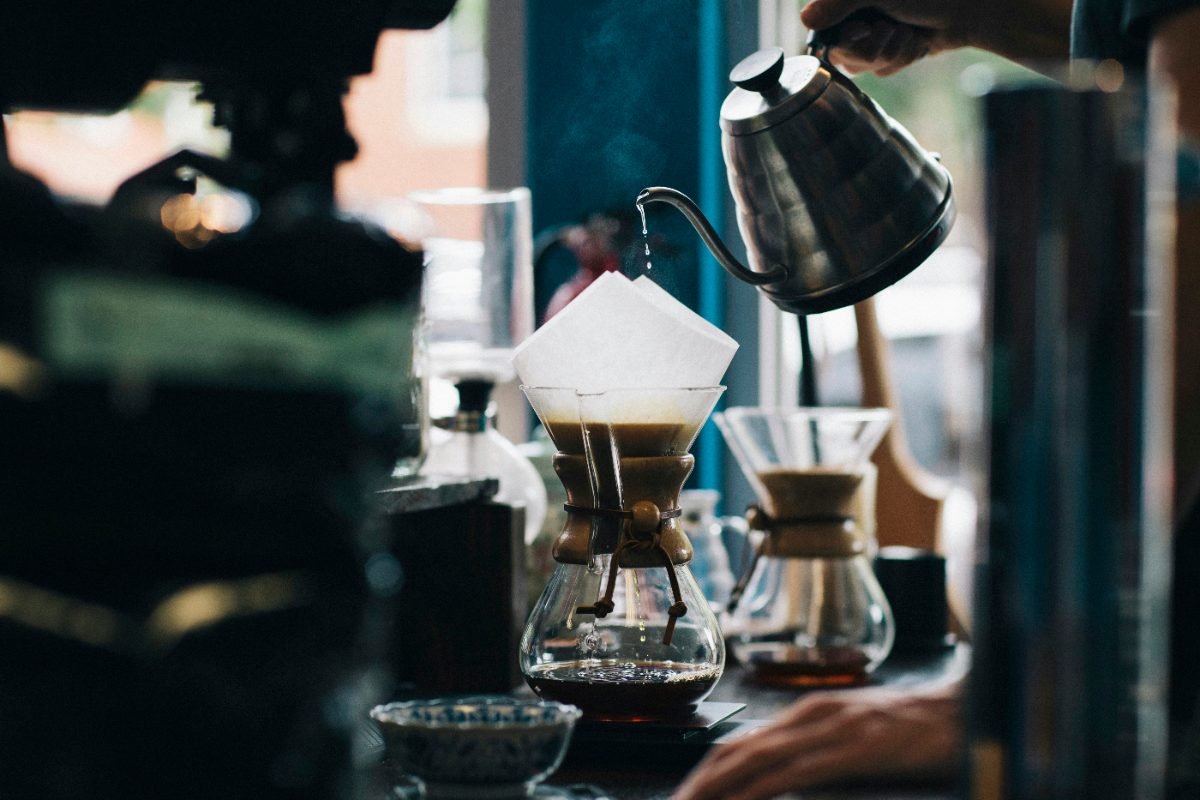
A French press, pour-over, moka pot, espresso machine, and cold brew setup all extract coffee differently, and that’s why there’s no single formula that produces exactly the same cup for everyone.
What Are the Most Common Types of Coffee?
The word “coffee” can describe the beans themselves or a prepared beverage, and some familiar coffee drinks include:
Espresso
A concentrated coffee beverage prepared by forcing water through finely ground coffee under pressure.
Americano
An espresso-based drink made by adding hot water.
Latte
An espresso-based drink combined with steamed milk and usually a layer of milk foam.
Cappuccino
A traditional espresso-based drink made with espresso, steamed milk, and milk foam. Learn how to make a classic cappuccino at home.
Cold Brew
Coffee brewed with cool or room-temperature water over a much longer period than traditional hot brewing. If you want a faster cold drink, try this simple iced coffee recipe.
Preparation methods and recipes can vary, so the same drink may look and taste somewhat different depending on where it is prepared.
Does Bitter Coffee Mean It Is Stronger?
Not necessarily: bitterness and strength are often confused, especially by people who are new to coffee. A bitter taste can be influenced by the coffee itself, the roast, and the way the coffee was prepared.
Brewing conditions can affect how much is extracted from the grounds, and if too much is extracted, the resulting cup may taste harsh or unpleasant. Instead of assuming that darker or stronger coffee will solve the problem, it can be useful to look at variables such as grind size, brewing time, water temperature, and the coffee-to-water ratio. Small changes can make a surprisingly noticeable difference.
How Should a Beginner Start Exploring Coffee?
You don’t need expensive equipment or a large collection of beans to start learning about coffee. A simple approach is to change one variable at a time. For example, you could try:
- A light roast.
- A medium roast.
- Coffee from a different origin.
- Whole beans instead of pre-ground coffee.
- A different brewing method.
Pay attention to what you actually enjoy. You might prefer coffee with chocolate and nutty characteristics, while another person might enjoy brighter coffees with fruity or floral notes. Someone else may simply want a smooth cup that works well with milk.
There’s no single correct way to enjoy coffee, so the goal is to discover what works for you.
Frequently Asked Questions
Is coffee made from beans?
Coffee is made from the roasted seeds of the coffee plant. They are commonly called coffee beans, although they are technically seeds found inside coffee fruit.
Where does coffee grow?
Many tropical regions around the world grow coffee, including countries in Central and South America, Africa, and Asia.
What is the difference between Arabica and Robusta?
Arabica and Robusta are different types of coffee plants. They can differ in flavor, growing characteristics, composition, and common uses. Read our full comparison of Arabica vs. Robusta.
Does dark roast coffee have more caffeine?
Roast level alone does not determine how much caffeine ends up in your cup. The amount can also depend on the coffee, how it is measured, and the brewing method.
What coffee should a beginner try?
There is no single coffee that every beginner should choose. A medium roast can be an approachable starting point, but personal taste is ultimately what matters most.
Is freshly ground coffee better?
Freshly ground coffee can preserve more of the aromas and flavors that gradually change after grinding. However, the quality and freshness of the beans themselves are also important.
Final Thoughts
Far more than a drink poured into a mug, coffee is the result of a long journey that begins with a coffee plant and ends with the way you choose to brew it. Origin, variety, processing, roasting, grinding, water, and brewing technique can all contribute to the final cup.
You don’t need to become a coffee expert overnight. Start with a coffee you enjoy, pay attention to what you taste, and try something different from time to time. The more you explore, the easier it becomes to understand what you like.
And perhaps that’s one of the most enjoyable things about coffee: there’s always another cup to discover.
