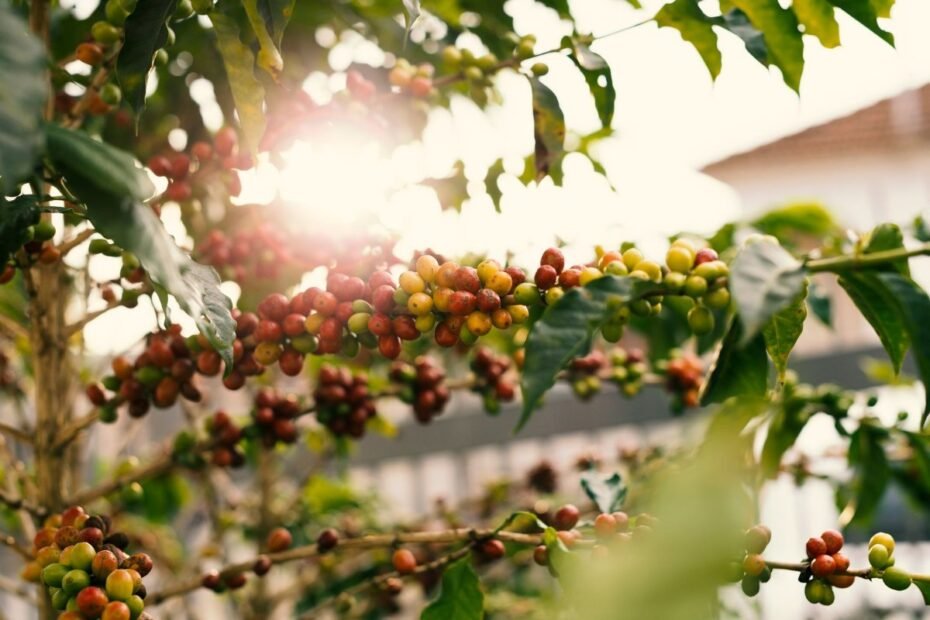
Coffee starts with a fruit, not a bag of roasted beans. The coffee plant grows in tropical regions around the world, but the flavor in your cup can change dramatically depending on where those plants are grown, the varieties farmers cultivate, and what happens to the coffee after harvest. In this guide, we’ll look at the main coffee-growing regions, the countries behind some of the world’s most recognizable coffees, and why origin matters when you’re choosing beans.
Where Coffee Grows Around the World
Most of the world’s coffee is grown in countries around the Coffee Belt, a broad region around the equator where temperatures, rainfall, and growing conditions can suit coffee plants. It generally stretches between the Tropics of Cancer and Capricorn, although coffee isn’t grown equally everywhere within that zone. Altitude, soil, rainfall, sunlight, and temperature all affect whether a particular area is suitable for coffee.
The world’s major coffee-producing regions are commonly divided into three broad areas:
- Central and South America
- Africa
- Asia and the Pacific
Each region contains many countries, growing areas, varieties, and farming traditions. Even within one country, coffees from different regions can taste very different.
Why coffee needs particular growing conditions
Coffee plants generally prefer relatively stable temperatures and don’t do well with extreme heat or frost. Many high-quality Arabica coffees are grown at higher elevations, where cooler temperatures can slow the development of the coffee cherries.
Robusta, or Coffea canephora, is generally more tolerant of warmer conditions and is often grown at lower elevations. That difference helps explain why different coffee species and varieties are associated with different parts of the coffee-growing world. The environment doesn’t determine flavor by itself, but it is one important piece of the picture.
Central and South America: Major Coffee-Producing Regions
Central and South America are responsible for a large share of the coffee produced around the world. Brazil and Colombia are especially important, while countries such as Guatemala, Costa Rica, Honduras, Peru, and Mexico also produce coffee for both domestic and international markets.
Brazil
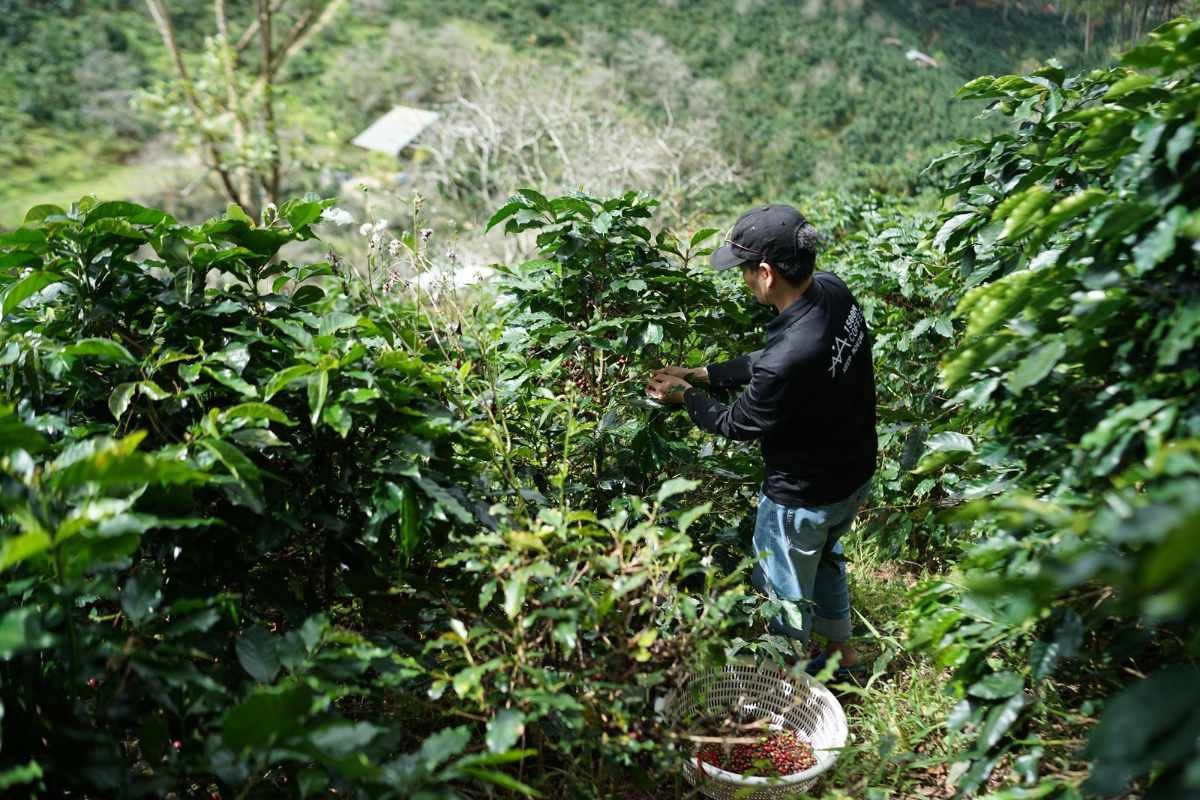
Brazil is the world’s largest coffee producer and grows both Arabica and Robusta, which is called Conilon in much of the country. Its enormous size means there isn’t one single “Brazilian coffee flavor.” Coffee is grown across different states and environments, including areas such as Minas Gerais, São Paulo, Espírito Santo, and Bahia.
Brazilian coffees are often associated with flavors such as chocolate, nuts, caramel, and dried fruit, although the actual cup can vary considerably depending on the region, variety, processing method, and roast. The country’s coffees are also widely used in espresso blends because their body and sweetness can work well alongside other coffees.
Colombia
Colombia is another major coffee-producing country, particularly known for its Arabica production. Much of its coffee is grown in mountainous areas, where farms can be found at a range of elevations. The country’s geography creates many different growing environments rather than one uniform coffee profile.
Colombian coffees are often described with notes such as caramel, nuts, chocolate, citrus, or red fruit, but those descriptions depend heavily on the particular coffee. If you see a bag labeled with a specific Colombian region, that information can be more useful than simply knowing that the coffee came from Colombia.
Central America
Countries such as Guatemala, Costa Rica, Honduras, El Salvador, and Nicaragua are also important coffee producers. Guatemala is known for coffees grown in regions with different elevations and volcanic landscapes. Depending on the origin, you might encounter coffees with chocolate, spice, citrus, or fruit-like characteristics.
Costa Rican coffee has a strong reputation for quality and is often associated with clean, bright cups. Honduras is also a major producer, with a wide range of coffees that can show chocolate, caramel, fruit, and other flavors. The important point is that Central America isn’t one flavor category. Each country contains multiple growing regions, and processing can make an even bigger difference.
Africa: Ethiopia, Kenya, and Beyond
Africa is especially important to coffee because Ethiopia is widely recognized as the birthplace of Arabica coffee. The continent is also home to major coffee-producing countries including Kenya, Uganda, Rwanda, Burundi, and Tanzania. African coffees can be particularly interesting if you enjoy brighter, fruitier flavors.
Ethiopia
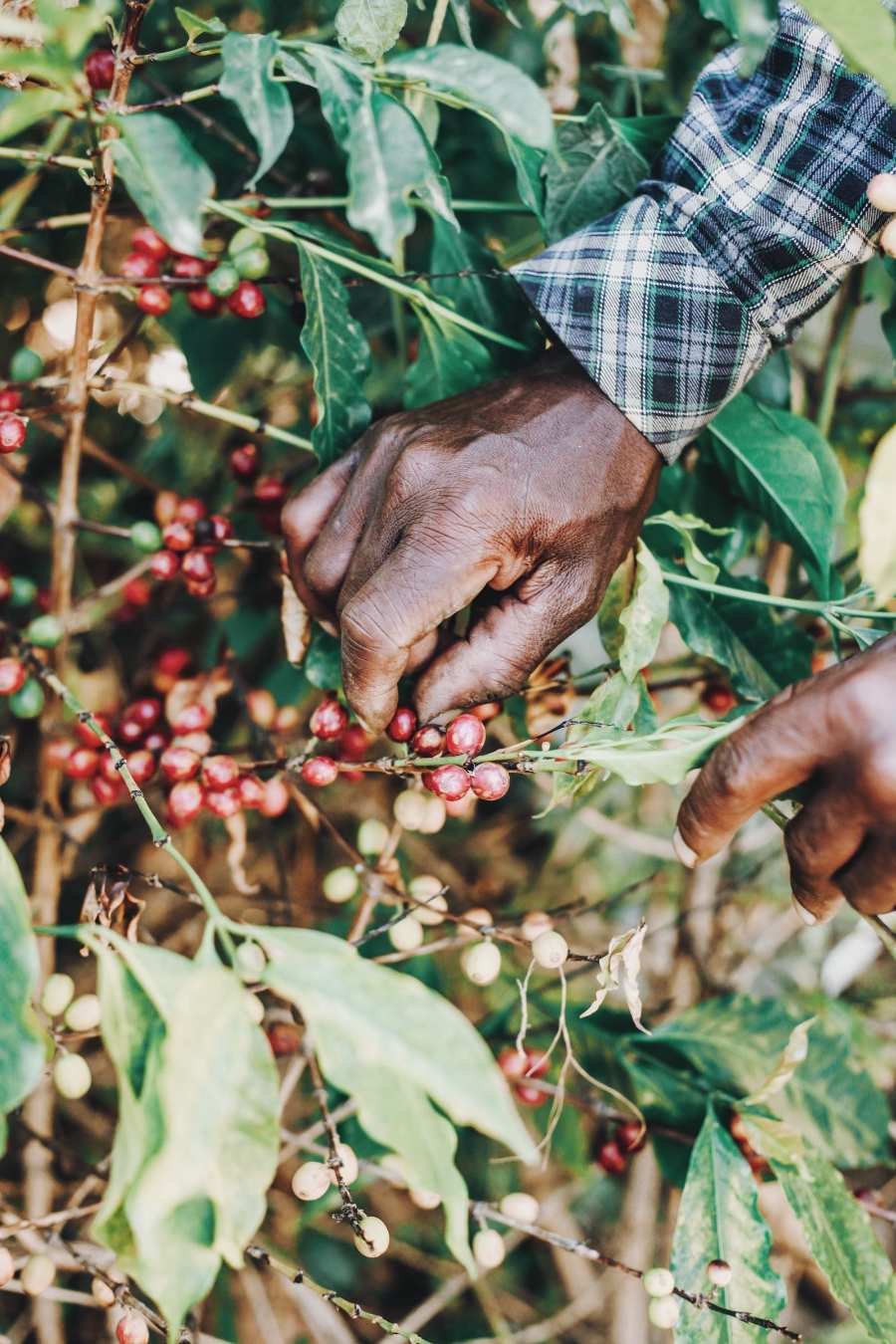
Ethiopia has an enormous diversity of coffee varieties and growing areas. Coffees from different parts of the country can taste dramatically different, which is one reason Ethiopian coffee is so interesting to explore. Depending on the coffee and processing method, Ethiopian beans can show flavors described as floral, citrusy, berry-like, stone-fruit, or tea-like.
You’ll often see names such as Yirgacheffe or Sidama on bags of Ethiopian coffee. These names can refer to recognized coffee-producing areas, giving you more information than simply “Ethiopia.”
Kenya
Kenyan coffee is often known for its bright acidity and distinctive fruit character. You may encounter descriptions involving berries, citrus, currants, or other fruit. Some coffees can have a particularly juicy quality that makes them stand out from heavier, chocolate-focused profiles.
Kenyan coffee is also a good example of why origin alone isn’t enough to predict flavor. Variety, altitude, processing, roasting, and brewing all influence what eventually ends up in your cup.
Uganda and other African origins
Uganda is an important producer of both Arabica and Robusta coffee. Other African countries, including Rwanda, Burundi, and Tanzania, also produce coffees that are increasingly familiar to specialty coffee drinkers. Rwanda and Burundi, for example, can produce bright, fruit-forward coffees, while Tanzanian coffees may show a broad range of flavor profiles depending on their origin and processing.
If you’re exploring African coffees for the first time, don’t assume they’ll all taste alike. Try coffees from different countries and processing methods side by side if you have the opportunity.
Asia and the Pacific: From Indonesia to Vietnam
Asia has some of the world’s most important coffee-producing countries, including Vietnam, Indonesia, India, and Papua New Guinea. The region is particularly interesting because it includes major producers of both Arabica and Robusta.
Vietnam
Vietnam is one of the world’s largest coffee producers and is especially important for Robusta. Vietnamese coffee culture is also distinctive. Strong coffee served with sweetened condensed milk is a familiar combination, and it’s often brewed using a small metal phin filter. Vietnamese Robusta can have a strong, full-bodied character that works particularly well in traditional milk-based preparations.
Indonesia
Indonesia produces coffee across a large number of islands, including Sumatra, Java, Sulawesi, and Bali. Indonesian coffees are often associated with heavier body and earthy, herbal, spicy, or chocolate-like flavors, although individual coffees can be much more varied than those broad descriptions suggest.
Indonesia is also known for particular post-harvest practices, including the wet-hulling process, locally known as Giling Basah. This method contributes to some of the characteristics associated with coffees from the region.
India and Papua New Guinea
India produces both Arabica and Robusta, with coffee farms concentrated in southern parts of the country. Indian coffees can show chocolate, spice, nutty, and other flavors depending on the coffee and processing.
Papua New Guinea also produces Arabica coffee, much of it grown in mountainous areas. Coffees from the country can have fruit, floral, chocolate, or earthy characteristics, making them another interesting origin to explore.
Why Does Coffee From Different Countries Taste Different?
It would be easy to say that “Brazil tastes like chocolate” or “Ethiopia tastes like fruit,” but coffee isn’t quite that simple. Origin is one factor among several that shape the final cup. The main factors include:
- Altitude: Higher elevations can create cooler growing conditions and influence how coffee cherries develop.
- Climate: Temperature, rainfall, sunlight, and seasonal patterns affect plant growth.
- Soil: The physical and chemical characteristics of the growing environment influence the plant.
- Coffee variety: Different varieties can have different characteristics and levels of potential quality.
- Processing: Washed, natural, honey, and other processing methods affect the flavors that develop after harvest.
- Roasting: The same green coffee can taste very different after a light, medium, or dark roast.
- Brewing: Grind size, water temperature, ratio, and brewing method all change the final cup.
This is why two coffees from the same country can taste completely different. A washed Ethiopian coffee roasted lightly might taste floral and citrusy, while a naturally processed Ethiopian coffee could show much stronger berry-like characteristics. The country is the starting point, not the complete explanation.
What does “single origin” mean?
When a coffee is labeled single origin, it generally means the coffee comes from a defined geographic origin rather than being a blend of coffees from different origins. The exact meaning can vary. A single-origin coffee could represent a country, region, cooperative, estate, or even a specific farm or lot.
If you’re curious about where your coffee comes from, look beyond the country name. A bag that identifies the region, producer, variety, altitude, and processing method gives you a much clearer picture of what you’re buying.
How to Explore Coffee by Origin
You don’t need to become an expert on coffee-producing countries to enjoy exploring different origins. In fact, tasting two coffees side by side can teach you more than memorizing a list of countries. Start with coffees that have clearly stated origins and compare them using the same brewing method. Keep the recipe as consistent as possible so that the coffee itself is the main thing changing.
A simple way to compare coffees
Try this approach:
- Choose two coffees from different origins.
- Use the same brewing method for both.
- Keep the coffee-to-water ratio the same.
- Grind both coffees appropriately for the method.
- Taste them while they’re hot and again as they cool.
- Write down what you notice.
You don’t need to identify exact flavors. Saying “this one tastes brighter” or “this one feels heavier and more chocolate-like” is already useful. Over time, you’ll start noticing which origins, processing methods, and roast levels you prefer.
Frequently Asked Questions
What country produces the most coffee?
Brazil is the world’s largest coffee-producing country. It produces both Arabica and Robusta and grows coffee across several major producing regions.
Where did coffee originally come from?
Coffee’s natural origins are associated with Ethiopia, where Arabica coffee (Coffea arabica) is native. From there, coffee cultivation and trade spread to other parts of the world; our short history of coffee follows that journey in detail.
What is the Coffee Belt?
The Coffee Belt is the broad tropical region around the equator where many of the world’s coffee-producing countries are located. It includes major growing areas in Central and South America, Africa, and Asia.
Does coffee from one country always taste the same?
No. Coffees from the same country can taste very different depending on region, elevation, variety, processing method, roast level, and brewing.
Which country makes the strongest coffee?
“Strong” can mean different things, such as a more intense flavor, more body, or more caffeine. Country of origin alone doesn’t determine strength, so it’s better to look at the coffee species, roast, brewing method, and recipe.
How can I find out where my coffee came from?
Check the coffee bag or product description for information such as country, region, farm or cooperative, variety, altitude, and processing method. Specialty coffees often provide much more origin information than simply the country name.
Final Thoughts
Coffee comes from a surprisingly small band of the planet, but the range of coffees grown within that region is enormous. From Brazilian farms to Ethiopian highlands, Colombian mountains, Indonesian islands, and Vietnamese coffee fields, each origin brings its own combination of growing conditions, varieties, farming practices, and traditions. The next time you buy a bag of coffee, take a moment to read where it came from—you might find that the origin is the beginning of a much more interesting cup.
Related reading: A Short History of Coffee
