
When choosing coffee beans, one of the first labels you may come across is “single-origin” or “blend.” The difference is fairly simple: single-origin coffee comes from a defined origin, while a blend combines coffees from more than one origin. But that label alone does not tell you which coffee will taste better. Understanding how the two approaches differ can make it much easier to choose beans that suit your brewing method and your own taste.
What Does Single-Origin Coffee Mean?
Single-origin coffee is coffee associated with a particular geographic origin. Depending on how the coffee is labeled, that origin might refer to a country, region, farm, estate, or another defined area. The important point is that the coffee is being presented as coming from a particular source rather than being intentionally combined with coffees from multiple origins. This can make single-origin coffee interesting for people who want to explore how growing conditions, processing, and other factors influence flavor. (For the bigger picture, see where coffee comes from.)
Why origin matters
Coffee plants are influenced by their growing environment, including factors such as:
- Climate
- Elevation
- Soil
- Rainfall
- Coffee variety
- Harvest conditions
- Processing method
These factors can contribute to differences in flavor and aroma. That does not mean every coffee from the same country or region will taste the same. A geographic label is useful context, but it is only one part of the story.
What can single-origin coffee taste like?
Single-origin coffees can have a wide range of flavor profiles. Depending on the coffee, you may encounter notes described as:
- Chocolate
- Caramel
- Nuts
- Citrus
- Berries
- Stone fruit
- Floral
- Spices
- Brown sugar
These descriptions are generally used to communicate similarities in aroma and flavor rather than ingredients that have been added to the coffee. One single-origin coffee can taste dramatically different from another, even when both come from the same country.
What Is a Coffee Blend?
A coffee blend combines beans from two or more origins. Roasters may combine coffees for several reasons, including creating a particular flavor profile or producing a more consistent style from one batch to another. Blends are not simply “mixed coffee”: creating a good blend involves deciding which coffees complement each other and how their characteristics work together.
Why do roasters create blends?
To create a particular flavor profile. One coffee might contribute sweetness, another acidity, and another body or a particular aroma. Combining them can create a cup that is different from what any of the coffees would produce on their own.
To create consistency. Coffee is an agricultural product, so the characteristics of individual harvests can change. A blend can give a roaster more flexibility when one coffee changes or becomes unavailable. The goal can be to maintain a familiar overall style rather than making every batch taste dramatically different.
To suit a particular brewing style. Some blends are created with espresso or milk-based drinks in mind, with a combination of coffees designed to produce a particular balance of body, sweetness, acidity, or intensity when brewed as espresso. This does not mean blends are only for espresso, though. They can be used with pour-over, French press, drip coffee, and other brewing methods.
Single-Origin vs. Blends: What’s the Difference?
The simplest distinction is the number and definition of the origins involved, but there are several other differences worth considering.
| Feature | Single-origin | Blend |
|---|---|---|
| Coffee sources | One defined origin | Two or more origins |
| Flavor focus | Often highlights characteristics of an origin | Designed around a combined flavor profile |
| Consistency | Can vary between harvests | Can be formulated for a more consistent profile |
| Exploration | Useful for comparing origins | Useful for exploring balanced combinations |
| Espresso use | Can work very well | Often used for espresso, but not exclusively |
| Flavor profile | Can be distinctive or varied | Can be balanced and layered |
These are general tendencies rather than strict rules. A single-origin coffee can be very consistent, and a blend can be highly distinctive.
How Flavor Can Differ Between Single-Origin and Blended Coffee
There is no universal flavor profile for either category. Still, the way each is constructed can influence how the coffee is experienced.
Single-origin: a clearer sense of place
Single-origin coffee can be interesting when you want to focus on the characteristics of a particular coffee. For example, two single-origin coffees prepared using the same brewing method may show noticeably different levels of acidity, sweetness, body, or aroma. This makes single-origin coffee particularly useful for people who enjoy comparing coffees, and it can turn an ordinary cup into a small tasting exercise without requiring complicated equipment.
Blends: combining different characteristics
A blend can be built around balance. Imagine one coffee with a bright, fruity character and another with a heavier body and chocolate-like notes. Combining them can create a cup that sits somewhere between those characteristics. The final result depends on the coffees used and how they are combined, so there is no single “blend flavor.”

Neither category automatically tastes better
This is one of the most important points for beginners. Single-origin does not automatically mean higher quality, and blend does not automatically mean lower quality. A carefully prepared blend can be excellent, while a particular single-origin coffee may simply not match your taste. The label tells you something about how the coffee was sourced. It does not tell you whether you will personally enjoy the cup.
Which Should You Choose?
The easiest way to choose is to start with what you want from your coffee rather than deciding that one category is automatically superior.
Choose single-origin if you want to:
- Explore different origins.
- Compare flavor differences between coffees.
- Pay closer attention to processing and growing conditions.
- Try coffees with distinctive flavor characteristics.
- Learn how different coffees change with brewing.
Single-origin can be especially interesting if you enjoy experimenting with pour-over or other brewing methods where subtle differences are easier to notice.
Choose a blend if you want to:
- Find a familiar and balanced flavor profile.
- Have coffee that works well across different preparations.
- Make espresso or milk-based drinks.
- Prefer consistency from one purchase to the next.
- Enjoy a combination of different coffee characteristics.
A blend can also be a convenient everyday option when you want a dependable cup without thinking too much about the details of origin.
What if you enjoy both?
There is no reason to choose only one. Many coffee drinkers can enjoy a blend as their everyday coffee and keep a single-origin coffee around when they want something different. The two categories serve different purposes, but they can easily coexist in the same home coffee routine.
How to Compare Coffees at Home
You do not need professional tasting equipment to understand which style you prefer. A simple side-by-side comparison can reveal quite a lot.
Use the same brewing method
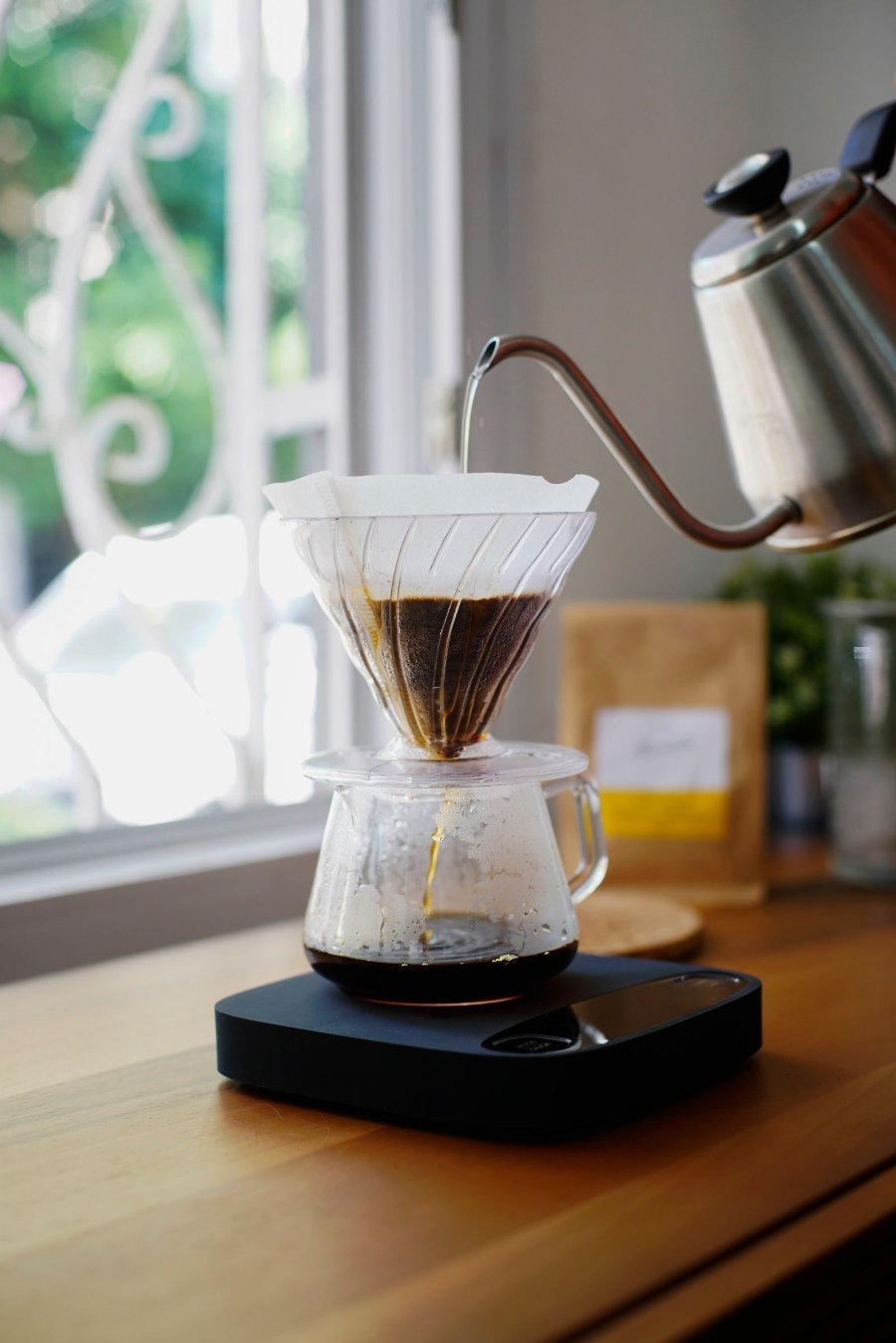
Prepare both coffees using the same brewing method whenever possible. For example:
- Choose a single-origin coffee and a blend.
- Use the same brewing equipment for both.
- Keep the coffee-to-water ratio similar.
- Use similar water temperature and brewing time.
- Taste them one after the other.
Keeping the preparation similar makes the differences between the coffees easier to notice.
Pay attention to a few basic characteristics
Instead of trying to identify every possible flavor note, focus on a few simple questions:
- Does one taste sweeter?
- Does one have more acidity?
- Does one feel heavier or lighter?
- Is one more aromatic?
- Does one taste more balanced to you?
- Which one would you happily drink again?
There are no wrong answers when describing personal taste.
Try them with your usual preparation
A coffee can behave differently depending on how it is brewed. If most of your coffee is prepared in a French press, compare the coffees that way. If espresso is your everyday method, use espresso. The best comparison is usually the one that reflects how you actually drink coffee.
What Else Should You Look at Besides Origin?
The single-origin or blend label is useful, but it should not be the only thing you consider.
Roast level. Roast level can have a noticeable effect on the flavor and aroma of coffee. Two coffees with completely different origins can sometimes have more similarities than expected if they are roasted in a similar way. (See how coffee roasting works.)
Processing method. The way coffee cherries are processed after harvest can also influence the final cup. Common processing styles include washed, natural, and honey, which we explain in how coffee is processed. These methods can contribute different characteristics to the coffee, although processing is only one part of the final flavor.
Coffee variety. The variety of the coffee plant can also matter. Different varieties can have different characteristics, but variety should be considered alongside growing conditions, processing, roasting, and brewing rather than as an isolated predictor of flavor. For the two main species, see Arabica vs. Robusta.
Freshness and brewing. Even an interesting coffee can disappoint if it is poorly stored, ground inconsistently, or brewed in a way that does not suit it. Our guide on storing coffee beans can help. When comparing coffees, try to keep the basic brewing variables under control; otherwise, you may end up comparing brewing differences rather than the coffees themselves. If you are curious about higher-end beans, read what specialty coffee is.
Common Myths About Single-Origin and Blends
Coffee labels can sometimes create assumptions that are more complicated than the reality.
“Single-origin always means better coffee.”
Not necessarily. Single-origin describes the coffee’s sourcing, not an automatic quality score. Quality depends on many factors throughout production and preparation.
“Blends are made from leftover or lower-quality beans.”
A blend can be intentionally designed using coffees selected for specific characteristics. Blending is a way of constructing a flavor profile, not simply a way to use unwanted coffee.
“Single-origin coffee should always taste fruity.”
No. Single-origin coffees can have chocolatey, nutty, caramel-like, floral, spicy, fruity, or many other characteristics.
“Blends are only for espresso.”
Not at all. Blends can be brewed using pour-over, French press, drip coffee, and other methods. The best choice depends on the coffee and the flavor you want.
FAQ
Is single-origin coffee better than a blend?
Not automatically. Single-origin and blends are different approaches to sourcing and combining coffee, and personal taste plays a large role in which one you enjoy more.
Are coffee blends lower quality?
No. A blend can be carefully designed to combine complementary characteristics or provide a consistent flavor profile. The word “blend” does not indicate quality by itself.
Why do some people prefer single-origin coffee?
Single-origin coffee can make it easier to explore differences between regions, varieties, processing methods, and growing conditions. It can be especially appealing if you enjoy comparing coffees and noticing subtle changes in flavor.
Are blends better for espresso?
Blends are commonly used for espresso because they can be designed around a particular balance of body, sweetness, acidity, and intensity. However, single-origin coffees can also work very well as espresso.
Can I use single-origin coffee in a French press?
Yes. Single-origin coffee can be brewed with a French press just like other coffee. The brewing method may emphasize different characteristics of the beans, so adjusting the grind and recipe can be useful.
How do I know which one I will like?
The most reliable approach is to try both and compare them using the brewing method you normally use. Pay attention to the flavors and overall balance you enjoy rather than choosing based only on the label.
Final Thoughts
Single-origin and blends are not competing categories where one has to win. Single-origin coffees can be a great way to explore how different coffees express their origins, while blends can offer carefully constructed and familiar flavor profiles. Trying both with the same brewing method is one of the simplest ways to discover which style fits your everyday coffee routine.
