
Walk into a specialty coffee shop or browse a bag of specialty beans online and you may notice words like origin, altitude, variety, processing method, and tasting notes. The prices can also be quite different from those of supermarket coffee. So what actually makes a coffee “specialty,” and does paying more really mean getting a better cup? Let’s break down what the term means, what you are paying for, and how to decide whether specialty coffee is worth it for you.
What Is Specialty Coffee?
“Specialty coffee” is not simply another name for expensive coffee or coffee that comes in attractive packaging. The term generally refers to coffee that meets particular quality standards and is evaluated throughout the production and supply chain. That quality starts long before the beans reach your kitchen.
From farm to cup
Coffee quality can be influenced by many stages, including:
- The coffee variety
- Growing conditions
- Harvesting
- How ripe the coffee cherries are when picked
- Processing after harvest
- Drying and storage
- Roasting
- Grinding
- Brewing
This means specialty coffee is not created by one single step. A carefully grown coffee can lose some of its potential through poor storage or roasting, while a well-roasted coffee can still taste very different depending on how it is brewed. If you want the bigger picture of where beans start, our guide to where coffee comes from covers the growing side, and how coffee roasting works explains what happens in the roaster.
Is specialty coffee a type of bean?
No. Specialty coffee is not one specific species or variety. You can find specialty coffees made from different coffee varieties and grown in many countries. Arabica is particularly common in specialty coffee, but the term describes the quality and evaluation of the coffee rather than simply naming the plant species. (For the basics of the two main species, see Arabica vs. Robusta.)
What makes a coffee “specialty”?
The exact standards and scoring systems used in the coffee industry have evolved over time, and terminology can vary depending on the organization or market involved. The best-known benchmark comes from cupping: trained tasters score coffee on a 100-point scale, and coffee scoring above 80 points has traditionally been called specialty. Green beans are also checked for physical defects, and a specialty-grade sample is expected to have no primary defects (Royal Coffee explains the scoring). The Specialty Coffee Association has since broadened its definition to focus on distinctive attributes and the value they add, so the 80-point line is a common reference rather than the whole story.
For a coffee drinker, the simplest way to think about specialty coffee is this: it is coffee that has been produced and evaluated with a strong emphasis on quality, traceability, and desirable sensory characteristics. That is different from saying that every specialty coffee will taste better to every person. Taste is still personal.
Why Does Specialty Coffee Cost More?
The price difference between ordinary supermarket coffee and specialty coffee can sometimes be surprisingly large. That does not necessarily mean you are simply paying extra for a label.
More information about the coffee
A specialty bag may tell you much more about where the coffee came from. You might see details such as:
- Country
- Region
- Farm or producer
- Coffee variety
- Processing method
- Harvest information
- Roast date
- Tasting notes
That traceability can be valuable because it gives buyers more information about what they are purchasing.
Production can require more care
Coffee production involves many decisions that can affect the final quality. Selective harvesting, careful processing, drying, sorting, storage, and transportation all require time and resources. When a coffee has fewer defects and a more distinct flavor profile, producing and handling it can involve additional work.
Roasting is part of the equation
Specialty coffee roasters often put considerable attention into how a particular coffee is roasted. The goal is not necessarily to make every bean taste the same. Instead, the roast can be developed to complement the characteristics of that particular coffee. This is one reason two coffees roasted by different companies can taste quite different even when they come from the same general region.
There are more costs between producer and cup
The price of coffee also reflects everything that happens after harvesting. Beans may pass through processing, milling, export, import, transportation, roasting, packaging, and retail before reaching your kitchen. So when you pay more for a bag of specialty coffee, the difference is not simply about the coffee inside the bag. You are also paying for the work and infrastructure required to produce, move, roast, and sell it.
What Does Specialty Coffee Taste Like?
There is no single “specialty coffee flavor.” Depending on the coffee, you may encounter flavors described as:
- Chocolate
- Caramel
- Nuts
- Citrus
- Berries
- Stone fruit
- Floral
- Spices
- Brown sugar
- Dried fruit
These descriptions are usually intended to help communicate the sensory character of a coffee. They do not mean that someone has added fruit, chocolate, or flowers to the beans.

Why can coffees taste so different?
Coffee flavor is influenced by several factors.
Origin and growing conditions. Where coffee is grown can influence the characteristics of the beans. Climate, soil, elevation, rainfall, temperature, and other growing conditions all contribute to the environment in which the coffee develops.
Processing method. After coffee cherries are harvested, the seeds have to be separated from the fruit and prepared for drying. Different processing methods can produce noticeably different flavor profiles. You may see terms such as:
- Washed: The fruit is removed before drying, and the coffee is generally associated with cleaner, more defined flavors.
- Natural: The coffee cherries are dried with the fruit still around the seeds before processing is completed.
- Honey: Some of the fruit material remains on the beans during drying.
These descriptions are useful clues, but they are not guarantees of exactly how a coffee will taste.
Roast level. Lighter roasts often preserve more of the distinctive characteristics of the coffee, while darker roasts generally develop deeper roasted flavors. Neither is automatically better. If you enjoy a dark, chocolatey coffee, there is no rule saying you need to prefer a light roast simply because specialty coffee culture often discusses lighter roasting.
Is Specialty Coffee Actually Better?
The short answer is: it can be, but not necessarily for everyone. Specialty coffee often gives you access to more distinct flavors and more information about where the coffee came from. But whether those characteristics are worth paying for depends on what you want from your daily cup.
When the higher price may be worth it
Specialty coffee may be worth trying if you:
- Enjoy exploring different flavors.
- Want to know more about where your coffee comes from.
- Brew coffee at home and enjoy experimenting.
- Prefer fresher roasted coffee.
- Notice differences between beans and brewing methods.
- Enjoy lighter or more distinctive flavor profiles.
For someone who drinks coffee as part of a hobby, the additional cost can be part of the experience.
When it may not be worth it
You may not see much benefit if you:
- Prefer a familiar, traditional coffee flavor.
- Add a lot of milk or sugar.
- Mainly want caffeine and convenience.
- Do not notice much difference between different coffees.
- Are happy with the coffee you already buy.
There is nothing wrong with that. Coffee does not have to become a hobby for it to be good.
How to Try Specialty Coffee Without Spending Too Much
You do not need to replace all your usual coffee immediately. A small experiment is a better way to find out whether you actually enjoy specialty coffee.
Start with one bag
Instead of buying several expensive coffees, choose one bag from a reputable roaster. Look for basic information such as:
- Roast date
- Origin
- Processing method
- Variety, if available
- Recommended brewing methods
- Tasting notes
You do not need to understand every term before buying.
Choose a familiar flavor profile
If you normally enjoy chocolatey, nutty coffee, starting with a coffee described with those characteristics may be easier than choosing something with strong floral or tropical-fruit notes. Likewise, if you already enjoy brighter and more acidic coffees, you may want to explore lighter roasted coffees from different origins.
Compare it with your usual coffee
This is one of the simplest ways to decide whether specialty coffee is worth the money. Brew your regular coffee and the specialty coffee using the same method, keep the recipe reasonably consistent, and compare:
- Aroma
- Acidity
- Sweetness
- Body
- Aftertaste
- Overall flavor
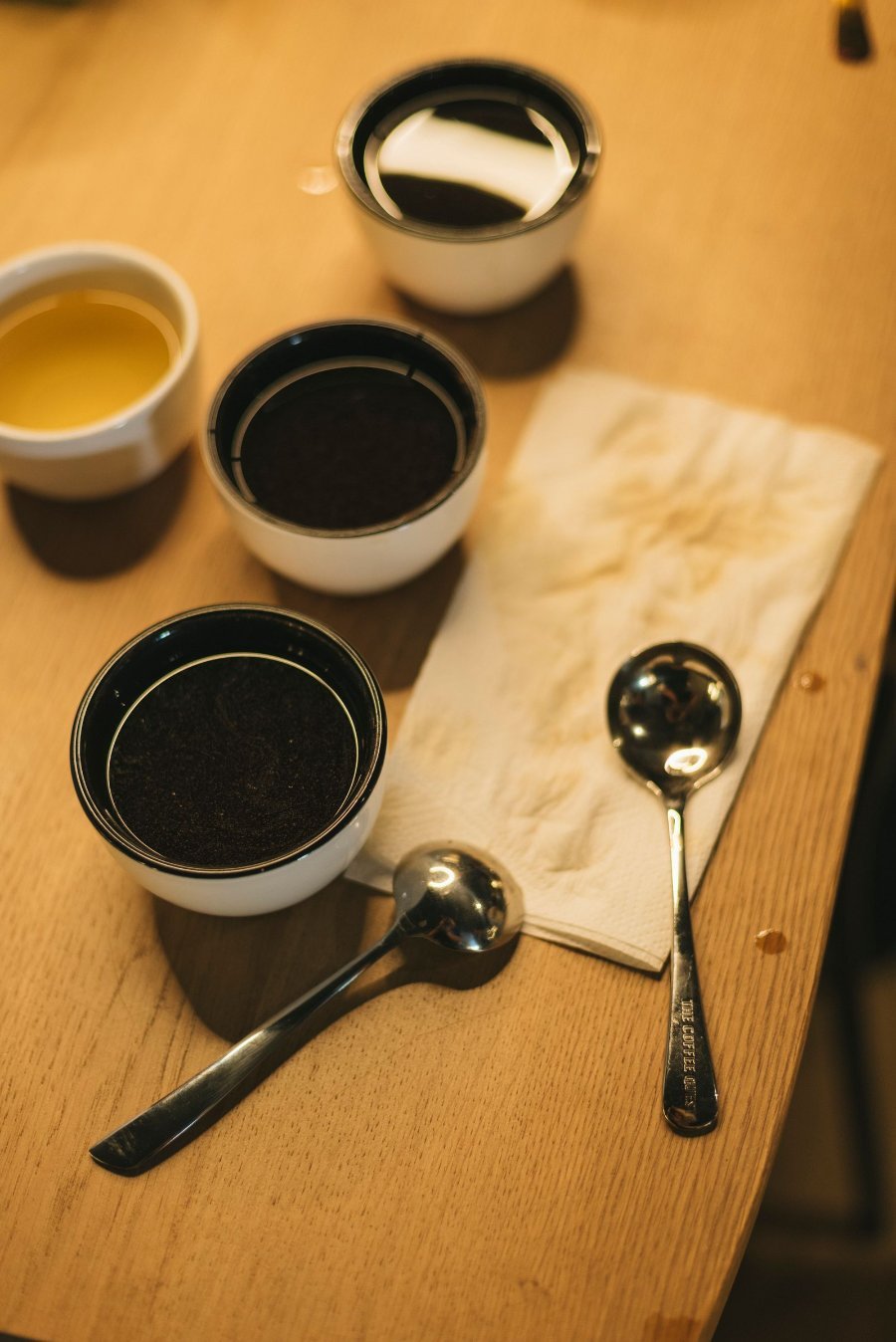
You do not need a professional tasting setup. If you clearly prefer the specialty coffee, you have learned something useful about your own preferences.
Buy smaller quantities when possible
If you are still experimenting, smaller bags can make more sense. There is little benefit in buying a large quantity of a coffee you have never tasted before. Once you find a roaster or style you enjoy, you can decide whether spending more regularly makes sense.
How to Get More From Specialty Coffee at Home
Buying good beans is only part of the equation. Your brewing method can have a large influence on the final cup.
Keep the beans fresh
Pay attention to the roast date and store your coffee properly. Keep whole beans in a cool, dry place away from excessive heat, moisture, and light. An airtight container can be useful once the bag has been opened. More detail is in our guide on how to store coffee beans so they stay fresh longer.
Grind just before brewing
Grinding exposes much more of the coffee to air, so whole beans generally hold their qualities better than ground coffee. A burr grinder also gives you more control over grind size, and choosing a coffee grinder for home use is worth a read if you are shopping for one. Grind size itself matters a lot, as we explain in why coffee grind size matters.
Use consistent measurements
A simple digital scale can make a noticeable difference when you are learning. Measuring your coffee and water allows you to repeat a recipe instead of relying entirely on guesswork. Our coffee-to-water ratio guide is a good place to start.
Don’t blame the beans too quickly
If a specialty coffee tastes disappointing, the coffee itself may not be the only reason. Consider whether:
- The grind is too fine or too coarse.
- The water tastes unpleasant (see does water matter for coffee?).
- The coffee is too old.
- The brewing ratio needs adjustment.
- The water temperature is unsuitable for your method.
- Your brewing technique is inconsistent.
A good coffee can still produce a disappointing cup when the brewing process is not working well.
FAQ
Is specialty coffee healthier than regular coffee?
The term “specialty coffee” describes quality and characteristics rather than making a general health claim. Specialty coffee should not automatically be considered healthier simply because it costs more or has more detailed information on the package.
Why is specialty coffee so expensive?
The price can reflect production, careful harvesting and processing, traceability, transportation, roasting, packaging, and retail costs. The exact reasons vary from coffee to coffee.
Does specialty coffee taste better?
It can taste better to you, but there is no universal answer. Specialty coffees often offer more distinctive flavors, but personal preference matters more than the label.
Is specialty coffee only for people who drink black coffee?
No. You can enjoy specialty coffee with milk or use it in drinks such as lattes and cappuccinos. However, drinking it black can make it easier to notice some of the coffee’s individual characteristics.
How do I know if a coffee is actually specialty?
Look for detailed information about the coffee’s origin, producer, processing, roast date, and other traceability details. Some sellers also list a cupping score; a score above 80 points is the traditional specialty threshold. Be cautious about assuming that the word “specialty” on packaging alone tells you everything about the coffee’s quality.
Is specialty coffee worth paying more for?
It depends on what you value. If you enjoy exploring flavor and care about the details behind your coffee, the extra cost may be worthwhile; if you simply enjoy your usual coffee, there is no need to spend more.
Final Thoughts
Specialty coffee is less about finding the most expensive bag on the shelf and more about exploring what coffee can taste like when quality and traceability receive extra attention. It is worth trying if you are curious, but you do not need to become a coffee enthusiast or spend a fortune to enjoy a good cup. The best coffee for you is ultimately the one you enjoy drinking.
