Making better coffee at home usually isn’t about buying the most expensive equipment. Small details like how much coffee you use, how finely you grind it, or how hot your water is can change the result more than you might expect. The good news is that most brewing problems are easy to diagnose once you know what to look for.
1. Using the Wrong Coffee-to-Water Ratio
One of the easiest mistakes to make is simply using too much or too little coffee. If the ratio is off, changing your grind or brewing time won’t necessarily solve the problem because you’re starting with an unbalanced recipe.
A good starting point for many filter methods is around 1 gram of coffee for every 15–17 grams of water. For example, 20g of coffee with 320g of water gives you a ratio of 1:16. That doesn’t mean you have to follow one number forever. Your preferred strength, coffee roast, and brewing method all matter, so think of the ratio as a starting point rather than a strict rule. (Our full guide to the coffee-to-water ratio goes into more detail.)
Starting ratios differ by method: most pour-over, drip and French press recipes fall between about 1:15 and 1:18, cold brew uses much less water, and espresso is measured by the weight of the finished drink (around 1:2). The coffee-to-water ratio guide has a table for each method. A coffee scale makes this much easier.
Measuring coffee and water by weight gives you a recipe you can repeat instead of guessing with different-sized scoops.
If your coffee tastes too weak, try using slightly more coffee or less water. If it’s too strong, do the opposite—but change one thing at a time so you can tell what actually helped.
2. Grinding the Coffee Too Fine or Too Coarse
Grind size has a huge effect on extraction. Finer grounds expose more surface area to the water, while coarse grounds slow the extraction down.
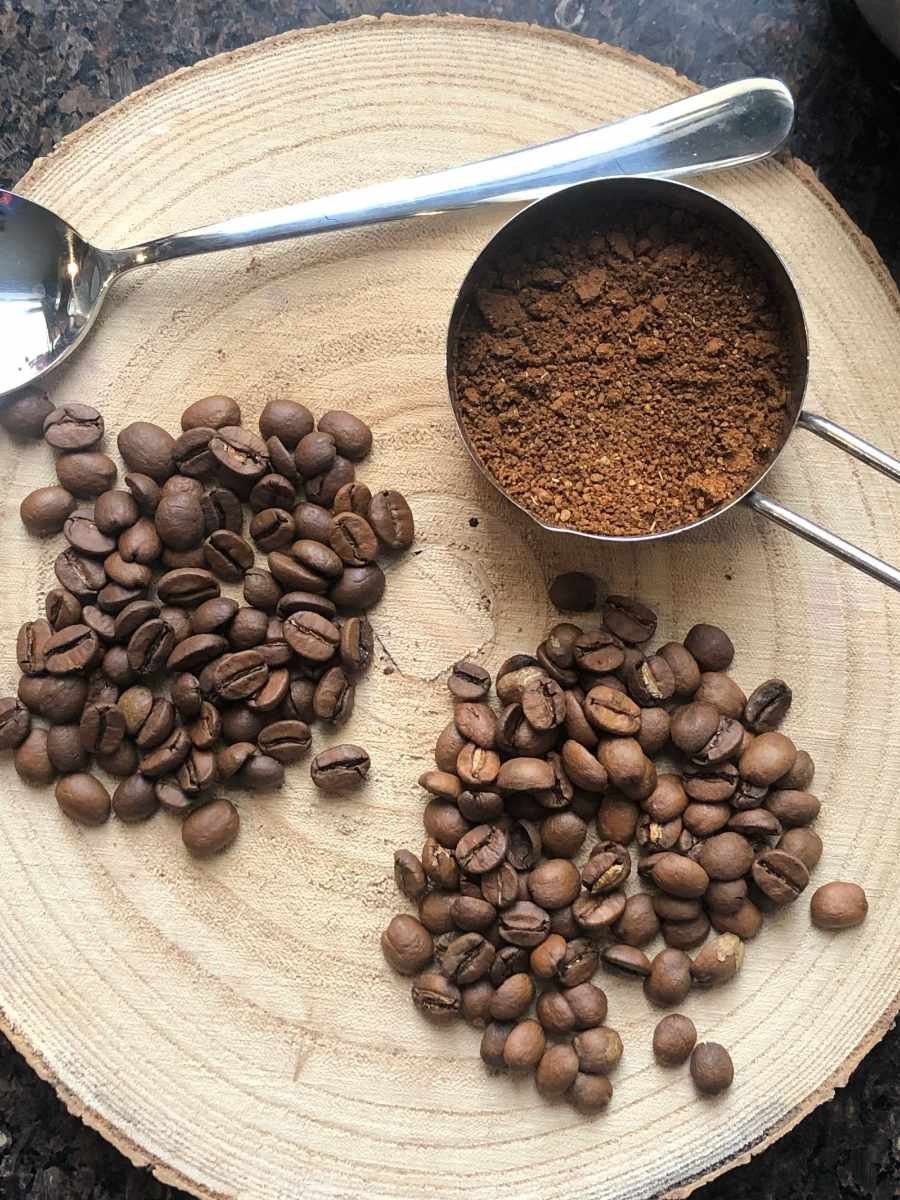
The right grind depends on the brewing method. Using espresso-fine coffee in a French press, for example, can make the cup muddy and difficult to filter. On the other hand, extremely coarse grounds in a quick pour-over may leave the coffee tasting thin and underdeveloped. (More on this in our guide to why grind size matters.)
Use these as starting points
- Espresso: fine
- Moka pot: medium-fine
- Pour-over: medium to medium-fine
- Drip coffee: medium
- French press: coarse
- Cold brew: coarse
If your coffee tastes sour, sharp, or noticeably underdeveloped, the grind may be too coarse for your recipe. Try going a little finer. If it tastes bitter, harsh, or overly dry, the grind may be too fine. A slightly coarser grind can slow down extraction and produce a more balanced cup.
Don’t make a dramatic adjustment every time. Moving the grinder one or two steps and brewing again is usually more useful than completely changing the grind.
3. Using Water That’s Too Hot or Too Cool
Water temperature affects how quickly compounds are extracted from the coffee. Water that’s too cool can make extraction slower, while excessively hot water can make some brewing recipes harder to control.
For many filter brewing methods, around 90–96°C (194–205°F) is a useful starting range. You don’t necessarily need to obsess over one exact temperature, especially when you’re brewing casually at home. If you don’t have a thermometer, bring the water to a boil and let it sit briefly before brewing. The exact waiting time will depend on your kettle, the amount of water, and your environment, so use taste as your guide.
What to do when the cup tastes wrong
If the coffee tastes sharp and thin, check the grind and brewing time before assuming temperature is the problem. If you’re already using a reasonable temperature, changing several variables at once can make troubleshooting much harder.
For darker roasts, some people prefer slightly cooler water because it can produce a softer cup. That’s partly a matter of taste, so don’t be afraid to experiment within a reasonable range.
4. Brewing for the Wrong Amount of Time
Time matters because coffee continues extracting as long as water is in contact with the grounds. But longer doesn’t automatically mean better.
A French press might commonly steep for around 4 minutes, while a pour-over might finish somewhere around 2.5–4 minutes, depending on the recipe and equipment. Espresso is much faster, often around 25–30 seconds for a common starting recipe.
If your coffee tastes weak and sour, the brewing process may be too short. You can try a slightly finer grind or allow more contact time. If the coffee tastes bitter or dry, the process may be extracting too much. A slightly coarser grind or shorter brewing time may help.
The important part is to consider time together with grind size and ratio. Changing only the timer may not solve the underlying problem.
5. Using Old or Poorly Stored Coffee
Even a carefully measured recipe can’t completely compensate for coffee that has lost much of its freshness. Coffee gradually changes after roasting, and ground coffee generally loses freshness faster because much more of it is exposed to air. That’s one reason grinding whole beans shortly before brewing can make a noticeable difference.
You don’t need complicated storage equipment, either. Keep coffee in an airtight container, away from heat, moisture, and strong light. A cool kitchen cupboard is usually more practical than leaving the bag open next to the coffee maker. (Here’s our full guide on how to store coffee beans.)
A simple storage routine
- Keep the coffee container tightly sealed.
- Store it somewhere cool and dry.
- Avoid leaving it beside a stove or other heat source.
- Grind only what you need when possible.
- Buy amounts you can reasonably use while the coffee still tastes good to you.
If a coffee tastes flat despite a recipe that normally works well, freshness is worth checking before you start changing everything else.
6. Using Inconsistent or Poor-Quality Grounds
Your grinder can be just as important as the coffee maker. A grinder that produces a mixture of very fine particles and very large chunks can make extraction less predictable.
Blade grinders are particularly prone to producing an uneven mixture because the coffee is chopped rather than ground between calibrated burrs. You can still make coffee with one, but getting consistent results may take more attention.
A burr grinder generally gives you more control over grind size. That doesn’t mean you need an expensive model to make enjoyable coffee; consistency and a useful range of adjustments are more important than having the fanciest equipment. If you’re having trouble getting repeatable results, look at the grounds themselves. If you see a lot of powder mixed with noticeably large pieces, inconsistent grinding may be part of the problem.
7. Measuring Coffee With a Scoop Every Time
A coffee scoop is convenient, but volume isn’t always consistent. Different beans, roast levels, grind sizes, and how tightly the scoop is filled can all change how much coffee you’re actually using. For example, two scoops that look identical can contain different weights of coffee. That makes it difficult to reproduce a recipe you enjoyed yesterday.
A scale solves this problem. You don’t need a specialized coffee scale to get started; a basic kitchen scale that measures in 1-gram increments is enough for most home brewing. Once you know that your favorite recipe uses 20g of coffee and 320g of water, you can make it the same way again instead of guessing.
8. Changing Too Many Things at Once
This is one of the most frustrating mistakes because it can make troubleshooting almost impossible. Imagine your coffee tastes bitter, so you grind coarser, use less coffee, lower the water temperature, and shorten the brew time all at once. The next cup tastes better—but you have no idea which change fixed the problem.
Instead, change one variable at a time whenever possible.
A simple troubleshooting order
If a familiar recipe suddenly tastes different, check:
- Coffee freshness
- Coffee-to-water ratio
- Grind size
- Water temperature
- Brewing time
- Equipment cleanliness
This gives you a more systematic way to improve the recipe. Once you find a combination you like, write it down so you can repeat it.
9. Forgetting to Clean the Coffee Equipment
Coffee leaves behind oils and residue, especially in equipment that gets used every day. If you only clean the parts you can easily see, old coffee residue can remain inside the brewer or grinder.
For drip coffee makers, rinse removable parts after use and clean the machine more thoroughly on a regular schedule. Depending on the equipment and water quality, descaling may also be necessary to remove mineral buildup. Grinders need attention too. Brush away loose grounds regularly and follow the manufacturer’s instructions when cleaning the burrs or internal components. (See our step-by-step guide to cleaning your coffee maker and grinder.)
Don’t make cleaning harder than it needs to be
- Rinse removable brewing parts after use.
- Empty coffee grounds instead of leaving them in the brewer.
- Wipe spills before they dry.
- Brush loose grounds from the grinder regularly.
- Follow the manufacturer’s instructions for deeper cleaning and descaling.
Clean equipment won’t magically make every coffee taste better, but dirty equipment can make a good recipe harder to reproduce.
10. Using Poor-Quality Water
Coffee is mostly water, so the water you use naturally becomes a major part of the finished drink. That doesn’t mean you need expensive bottled water. If your tap water tastes good on its own, it may work perfectly well for coffee. If it has a strong chlorine taste, unusual mineral flavor, or another noticeable taste, those characteristics can show up in your cup.
Filtered water can be a useful option if you’re unhappy with the flavor of your tap water. Avoid using water that’s completely unfamiliar to you just because someone says it’s “better”—taste is still the final test.
The important thing is consistency. If you change the water every time you brew, it becomes another variable when you’re trying to improve your recipe.
How to Troubleshoot a Bad Cup of Coffee
When a cup doesn’t taste right, don’t immediately throw away the recipe and start from zero. First, identify what you’re actually tasting. The quick fixes below cover the most common cases; for a deeper explanation of how sourness and bitterness differ, see bitter vs. sour coffee.
If your coffee tastes sour or sharp
Try:
- Grinding slightly finer.
- Increasing brewing time a little.
- Checking that your water isn’t too cool.
- Making sure you’re using enough coffee for the amount of water.
If your coffee tastes bitter or harsh
Try:
- Grinding slightly coarser.
- Shortening the brewing time.
- Using slightly cooler water.
- Checking that your coffee isn’t being brewed with too much contact time.
If your coffee tastes weak or watery
Try:
- Increasing the amount of coffee.
- Using slightly less water.
- Grinding a little finer if the coffee also tastes under-extracted.
- Checking whether your brew time is unusually short.
If your coffee tastes flat
Check:
- Coffee freshness.
- Storage conditions.
- Grinder consistency.
- Equipment cleanliness.
- Water quality.
Don’t change all of these at once. Pick the most likely problem and test it first.
FAQ
What is the most common coffee brewing mistake?
Using an inconsistent coffee-to-water ratio is one of the easiest mistakes to make. Measuring both ingredients by weight gives you a reliable starting point for troubleshooting.
Should I grind coffee immediately before brewing?
Grinding shortly before brewing is a good way to preserve more of the coffee’s aroma and flavor. If possible, grind only the amount you need for each brew.
Do I really need a coffee scale?
You don’t need one to make coffee, but a scale makes recipes much easier to repeat. Even an inexpensive kitchen scale can help you measure coffee and water consistently.
How often should I clean my coffee maker?
Rinse removable parts after each use and perform deeper cleaning according to the manufacturer’s recommendations. Descaling frequency depends on the machine and the mineral content of your water.
Final Thoughts
Better coffee usually comes from making small changes consistently rather than chasing a perfect recipe. Start with a reliable coffee-to-water ratio, use an appropriate grind size, keep an eye on brewing time and water temperature, and keep your equipment clean. Once you have those basics under control, you’ll have a much easier time figuring out what you personally like—and making that cup again tomorrow.
