
Coffee processing is one of the steps that happens long before roasted beans reach a kitchen grinder, but it can have a noticeable influence on the coffee in your cup. Washed, natural, and honey processing describe different ways coffee cherries are handled after harvesting, and each method can contribute to different flavor characteristics. Understanding the basics makes coffee labels a little easier to read and can help explain why two coffees made from the same general type of bean can taste surprisingly different.
What Does Coffee Processing Mean?
Coffee processing is the work done to remove the fruit surrounding the coffee seed and prepare the beans for drying, storage, and eventually roasting. Coffee begins as a fruit, commonly called a coffee cherry. Inside the cherry are usually two seeds, which are what eventually become the green coffee beans used for roasting. (If you are curious about the farms behind this, see our guide to where coffee comes from.)
After the cherries are harvested, producers need to separate the seeds from the fruit and dry them to a stable moisture level. There are several ways to do this, but three names appear frequently on coffee bags:
- Washed
- Natural
- Honey
These methods aren’t roast levels or brewing styles. They describe what happens to the coffee after harvesting and before it is exported as green coffee.
Why Does Processing Matter?
Processing can influence how the coffee develops during drying and how certain flavors are expressed after roasting and brewing. It is important, however, not to treat processing as a flavor guarantee. A natural coffee isn’t automatically fruity, and a washed coffee isn’t automatically light or acidic. Variety, growing conditions, altitude, climate, harvesting, drying, roasting, storage, and brewing all contribute to the final cup. Processing is one piece of the puzzle rather than the entire explanation.
Washed Coffee: Clean and Structured
Washed coffee, sometimes called fully washed coffee, is processed in a way that removes most of the fruit from the coffee seed before drying. The exact equipment and steps can vary between producers, but the general idea is that the coffee seed is separated from the cherry relatively early in the process.
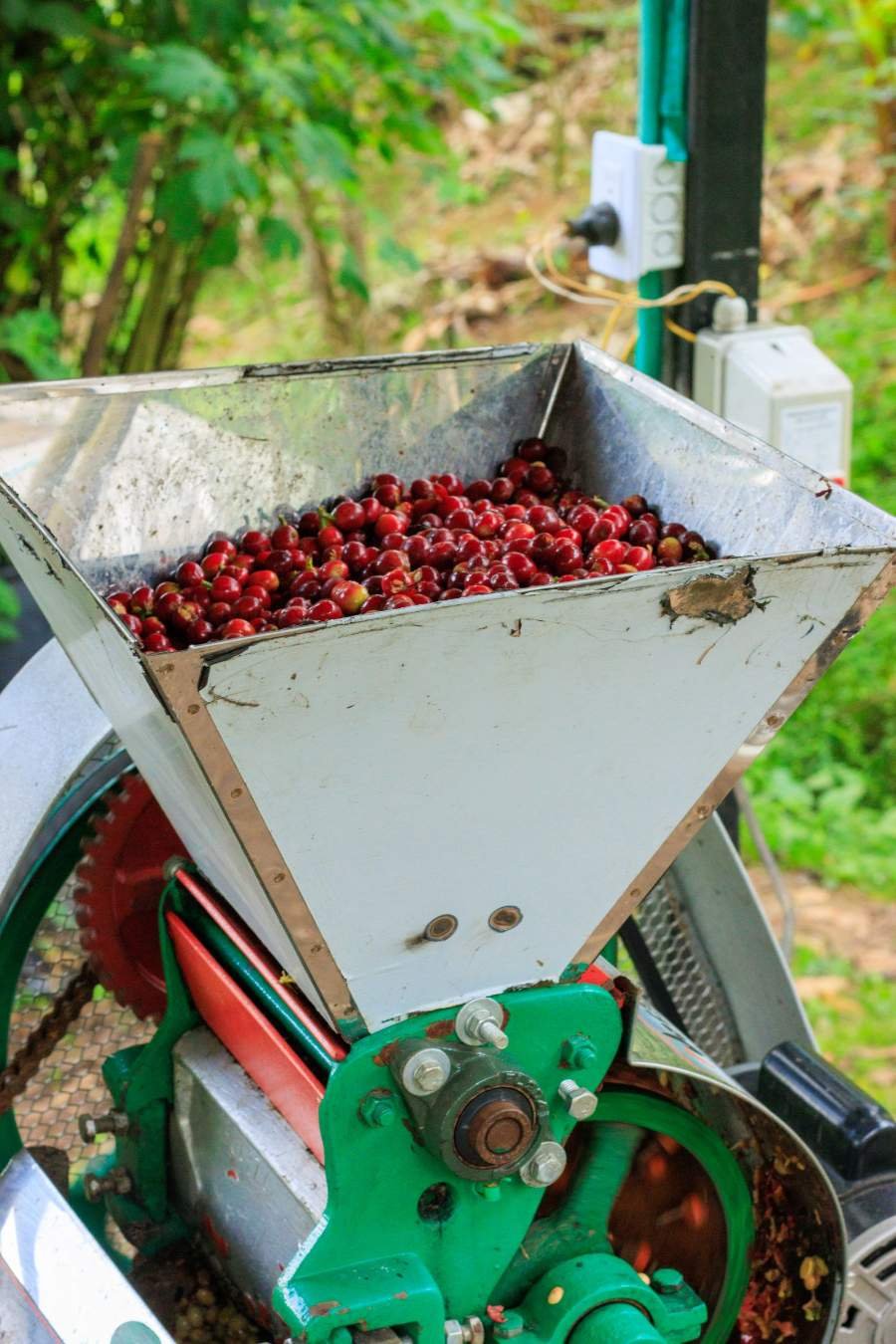
How Washed Coffee Is Processed
A simplified version of the process looks like this:
- Coffee cherries are harvested.
- The cherries are sorted, removing unwanted or damaged fruit.
- The outer skin and much of the fruit are removed.
- The remaining material around the seed may be removed through washing or fermentation.
- The coffee seeds are washed as needed.
- The beans are dried to an appropriate moisture level.
- The dried coffee is prepared for storage, milling, and export.
Fermentation may be part of the process, depending on the producer and equipment being used. Modern processing can involve different approaches, so “washed” doesn’t necessarily mean that every coffee follows exactly the same sequence.
What Does Washed Coffee Taste Like?
Washed coffees are often associated with clarity and a more defined expression of acidity. Depending on the coffee, you may notice characteristics such as:
- Citrus
- Floral notes
- Stone fruit
- Apple or other crisp fruit
- Chocolate
- Caramel
- Tea-like qualities
The important word is “often.” A coffee’s flavor cannot be predicted perfectly from the processing method alone. Washed coffees can have plenty of body and sweetness, while natural and honey coffees can also taste clean and delicate.
Why Choose a Washed Coffee?
Washed coffee can be a good choice when the goal is to explore the characteristics of the coffee itself without as much influence from prolonged contact with the fruit during drying. For someone learning to taste coffee, washed coffees can also be useful because their flavors may come across as relatively distinct and easy to compare.
Natural Coffee: The Cherry Dries Around the Bean
Natural processing is one of the oldest and most straightforward approaches to coffee processing. Instead of removing the fruit soon after harvesting, the whole coffee cherry is dried with the seeds still inside. This means the coffee spends a significant part of the drying process in contact with the fruit surrounding it.
How Natural Coffee Is Processed
The general process is:
- Coffee cherries are harvested.
- The cherries are sorted for quality.
- Whole cherries are spread out to dry.
- Producers turn or move the cherries regularly to encourage even drying.
- Once the cherries reach the appropriate moisture level, the dried fruit is removed.
- The coffee is milled and prepared for storage and export.
Drying conditions are extremely important. If cherries remain wet or are piled improperly, unwanted fermentation or other defects can develop. Good natural processing requires careful management, even though the method itself can look quite simple.

What Does Natural Coffee Taste Like?
Natural coffees are often associated with pronounced sweetness and fruit-forward flavors. Depending on the coffee, tasting notes might include:
- Berries
- Dried fruit
- Tropical fruit
- Jam-like sweetness
- Chocolate
- Wine-like or fermented characteristics
Again, these are tendencies rather than guarantees. The flavor of a natural coffee depends on many variables, including the coffee variety, growing environment, drying conditions, fermentation, roasting, and brewing.
Why Do Natural Coffees Taste Fruity?
Part of the explanation is the extended contact between the coffee seed and the cherry during drying. However, it would be too simplistic to say that the fruit simply “transfers its flavor” directly into the bean. Coffee flavor is influenced by complex chemical changes that happen during processing, drying, roasting, and brewing, and the fruit surrounding the seed is one part of that environment.
For coffee drinkers, the practical takeaway is simpler: natural processing can produce coffees with distinctive sweetness and fruit-forward characteristics, but the exact result varies considerably.
Honey Coffee: Fruit Removed, Mucilage Remains
Honey processing sits somewhere between washed and natural processing. Despite the name, honey processing does not mean that honey is added to the coffee. The term refers to the sticky layer of fruit material, called mucilage, that remains around the coffee seed after the outer skin and some of the fruit have been removed. The coffee is then dried with some of this mucilage still attached.
How Honey Coffee Is Processed
A simplified honey process looks like this:
- Coffee cherries are harvested.
- The cherries are sorted.
- The outer skin is removed.
- Some or most of the mucilage remains on the coffee seed.
- The coffee is dried with the remaining mucilage attached.
- Once dry, the coffee is milled and prepared for storage.
The amount of mucilage left behind can vary, which is why honey coffees can differ considerably from one another.
What Does Honey Coffee Taste Like?
Honey coffees are often described as balancing characteristics associated with washed and natural coffees. Depending on the specific coffee, you might find:
- Noticeable sweetness
- Fruit flavors
- Caramel
- Brown sugar
- Nuts
- Balanced acidity
- Medium to full body
Some producers use terms such as yellow honey, red honey, or black honey to describe different levels of mucilage and processing approaches. These terms aren’t necessarily standardized across every coffee-producing region, so it’s better to treat them as useful descriptions rather than universal technical categories.
Why Is Honey Processing Used?
Honey processing can offer producers another way to influence the drying process and final character of the coffee. It can also require careful attention because the remaining mucilage can affect how the coffee dries, so the method can be labor-intensive, particularly when producers are managing drying carefully to maintain consistency.
Washed vs. Natural vs. Honey: What’s the Difference?
The easiest way to understand the three methods is to look at how much of the coffee fruit remains during drying.
| Processing method | Fruit during drying | Common flavor tendencies |
|---|---|---|
| Washed | Little or no fruit | Clean, defined, bright, balanced |
| Natural | Whole cherry | Fruity, sweet, rich, sometimes fermented |
| Honey | Some mucilage | Sweet, balanced, fruity or caramel-like |
These descriptions are useful starting points, but they shouldn’t be treated as tasting guarantees.
Which Processing Method Should You Choose?
There isn’t one universally best processing method. Instead, think about the type of coffee you want to explore.
Washed may be worth trying if you enjoy:
- Crisp acidity
- Clean flavors
- Floral notes
- Citrus or stone fruit
- A more transparent cup
Natural may appeal if you enjoy:
- Strong fruit flavors
- Higher perceived sweetness
- Berry-like notes
- Fuller cups
- More unusual or intense flavors
Honey may be interesting if you enjoy:
- Caramel-like sweetness
- Fruit without overwhelming intensity
- Balanced acidity
- A combination of sweetness and body
These are general tendencies, not rules. Two coffees using the same processing method can still taste completely different.
What Processing Doesn’t Tell You
Coffee processing is useful information, but it shouldn’t be the only thing considered when buying beans. If you are exploring higher-end beans, our guide to what specialty coffee is explains why this kind of detail shows up on the bag.
Coffee variety matters. Different coffee varieties can have very different characteristics. A washed coffee made from one variety may taste nothing like another washed coffee from a different variety. (For the two main species, see Arabica vs. Robusta.)
Growing conditions matter. Altitude, climate, soil, rainfall, shade, and other environmental factors can influence how coffee develops before harvesting.
Roasting matters. The roasting process has a major effect on the final flavor. A coffee’s processing method may be clearly stated on the bag, but roast development can significantly change how those characteristics appear in the cup. We cover this in how coffee roasting works.
Brewing matters too. Even an excellent coffee can taste disappointing if it is brewed poorly. Grind size, water temperature, coffee-to-water ratio, water quality, and brewing method can all change the final result; see why coffee grind size matters and the coffee-to-water ratio guide.
This is why processing should be viewed as one part of the coffee’s story rather than a shortcut for predicting exactly how it will taste.
FAQ About Coffee Processing
Is washed coffee better than natural coffee?
Neither method is automatically better. Washed and natural coffees can produce excellent cups, and the better choice depends on the coffee itself and the flavors you enjoy.
Does honey coffee contain honey?
No. Honey processing gets its name from the sticky mucilage that remains around the coffee seed during drying. No honey needs to be added to the coffee.
Which coffee processing method is the fruitiest?
Natural coffees are often associated with stronger fruit-forward flavors, but processing alone doesn’t determine the final taste. Variety, growing conditions, drying, roasting, and brewing all matter.
What does “fully washed” mean on a coffee bag?
It generally means that most of the fruit surrounding the coffee seed was removed before drying. The exact processing steps can vary between producers.
What is black honey coffee?
Black honey generally refers to a honey-processing approach where a relatively large amount of mucilage is retained during drying. The terminology isn’t completely standardized, so the exact method can vary between producers.
Can I taste the difference between processing methods at home?
Yes, especially if you compare coffees prepared using the same brewing recipe. Tasting a washed, natural, and honey coffee side by side can be a useful way to notice differences in sweetness, acidity, body, and fruit character.
Final Thoughts
Washed, natural, and honey processing are simply different ways of handling coffee after the cherries are harvested, but their influence can reach all the way to the cup. Washed coffees are often associated with clarity, naturals with fruit and sweetness, and honey coffees with a balance of sweetness and structure. Once these terms become familiar, reading a coffee bag becomes much more useful, and choosing what to brew becomes a little more interesting.
