
Coffee tasting does not have to involve complicated vocabulary or years of experience. With a little attention, it is possible to notice whether a coffee feels bright, sweet, bitter, light, heavy, fruity, nutty, or simply different from the coffee you usually drink. This beginner’s guide explains the main things to pay attention to and includes a simple side-by-side tasting you can do at home.
What Are You Actually Tasting in Coffee?
When people talk about coffee tasting, they are usually describing several sensations at the same time. Some come from aroma, some from the way the coffee feels in the mouth, and some remain after the sip. You do not need to identify a specific fruit or spice immediately. Start with broader impressions. Saying that a coffee reminds you of chocolate is already useful; saying that it tastes like a specific type of chocolate is another level of detail, but it is not automatically a better description.
Aroma Comes First
A large part of what people perceive as flavor is connected to aroma. Before taking a sip, bring the cup toward your nose and smell the coffee. Try noticing whether the aroma seems:
- Sweet
- Floral
- Fruity
- Nutty
- Chocolate-like
- Spicy
- Roasted
- Earthy
- Caramel-like
There is no need to force an answer. If the coffee simply smells like “coffee” at first, that is completely normal. Letting the coffee cool slightly can also change what you notice, because different aromas may become easier to distinguish as the temperature drops.
Flavor Is More Than One Sensation
After smelling the coffee, take a small sip and think about several characteristics separately. Instead of asking only “Do I like it?”, try asking:
- Is it bright or mellow?
- Is it sweet or dry?
- Does it feel light or heavy?
- Is there noticeable bitterness?
- What remains after swallowing?
These questions give you a much clearer picture of the coffee.
The Main Things to Notice During a Tasting
You do not need to memorize dozens of tasting terms. Start with six basic categories.
Aroma
Aroma describes what you smell before and during drinking. A coffee may remind you of fresh fruit, flowers, nuts, chocolate, caramel, spices, toast, cocoa, or dried fruit. Aroma descriptions are naturally subjective, and two people can smell the same coffee and associate it with different things.
Acidity
Acidity is one of the most misunderstood coffee terms. In tasting, it does not simply mean that the coffee is sour. It describes a lively, noticeable quality that can make a coffee feel bright or energetic. Some coffees may remind you of citrus, apples, berries, or stone fruit, while others feel softer and less bright. A pleasant level of acidity can make a coffee feel lively, but if the coffee tastes sharply sour or unpleasant, the brewing may also be part of the problem (see bitter vs. sour coffee).
Sweetness
Sweetness does not necessarily mean that sugar was added. Coffee can have an impression of sweetness that reminds you of caramel, brown sugar, honey, chocolate, or ripe or dried fruit. Some coffees taste more obviously sweet than others. When tasting, ask yourself whether the coffee feels round and naturally sweet or whether it tastes more dry and sharp.
Body
Body describes how the coffee feels in your mouth. Think about the difference between skim milk and cream: they have different textures and weights even before considering flavor. Coffee can feel light, silky, smooth, medium-bodied, heavy, rich, or thick. Body is about physical sensation rather than a specific flavor, so a light-bodied coffee may feel delicate and clean, while a heavier coffee may feel fuller and more substantial.
Bitterness
Bitterness is a normal part of coffee, but its intensity varies. Some coffees have a mild bitterness that balances sweetness and acidity, while others may taste strongly bitter, especially when the roast or brewing method produces a more intense result. You might associate bitterness with dark chocolate, cocoa, toast, roasted grains, or dark caramel. If the bitterness feels harsh, dry, or overwhelming, it can also be a sign that the coffee was brewed too aggressively or extracted too much. Roast level plays a part too, as explained in how coffee roasting works.
Aftertaste
Aftertaste is what remains after you swallow the coffee. It can disappear almost immediately or remain for quite a while. Ask yourself:
- Does the flavor disappear quickly?
- Does sweetness remain?
- Is there lingering bitterness?
- Does a fruit-like impression stay behind?
- Does the coffee leave a dry feeling?
A pleasant aftertaste can be one of the most interesting parts of a tasting because the coffee can change slightly after the sip is gone.
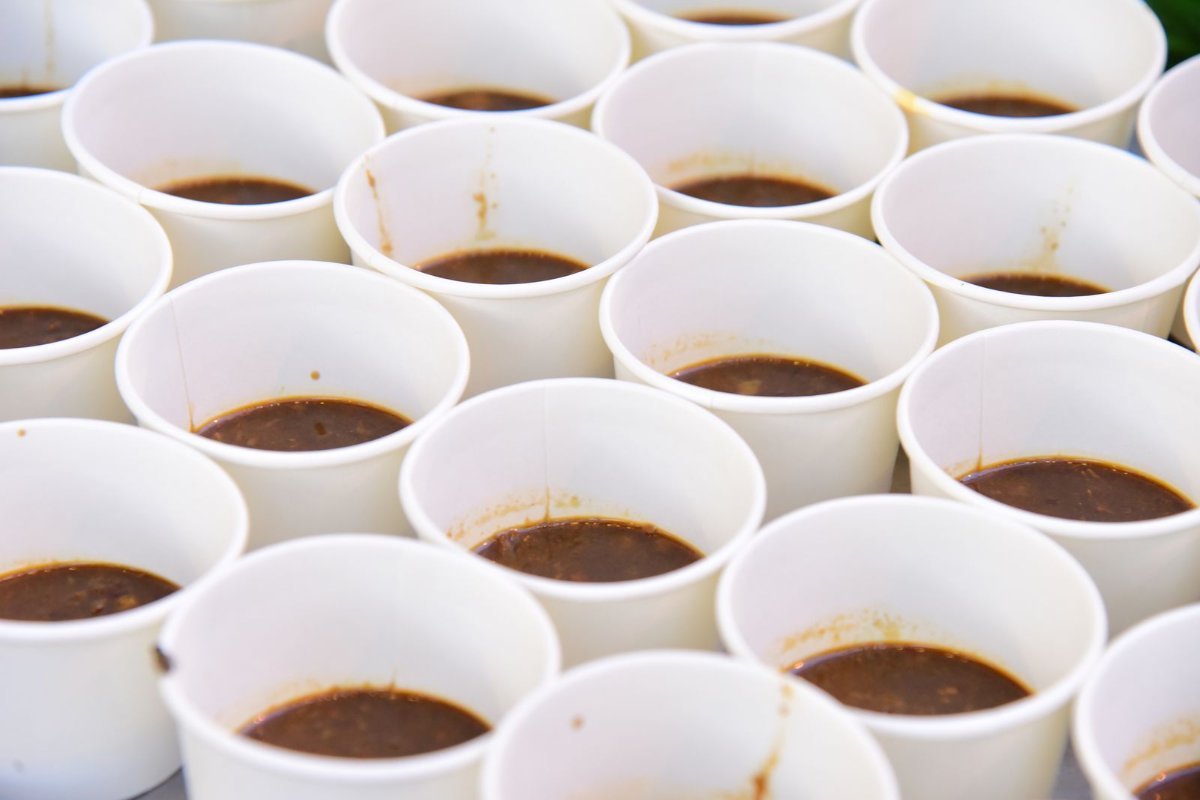
A Simple Coffee Flavor Wheel
A coffee flavor wheel can look intimidating because professional versions contain many specific terms. You do not need to start there. A simpler approach is to begin with broad families and move toward more specific descriptions only when something genuinely reminds you of a particular flavor.
Fruity
Fruity coffees may remind you of citrus, apple, berry, peach, plum, or dried fruit. Instead of trying to identify “blackberry” immediately, start with “fruity” and add something more specific later if it appears naturally.
Floral
Floral notes can remind you of jasmine, rose, orange blossom, or fresh flowers. These aromas are often delicate, so they may be easier to notice when the coffee has cooled somewhat.
Nutty
Nutty descriptions can include almond, hazelnut, peanut, or walnut. A coffee does not need to literally taste like a handful of nuts; the association may simply be a warm, roasted nuttiness.
Chocolatey
Chocolate-like flavors are common descriptions in coffee. You might notice milk chocolate, dark chocolate, cocoa, chocolate syrup, or a cacao-like bitterness. These are comparisons rather than ingredients added to the coffee.
Spicy
Spicy notes can include associations such as cinnamon, clove, black pepper, or baking spices. “Spicy” does not necessarily mean hot or peppery; it can describe an aromatic impression that reminds you of spices.
Caramel and Sweet
Some coffees may remind you of caramel, brown sugar, toffee, molasses, or honey. These descriptions are especially useful when the coffee has a round, sweet impression.
Roasted and Earthy
Other coffees may bring associations such as toast, roasted grains, earth, wood, or dark roast. These categories can be useful when the coffee feels less fruity and more dominated by roasted flavors.
A Simple Way to Describe What You Taste
When you are unsure what to write down, use a few basic questions instead of searching for complicated tasting vocabulary.
| What you notice | Simple words to try |
|---|---|
| Smells like fruit | Fruity, citrusy, berry-like |
| Smells like flowers | Floral, delicate, fragrant |
| Smells like nuts | Nutty, roasted, almond-like |
| Smells like chocolate | Chocolatey, cocoa-like, rich |
| Feels lively | Bright, crisp, vibrant |
| Feels soft and rounded | Mellow, smooth, gentle |
| Feels light in the mouth | Light-bodied, delicate, clean |
| Feels fuller | Full-bodied, rich, heavy |
| Tastes naturally sweet | Sweet, caramel-like, sugary |
| Feels bitter | Bitter, cocoa-like, roasty |
| Leaves flavor behind | Long finish, lingering, persistent |
| Disappears quickly | Short finish, clean finish |
These are starting words, not a vocabulary test. If your first description is simply “sweet and smooth,” that is perfectly valid.
A Simple Two-Coffee Tasting You Can Do at Home
You do not need special tasting glasses or professional equipment. The easiest way to learn is to compare two coffees side by side. Ideally, choose coffees that are noticeably different: for example, one with a lighter, fruitier profile and another with a more chocolatey or nutty character. Use the same brewing method for both so that the coffee itself is easier to compare, and try to use similar amounts of coffee and water (the coffee-to-water ratio guide can help).
What You Need
- Two different coffees
- The same brewing method for both
- Two cups
- Hot water (handle it carefully)
- A spoon
- Paper and a pen, or your phone, for notes
- A glass of plain water, if desired

The Steps
- Smell both coffees. Before drinking, smell the two cups separately. Do not worry about identifying exact flavors; write down the first thing that comes to mind, such as “Coffee A: sweet, fruity” and “Coffee B: nutty, chocolate-like”.
- Taste Coffee A. Take a small sip and think about acidity, sweetness, body, bitterness, and aftertaste. Write down two or three simple words rather than trying to analyze every detail at once.
- Taste Coffee B. Repeat the same process. The important part is to compare rather than judge. You might discover that one coffee feels brighter while the other feels heavier, or that one tastes sweeter while the other leaves more bitterness behind.
- Let the coffees cool. Taste both again after several minutes. Coffee changes as its temperature drops, and some characteristics can become easier to notice. A coffee that seemed mostly bitter when hot may seem sweeter or more fruity as it cools.
- Decide what you actually like. Only after describing the coffees should you decide which one you prefer. This is where personal taste matters most, and there is no correct winner.
A coffee described as floral, bright, and delicate is not automatically better than one described as chocolatey, heavy, and roasted. They are simply different styles. If you want to compare different kinds of coffee, single-origin coffees and blends or arabica and robusta are good places to start.
How to Get Better at Tasting Coffee
Tasting becomes easier through comparison rather than memorization. A few simple habits can help.
Taste the Same Coffee More Than Once
If you brew the same coffee on different days, you may notice different things. That does not necessarily mean you are tasting incorrectly. Your perception can change depending on the brewing method, temperature, what you ate beforehand, and what other flavors you have recently experienced.
Use Familiar Foods as References
You do not need an official flavor vocabulary. If a coffee reminds you of something you know, such as a particular fruit, toast, chocolate, nuts, spices, caramel, or dried fruit, use that comparison. It gives you a way to communicate the sensation.
Do Not Chase Tasting Notes
Coffee bags sometimes contain very specific descriptions (see how to read a coffee bag label). Those can be useful references, but you do not need to find exactly the same flavors. If a coffee is described as having berry and floral notes but you taste chocolate and nuts, your experience is still valid. Tasting notes are subjective descriptions, not a list of answers you are expected to discover.
FAQ
Do I need a trained palate to taste coffee?
No. Anyone can practice noticing differences in coffee. Start with simple sensations such as sweet, bitter, bright, light, heavy, fruity, or nutty.
Why can’t I taste the flavors listed on the coffee bag?
Tasting notes are suggestions based on how the coffee may be perceived, not ingredients added to the beans. Your experience may be different, and that does not mean you are tasting incorrectly.
Is acidity the same as sourness?
No. Acidity can create a bright, lively quality in coffee, while unpleasant sourness can sometimes come from brewing or extraction problems. The two sensations can overlap, but they are not exactly the same thing.
Should I drink coffee black when tasting it?
Black coffee makes it easier to notice the coffee’s aroma, flavor, body, and finish without milk or sugar changing the experience. You can still enjoy the same coffee with milk afterward if that is how you normally drink it.
Why does coffee taste different when it cools?
Temperature affects how you perceive aroma and flavor. As coffee cools, some characteristics that were difficult to notice while it was very hot may become more apparent.
Are there wrong answers in coffee tasting?
No. If you genuinely associate a coffee with chocolate, fruit, nuts, flowers, or something else, that description reflects your perception. The useful part is learning to explain what you notice consistently.
Final Thoughts
Coffee tasting is less about learning a complicated vocabulary and more about paying attention. Start with aroma, then notice acidity, sweetness, body, bitterness, and aftertaste, using familiar foods and sensations as references. Comparing two coffees side by side is one of the easiest ways to learn, and the most important rule is simple: there are no wrong answers when describing what you genuinely taste.
