
The filter you use can change more than just how clean your coffee looks. Paper, metal, and cloth filters allow different amounts of coffee oils and fine particles into the cup, which can affect body, texture, and clarity. This guide explains how each type works, how to care for it, and how to choose one based on the kind of coffee you enjoy.
How Coffee Filters Change the Cup
A coffee filter has a simple job: let brewed coffee pass through while holding back most of the ground coffee. The material and structure of that filter determine how much of the coffee’s oils and tiny particles make it into the finished drink. That difference can be noticeable, but it is important not to treat any filter as a guarantee of a particular flavor. Grind size, coffee dose, water, brewing time, pouring technique, and the brewer itself all influence the result (see why coffee grind size matters).
Paper Filters
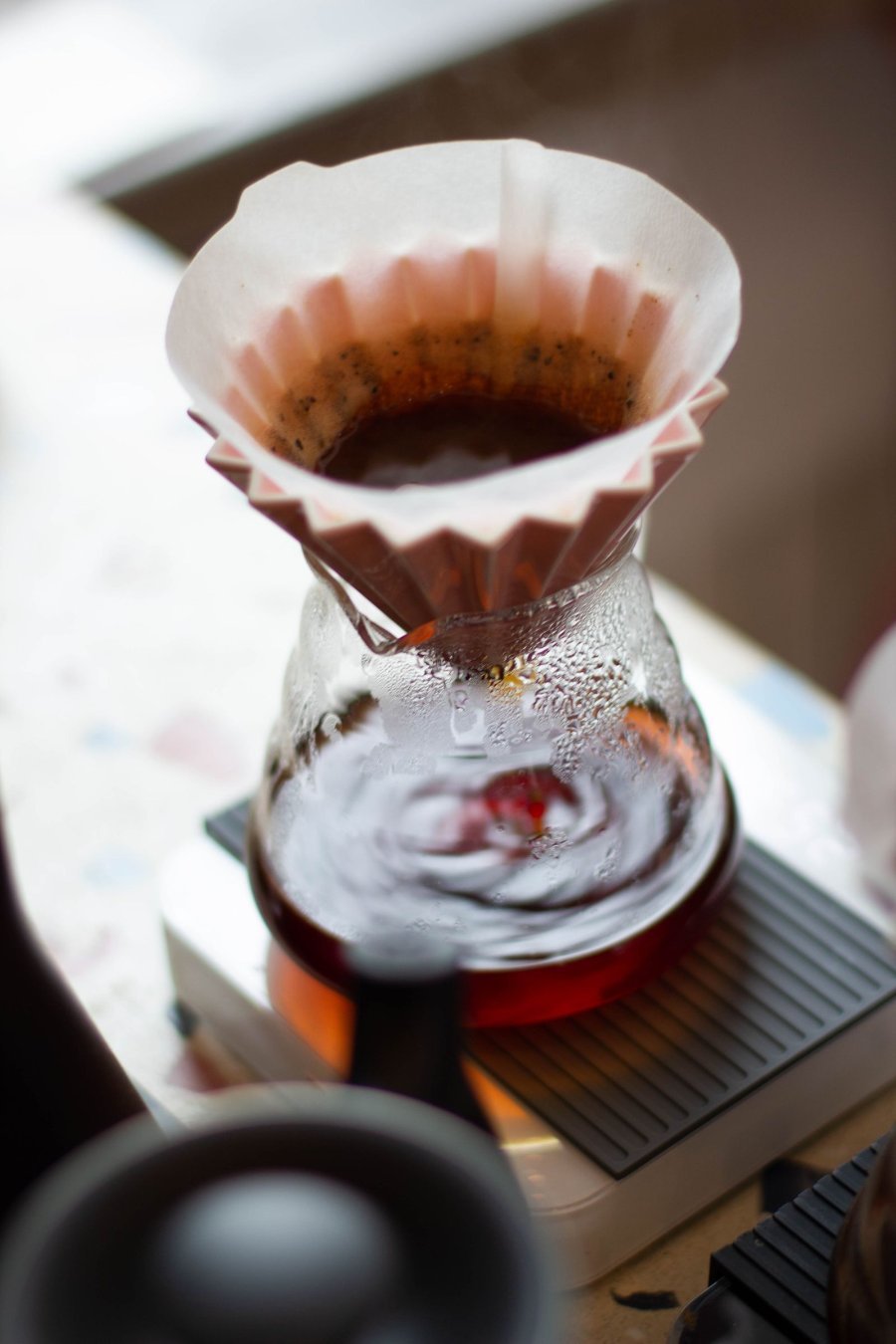
Paper is generally the most effective of the three common filter types at holding back fine particles and coffee oils. This tends to produce coffee with a cleaner appearance and a lighter, more defined texture, and individual flavors can seem easier to distinguish because there is less sediment and oil contributing to the mouthfeel. Paper filters come in different shapes and sizes, so the filter needs to match the brewer. Some common characteristics include:
- High retention of fine coffee particles
- Relatively low transfer of coffee oils
- Clean and clear cup
- Generally lighter body
- Disposable after brewing
- Easy cleanup
Paper is particularly useful when clarity is more important than a heavy or rich texture. It is the filter used in the V60 pour-over method, the Chemex, and most automatic drip machines.
Metal Filters
Metal filters usually have small perforations or a fine mesh that allows more coffee oils and fine particles through than paper. The result is often a fuller, heavier cup with more texture, and some sediment may remain at the bottom of the cup, depending on the filter design and grind size. Metal filters are made for different brewing systems, so the opening and shape still need to fit the brewer correctly. Typical characteristics include:
- More coffee oils passing through
- More fine particles than paper
- Fuller or heavier body
- More texture and possible sediment
- Reusable
- Requires cleaning after use
For someone who enjoys a richer mouthfeel and does not mind a little sediment, metal can be an appealing option. The mesh in a French press is a familiar example.
Cloth Filters
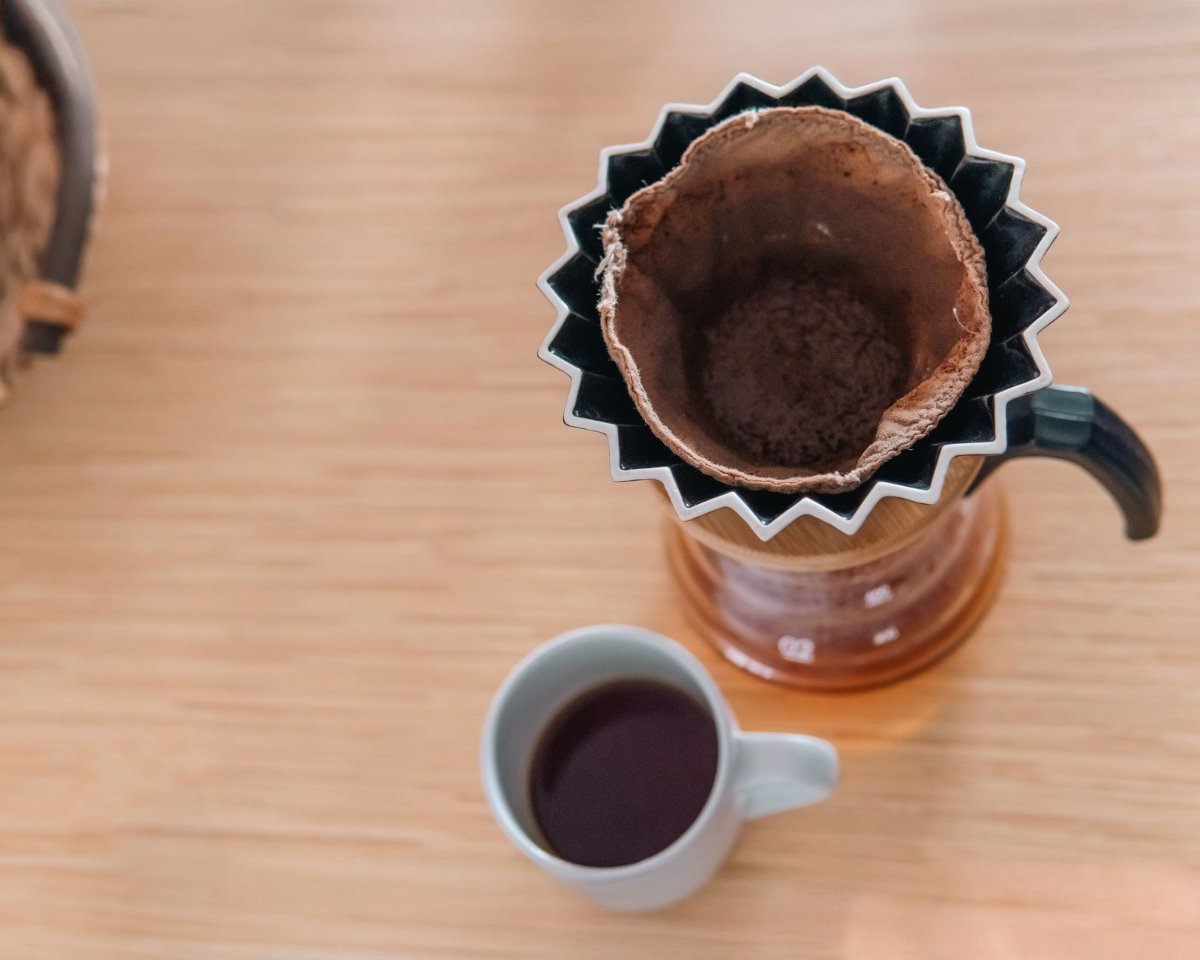
Cloth filters sit somewhere between paper and metal in the way they filter coffee, although the exact result depends heavily on the fabric, thickness, construction, and brewing method. A well-maintained cloth filter can hold back many fine particles while still allowing some coffee oils through, which can produce a cup that feels fuller than paper while remaining relatively clean. Cloth filters are reusable, but they require considerably more care than disposable paper filters. Common characteristics include:
- Some coffee oils pass through
- Fine particles are reduced, but not necessarily eliminated
- Medium to full body is possible
- Relatively clean texture when properly maintained
- Reusable
- Requires careful cleaning and storage
Cloth can be a good middle ground for people who want something reusable without completely giving up the oils and texture found in other brewing methods.
Paper Filters: Bleached, Unbleached, and Rinsing
Paper filters often raise two beginner questions: does the color matter, and should the filter be rinsed?
Bleached vs. Unbleached Paper
Bleached paper filters have been treated to produce a lighter or white appearance, while unbleached filters retain more of the natural brown color of the paper. From a brewing perspective, the difference is not simply a matter of one being “better.” Paper construction, thickness, filter design, and the brewer itself can all affect how the coffee behaves. Some people notice a papery character more easily with certain filters, particularly when they are not rinsed, while others notice little difference. The color of a filter should not be treated as a reliable indicator of the quality of the resulting coffee.
Should You Rinse a Paper Filter?
Rinsing is optional, but it can be useful, particularly with pour-over brewing. A simple approach is:
- Place the paper filter in the brewer.
- Pour hot water through the filter, taking care with the hot water.
- Let the water drain completely.
- Discard the rinse water.
- Add the ground coffee and begin brewing.
Rinsing can remove some of the paper’s loose flavor and also warm the brewing equipment. However, it is not necessary for every brewer or every person’s routine. If the coffee already tastes clean and pleasant without rinsing, there may be little reason to add another step.
Choosing the Right Paper Shape
Paper filters are not universal, and the shape needs to correspond to the brewer. Common shapes include:
- Cone: common in cone-shaped pour-over brewers, where the filter narrows toward the bottom.
- Flat-bottom: designed for flat-bottom drippers and certain automatic brewers.
- Basket: often used in automatic drip coffee makers and some other brewing systems.
Using the wrong shape can cause poor fit, slow draining, or water bypassing the coffee bed. When buying paper filters, the safest approach is to check the filter size and shape recommended for the specific brewer. For more on cone and flat-bottom drippers, see Kalita Wave vs. V60.
Metal and Cloth Filters: Reuse, Cleaning, and Care
Reusable filters can reduce the need to throw away a filter after every brew, but they come with their own maintenance requirements.
How to Clean a Metal Filter
Metal filters should generally be emptied and rinsed soon after brewing rather than allowing wet coffee grounds to dry inside them. A basic routine is:
- Empty the used coffee grounds.
- Rinse the filter thoroughly with water.
- Check the mesh or perforations for trapped particles.
- Use a soft brush when necessary.
- Allow the filter to dry completely before storing.
Avoid using anything abrasive that could damage a fine mesh or alter the filter’s structure. If coffee oils build up over time, a deeper cleaning may be necessary according to the filter manufacturer’s instructions. The goal is to remove accumulated coffee residue without damaging the filter. For the rest of your gear, see how to clean your coffee maker and grinder.
How to Clean a Cloth Filter
Cloth requires more attention because coffee oils and fine particles can become trapped in the fabric. After brewing:
- Remove the coffee grounds promptly.
- Rinse the cloth thoroughly with clean water.
- Continue rinsing until visible coffee residue is gone.
- Store it according to the manufacturer’s care instructions.
- Allow it to dry properly when appropriate.
Some cloth filters are designed to be kept wet between uses, while others are intended to dry completely. Because construction varies, the filter’s care instructions should take priority. Soap or strongly scented cleaning products can also leave residues that affect the taste of future brews, so cleaning should follow the specific filter’s instructions rather than relying on a single universal method.
Why Reusable Filters Need More Attention
A reusable filter does not mean maintenance-free brewing. Coffee oils can accumulate over time, and trapped particles can affect flow. With cloth in particular, poor cleaning can change the way water passes through the material. A clean filter is therefore part of the brewing recipe. If a reusable filter suddenly produces coffee that tastes different or drains unusually slowly, accumulated residue may be worth checking before changing the coffee or grind.
Paper vs. Metal vs. Cloth: What Should You Choose?
There is no universally correct filter material. The best choice depends largely on the texture and clarity you want, as well as how much cleanup you are willing to do.
Quick Comparison
| Type | Taste and body | Upkeep | Reusable? | Best for |
|---|---|---|---|---|
| Paper | Clean, clear, generally lighter body | Very low; discard after brewing | No | People who prioritize clarity and easy cleanup |
| Metal | Fuller, richer, more texture and possible sediment | Rinse and clean after use | Yes | People who enjoy more body and coffee oils |
| Cloth | Fuller than paper with relatively clean texture | More involved cleaning and care | Yes | People who want a reusable option with some oil and body |
These are general tendencies rather than fixed outcomes. A very fine grind, for example, can produce more resistance and sediment with a reusable filter, while a different coffee or recipe may make the same filter taste noticeably different.
Choose Paper If You Want Clarity
Paper is a practical starting point if you enjoy a clean cup and want minimal cleanup. It is especially convenient for pour-over brewing, automatic drip coffee, brewing for guests, simple morning routines, and people who dislike sediment. The main trade-off is that paper filters are normally used once and then discarded.
Choose Metal If You Want More Body
Metal can make sense when texture and coffee oils are part of what you enjoy. It may suit someone who prefers fuller-bodied coffee, more noticeable texture, more coffee oils, reusable equipment, and less dependence on disposable filters. The downside is that metal requires regular cleaning, and the finished cup may contain more fine particles.
Choose Cloth If You Want a Reusable Middle Ground
Cloth can be interesting when you want reusable brewing but still want a relatively clean cup. It can offer a balance between the heavy oil presence associated with some metal filters and the very clean profile often associated with paper. The trade-off is maintenance: cloth needs consistent care and should not simply be rinsed quickly and forgotten.
How Grind Size and Brewing Change the Result
The filter is only one part of the brewing system. Changing the grind can alter the result dramatically, even when the same filter is used.
With Paper
Paper can handle relatively fine particles while retaining much of them, but an excessively fine grind may slow the brew considerably. If the coffee tastes sharp and weak, a finer grind or slightly longer contact time may help. If it tastes harsh and dry, a coarser grind or shorter extraction may be worth trying. See bitter vs. sour coffee for more on this.
With Metal
Because metal lets more fine particles through, grind size can have a particularly noticeable effect on texture. A very fine grind may produce a muddier or more sediment-heavy cup, while a somewhat coarser grind can make the result cleaner while still retaining the characteristic body of a metal filter.
With Cloth
Cloth sits somewhere between the two, but there is no single grind setting that works for every cloth filter. Start with the grind recommended for the brewer and adjust based on flow and taste.
When troubleshooting, change one variable at a time: keep the coffee and water amount consistent, keep the water temperature similar, change the grind slightly, brew again, and compare the result. This makes it much easier to understand what actually changed. For automatic machines, how to brew better drip coffee has more tips.
Common Filter Mistakes to Avoid
Even a good filter can produce inconsistent coffee if the basic setup is wrong. For other pitfalls, see common coffee brewing mistakes.
Using the Wrong Filter Shape
A cone filter in a flat-bottom brewer may not sit correctly, while a filter that is too small can allow water to bypass the coffee bed. Always match the filter shape and size to the brewer.
Ignoring a Dirty Reusable Filter
Old coffee residue can affect both flavor and flow. Metal and cloth filters should be cleaned according to their care requirements instead of being treated like disposable filters.
Assuming Paper Is Always Better
Paper can produce excellent clarity, but that does not make it the best choice for everyone. If you enjoy body, texture, and coffee oils, a reusable filter may suit your preferences better.
Changing Too Many Variables at Once
If the coffee tastes different, changing the filter, grind, dose, water, and brewing time simultaneously makes troubleshooting difficult. Change one thing at a time whenever possible.
Treating Brewing Times as Absolute Rules
A recipe’s brewing time is a useful reference point, not a guarantee. The brewer, filter, grind, dose, pouring technique, and coffee itself can all change the flow rate.
FAQ
Does a paper filter remove coffee oils?
Paper filters retain a large portion of coffee oils compared with many reusable filters. This generally contributes to a cleaner, lighter-bodied cup, although the exact result depends on the filter and brewing method.
Are metal filters better than paper filters?
Neither is objectively better. Metal generally allows more oils and fine particles through, while paper tends to produce greater clarity, so the better choice depends on the type of coffee you enjoy.
Do I need to rinse a paper coffee filter?
Not necessarily. Rinsing can reduce some paper character and preheat the brewer, but many people brew successfully without rinsing.
Can I reuse a paper coffee filter?
Paper filters are generally designed for single use. Reusing one can affect flow and cleanliness, so a reusable metal or cloth filter is a more practical choice if repeated use is the priority.
How often should I clean a metal coffee filter?
It should be rinsed after every use, with deeper cleaning when coffee oils or particles begin to build up. The exact cleaning routine depends on the filter’s construction.
How do I stop a cloth filter from affecting the taste of my coffee?
Keep the cloth properly cleaned and follow its care instructions. Residual coffee oils, particles, or cleaning products can influence later brews, so consistent maintenance matters.
Final Thoughts
Paper, metal, and cloth filters all create slightly different brewing experiences. Paper is generally the simplest choice for clarity and easy cleanup, metal tends to emphasize body and coffee oils, and cloth offers a reusable option with its own balance of texture and cleanliness. None is automatically better: the right filter is the one that fits your brewer, your routine, and the kind of cup you enjoy.
