You do not need a coffee maker to make a good cup of coffee at home. With ground coffee, hot water, and a few basic kitchen items, there are several simple ways to brew coffee without a traditional machine. This guide covers five methods, from a saucepan to a French press alternative, so you can choose the one that fits what you already have in your kitchen.
Before You Start: What You Actually Need
The basic principle behind every coffee brewing method is the same: coffee grounds come into contact with water, and the brewed coffee is then separated from the grounds. Without a coffee maker, you simply need to recreate those basic steps using whatever equipment is available.
Basic ingredients
For one medium cup, a useful starting point is:
- 15–18 g ground coffee
- 250–300 ml water
- Coffee grinder, if using whole beans
- Mug or heat-resistant container
- Spoon
- A way to heat the water
The exact amount of coffee can be adjusted depending on how strong you like your cup (our coffee-to-water ratio guide explains how). If you are using pre-ground coffee, choose a grind appropriate for the method when possible. A medium grind is a useful starting point for several of the methods below, and grind size makes a big difference in how easy it is to separate the coffee from the grounds.
Hot water safety
Hot water can cause serious burns, especially when poured quickly or transferred between containers. Keep these precautions in mind:
- Use heat-resistant mugs, bowls, and containers.
- Pour hot water slowly and carefully.
- Keep children and pets away from the preparation area.
- Do not fill containers so high that they are difficult to carry safely.
- Use an oven mitt or towel if a container becomes hot.
- Be especially careful when handling a saucepan or recently boiled water.
- Let the coffee cool to a comfortable drinking temperature before taking the first sip.
- If heating water in a saucepan or kettle, keep the handle positioned safely away from the edge of the counter or stovetop.
Method 1: Make Coffee in a Saucepan
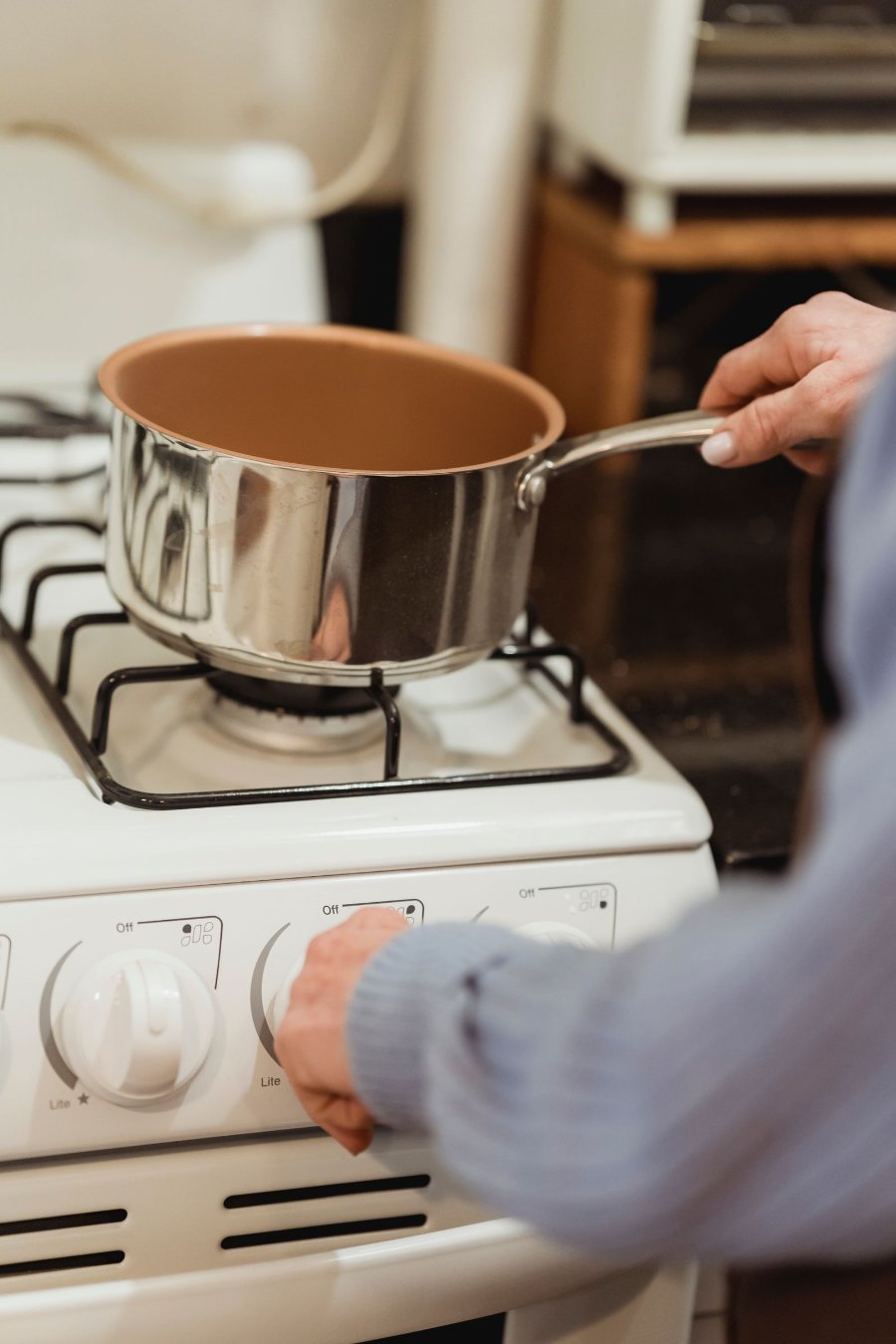
A saucepan is one of the simplest alternatives when there is no coffee maker available. This method is sometimes associated with camp-style coffee because it requires very little equipment. The basic idea is to heat water with the coffee grounds, allow the grounds to settle, and then carefully pour the coffee.
What you need
- 250–300 ml water
- 15–18 g ground coffee
- Small saucepan
- Spoon
- Mug
How to make it
- Add the water to the saucepan.
- Heat the water until it is very hot, but avoid aggressively boiling the coffee for a long period.
- Remove the pan from the heat.
- Add the ground coffee.
- Stir gently so the grounds become fully wet.
- Let the coffee steep for about 4 minutes.
- Allow the grounds to settle toward the bottom.
- Slowly pour the coffee into a mug, leaving as much sediment as possible in the saucepan.
A slightly coarser grind can make this method easier because larger particles tend to be easier to separate from the finished coffee.
What to expect
This method can produce a full-bodied cup, but some fine sediment may remain at the bottom. If the coffee tastes overly strong or bitter, try reducing the steeping time or using slightly less coffee. If it tastes weak, a little more coffee or a longer steep can be tested. Change one variable at a time so it is easier to understand the result.
Method 2: Use a Fine-Mesh Strainer
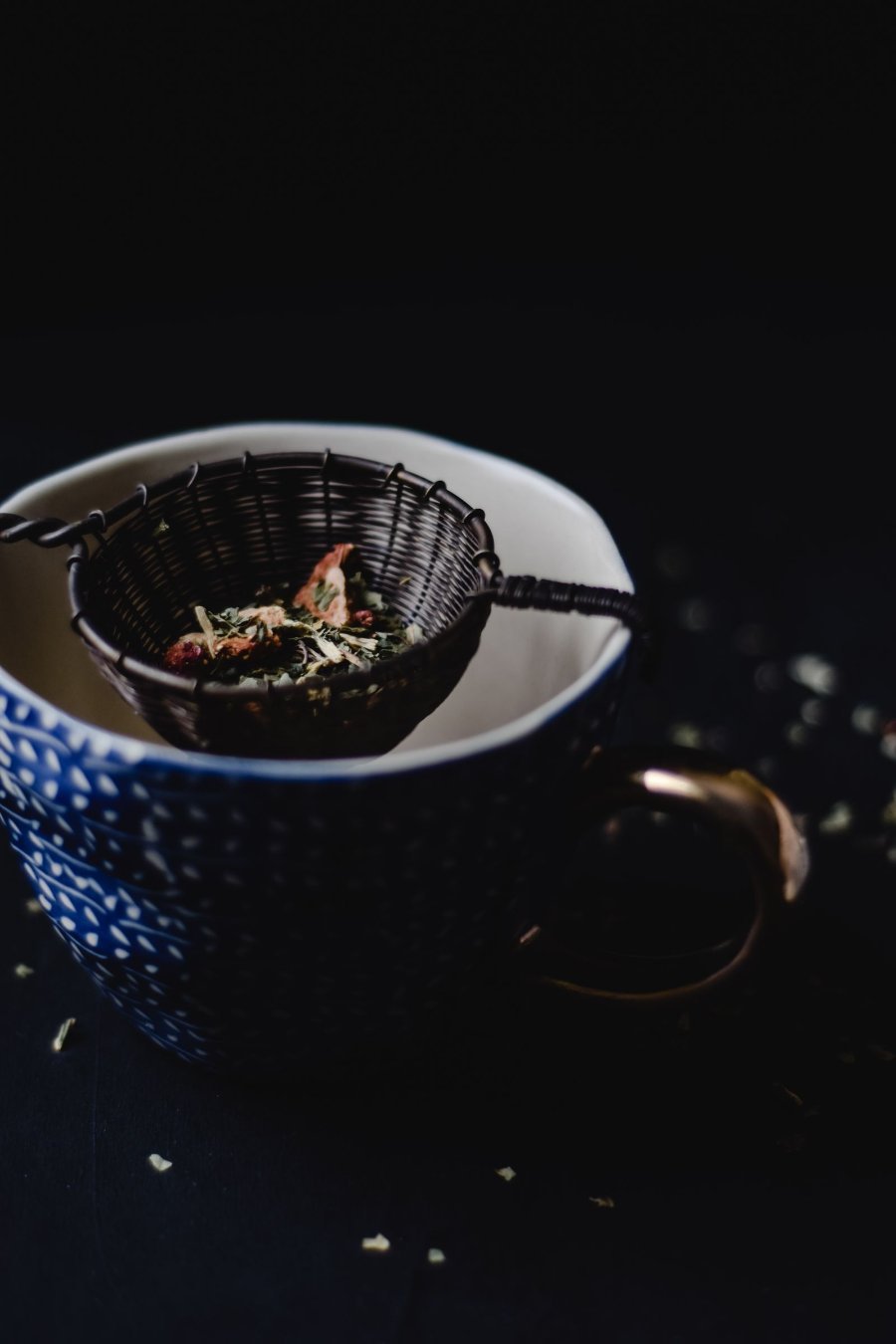
If you have a fine-mesh kitchen strainer, you can create a simple pour-over-style setup without an actual coffee brewer. The strainer acts as the filter, although the result will depend heavily on how fine the mesh is.
What you need
- 15–18 g medium-ground coffee
- 250–300 ml hot water
- Fine-mesh strainer
- Mug
- Spoon
- Another heat-resistant container, if needed
How to make it
- Place the strainer securely over the mug or container.
- Add the ground coffee to the strainer.
- Slowly pour a small amount of hot water over the grounds.
- Wait about 30 seconds to allow the coffee to bloom.
- Continue pouring the remaining water gradually.
- Let the water pass through the grounds.
- Remove the strainer once most of the water has drained.
Pour slowly rather than flooding the grounds all at once. This gives the water more opportunity to move through the coffee evenly.
One limitation
A kitchen strainer is not designed specifically for coffee, so its mesh may allow some fine particles through. If the finished cup contains more sediment than expected, try a finer mesh or place a suitable paper filter inside the strainer if one is available and fits securely. Never use a loose filter arrangement that could collapse into the hot coffee or make the container unstable.
Method 3: Coffee Bag Method
If you have paper coffee filters but no coffee maker, you can make a simple homemade coffee bag. This works somewhat like a tea bag: the coffee grounds are enclosed in a filter and steeped directly in hot water.
What you need
- 15–18 g ground coffee
- 250–300 ml hot water
- Paper coffee filter
- Kitchen string or another food-safe way to secure the filter
- Mug
How to make it
- Place the coffee grounds in the center of a clean paper coffee filter.
- Fold the filter around the grounds.
- Secure it carefully so the grounds cannot easily escape.
- Place the coffee bag in a mug.
- Slowly pour hot water over it.
- Let the coffee steep for about 4 minutes.
- Remove the coffee bag carefully.
- Discard the used grounds.
Do not use ordinary plastic, synthetic string, staples, or materials that are not intended for contact with hot food or beverages.
Adjusting the result
The longer the coffee bag stays in the water, the more extraction occurs. If the coffee is too intense, shorten the steeping time. If it tastes too weak, allow a little more contact time or increase the amount of coffee. This method is particularly useful when you want something simple and easy to clean up.
Method 4: French Press Without a French Press
You can borrow the basic idea of French press brewing even if you do not own the actual brewer. The method uses steeping followed by careful separation of the grounds. (If you do own one, see our French press guide.)
What you need
- 15–18 g coarse-ground coffee
- 250–300 ml hot water
- Heat-resistant jar, bowl, or measuring container
- Spoon
- Fine strainer or another suitable way to separate the grounds
- Mug
How to make it
- Add the coffee grounds to the heat-resistant container.
- Pour in the hot water.
- Stir gently to make sure all the grounds are saturated.
- Let the coffee steep for about 4 minutes.
- Gently stir once more if necessary.
- Allow the grounds to settle.
- Slowly pour the coffee through a fine strainer into your mug.
Avoid using a thin glass container that may not be designed for hot liquids. A sudden temperature change can cause some glassware to crack or break.
Why use coarse grounds?
French press-style brewing generally works well with a coarse grind because the grounds remain in contact with the water for several minutes. Very fine grounds can make separation more difficult and may leave more sediment in the cup.
Method 5: Cowboy Coffee
Cowboy coffee is another simple immersion method that requires very little equipment. It is similar to saucepan brewing, but the coffee is commonly prepared directly in a pot or small container and allowed to settle before serving.
What you need
- 15–18 g coarsely ground coffee
- 250–300 ml water
- Small saucepan or pot
- Mug
- Spoon
How to make it
- Bring the water to a boil in the pot, then take it off the heat and wait about 30 seconds.
- Add the coarse grounds and stir once so they are all wet.
- Leave the coffee to steep for around 4 minutes.
- Sprinkle a small splash of cold water (about a tablespoon) over the surface. This traditional campfire trick helps the floating grounds sink.
- Wait another minute for the grounds to settle.
- Slowly pour the coffee into a mug, stopping before the sediment at the bottom.
The final pouring step is important. Pour gently so the settled grounds remain at the bottom instead of being carried into the cup.
How is this different from saucepan coffee?
The two are close relatives, and the names are not always used consistently. In this guide, the saucepan method uses a medium-coarse grind and simply waits for the grounds to settle, while cowboy coffee uses coarser grounds, starts from just-boiled water, and adds a splash of cold water to help the grounds drop. If you are making coffee over a camp stove with only a pot, cowboy coffee is the version to remember.
Which Method Should You Try?
All five methods can produce coffee without a conventional coffee maker, but each has its own advantages.
| Method | Equipment needed | Grind | Typical contact time | Main characteristic |
|---|---|---|---|---|
| Saucepan | Saucepan, spoon | Medium-coarse | About 4 minutes | Simple and full-bodied |
| Fine-mesh strainer | Strainer, mug | Medium | About 3–4 minutes | More filter-like |
| Coffee bag | Paper filter, string | Medium | About 4 minutes | Simple cleanup |
| French press style | Heat-resistant container, strainer | Coarse | About 4 minutes | Immersion brewing |
| Cowboy coffee | Saucepan or pot | Coarse | About 4 minutes | Cold-water splash settles the grounds |
These are starting points rather than strict rules. Coffee type, grind size, water temperature, and personal taste can all change the ideal recipe.
How to Improve Coffee Without a Coffee Maker
The equipment matters less than a few basic brewing habits.
Use freshly ground coffee when possible
Grinding whole beans shortly before brewing can make it easier to preserve the coffee’s aroma. If you only have pre-ground coffee, that is completely fine. Focus instead on using a reasonable coffee-to-water ratio and storing the grounds properly.
Avoid extremely hot, aggressively boiling water
Freshly boiled water is very hot, and pouring it immediately over coffee is not always necessary. Allowing the water to settle briefly after boiling can make handling easier and gives you more control during brewing. The exact temperature does not need to become a complicated measurement for a simple kitchen method.
Measure your coffee and water
A kitchen scale makes repeatability easier, but it is not essential. If you do not have one, use the same spoon and cup measurements each time. Once you find a combination you like, keeping the proportions consistent makes it easier to reproduce the result.
Change one thing at a time
If the coffee does not taste right, avoid changing the coffee amount, water amount, grind, and brewing time all at once. Try one adjustment:
- Too strong? Use slightly less coffee or reduce contact time.
- Too weak? Add a little more coffee or increase contact time.
- Too bitter? Try a shorter brew or slightly cooler water.
- Too much sediment? Use a coarser grind or improve the filtering step.
Taste is personal, so these adjustments are starting points rather than universal rules. For more troubleshooting ideas, see common coffee brewing mistakes. If you have a stovetop moka pot, our guide on how to use a moka pot is another simple option.
FAQ
Can I make coffee with just hot water and ground coffee?
Yes. Immersion methods such as saucepan or cowboy-style coffee only require ground coffee, hot water, and a container. The main challenge is separating the grounds before drinking.
What is the easiest way to make coffee without a coffee maker?
The saucepan method is one of the simplest because it requires very little equipment. A paper-filter coffee bag is another convenient option if you already have filters available.
Can I use instant coffee instead?
Yes, although instant coffee is prepared differently because it has already been brewed and dried. Simply dissolve the recommended amount in hot water rather than using one of the ground-coffee methods in this guide.
What grind size should I use without a coffee maker?
A medium to coarse grind is a useful starting point for most of these methods. Very fine grounds can make the coffee muddy and difficult to separate from the finished drink.
Why does my homemade coffee have grounds in it?
Some of these methods naturally allow a small amount of sediment into the cup. A finer strainer, coarser grind, or slower pouring technique can help reduce it.
Is boiling coffee bad?
Coffee grounds do not need to be aggressively boiled for several minutes. Heating the water first and then adding the coffee is an easier way to control the brewing process and avoid unnecessary boiling.
Final Thoughts
Making coffee without a coffee maker is much easier than it may seem. A saucepan, strainer, paper filter, or heat-resistant container can be enough to turn ground coffee and hot water into a satisfying cup. Start with one simple method, keep the coffee-to-water ratio consistent, and adjust the grind or brewing time gradually until the result suits your taste.
Related reading: How to Make Cowboy Coffee
