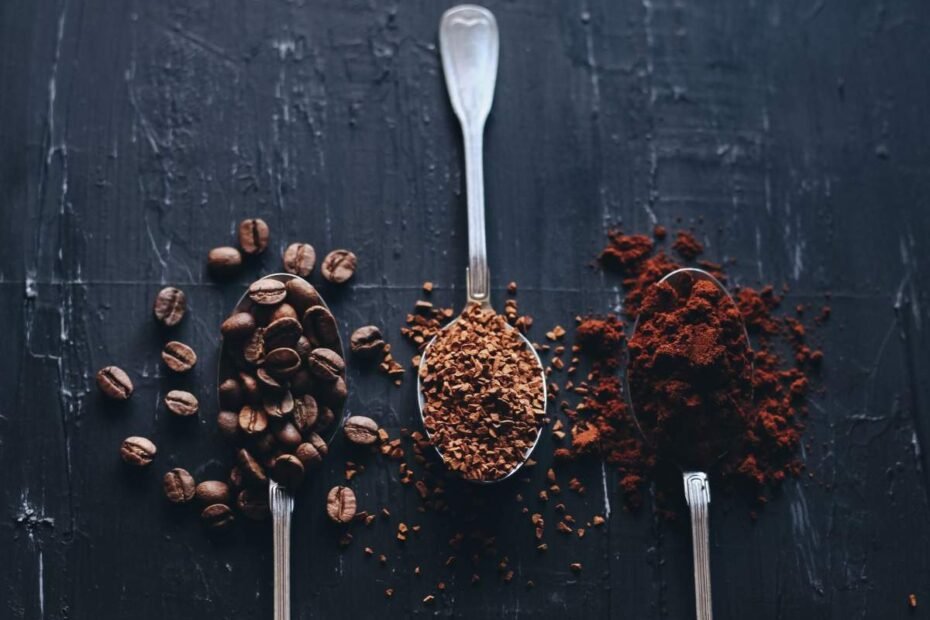
Coffee grind size can look like a small detail, especially when you’re just trying to make a good cup before starting your day. But the size of the grounds affects how quickly water moves through the coffee and how much flavor it extracts along the way. If your coffee tastes unexpectedly bitter, sour, weak, or harsh, the grind may be one of the first things worth checking.
What Does Coffee Grind Size Actually Change?
When you grind coffee beans, you turn one relatively large piece of coffee into many smaller pieces. That creates more surface area for water to contact during brewing. The smaller the particles, the more quickly water can interact with them; larger particles generally slow that process down.
That’s why the same coffee can taste completely different depending on how it’s ground. A grind that’s appropriate for a French press may work poorly in an espresso machine, while a grind suitable for espresso would usually be far too fine for a French press.
Fine vs. Coarse Coffee Grounds
As a simple starting point:
- Fine grind: Smaller particles and more surface area exposed to water.
- Medium grind: A middle-ground texture suitable for several common brewing methods.
- Coarse grind: Larger particles that allow water to move through more slowly.
These descriptions are useful, but they aren’t exact measurements. Two grinders can produce coffee that both gets called “medium” while producing noticeably different particle sizes. That’s why it’s better to think of grind size as a starting point rather than a universal setting.
Why Water Matters Too
Grind size doesn’t work in isolation. Brewing time, water temperature, coffee-to-water ratio, and the brewing method all affect extraction.
For example, a fine grind can make sense when water passes through coffee quickly, as it does with espresso. A coarse grind is more appropriate for methods where coffee stays in contact with water for several minutes. The goal isn’t to find the finest or coarsest grind possible. It’s to choose a grind that fits the way you’re brewing.
Which Grind Size Should You Use?
Different brewing methods need different starting points. The exact setting depends on your grinder and coffee, but the following ranges are useful places to begin.
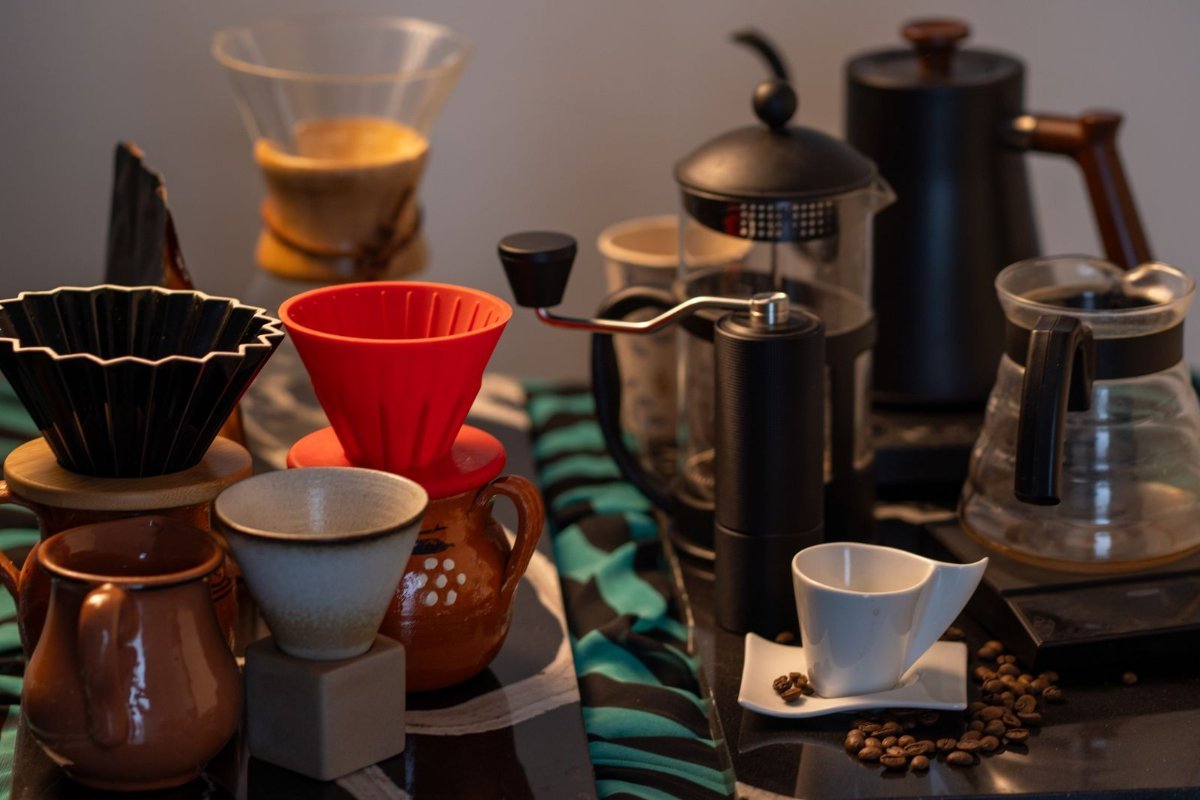
- Espresso: fine. Water is forced through the coffee under pressure in roughly 25–30 seconds, so the grind has to be fine. If the shot gushes, go finer; if it barely flows, go coarser.
- Pour-over: medium to medium-fine. The grind controls how fast the water drains, so it is the main way to adjust the cup. A fast, sharp-tasting brew suggests going finer; a slow, harsh one suggests going coarser.
- Drip coffee maker: medium. If the manufacturer recommends a setting, start there.
- French press: coarse. The grounds steep for several minutes, and a coarse grind keeps fine sediment in the cup to a minimum.
- Moka pot: medium-fine. Finer than French press but not as fine as espresso. Go slightly coarser if the coffee tastes harsh or the pot struggles to brew.
- Cold brew: coarse. The coffee steeps for many hours (often 12–16), and a very fine grind makes filtering difficult and can leave the coffee muddy.
For full recipes, see our guide to the coffee-to-water ratio and the guide for each brewing method. For a more detailed chart that also covers Chemex, AeroPress, cowboy coffee and Turkish coffee, see the coffee grind size chart.
How to Tell When Your Grind Size Is Wrong
You don’t need expensive equipment to start adjusting your grind. Your coffee’s taste and the way water moves through the grounds can tell you quite a lot.
If the Coffee Tastes Sour or Sharp
A noticeably sour or sharp cup can sometimes indicate under-extraction, meaning the water hasn’t extracted enough flavor from the coffee. Before changing the grind, consider the whole brewing process. If the water moved through the coffee unusually quickly, try grinding slightly finer next time.
For example, if a pour-over normally takes around three minutes for you but suddenly finishes in under two minutes, a slightly finer grind may help slow the flow.
If the Coffee Tastes Bitter or Harsh
Bitterness can be associated with over-extraction, although roast level and the coffee itself can also contribute to bitter flavors. If your brew is taking much longer than expected, try going slightly coarser. You can also check whether you’re using more heat or brewing for longer than your recipe calls for.
Don’t assume that every bitter cup needs a coarser grind, though. Changing one variable at a time makes troubleshooting much easier.
If the Coffee Tastes Weak or Thin
A weak cup can have several causes. You may be using too little coffee, too much water, a grind that’s too coarse for your brewing method, or a brewing process that isn’t extracting enough flavor. Rather than immediately grinding finer, check your coffee-to-water ratio first. If the ratio is already appropriate, make a small grind adjustment and compare the result.
If the Coffee Is Muddy
A muddy cup is often associated with too many fine particles, particularly with methods such as French press. Some grinders produce a mixture of large particles and very small particles. Those tiny particles can pass through filters more easily and contribute to sediment.
If this happens frequently, grinder consistency may be just as important as the grind setting itself.
How to Adjust Your Grinder Without Guessing
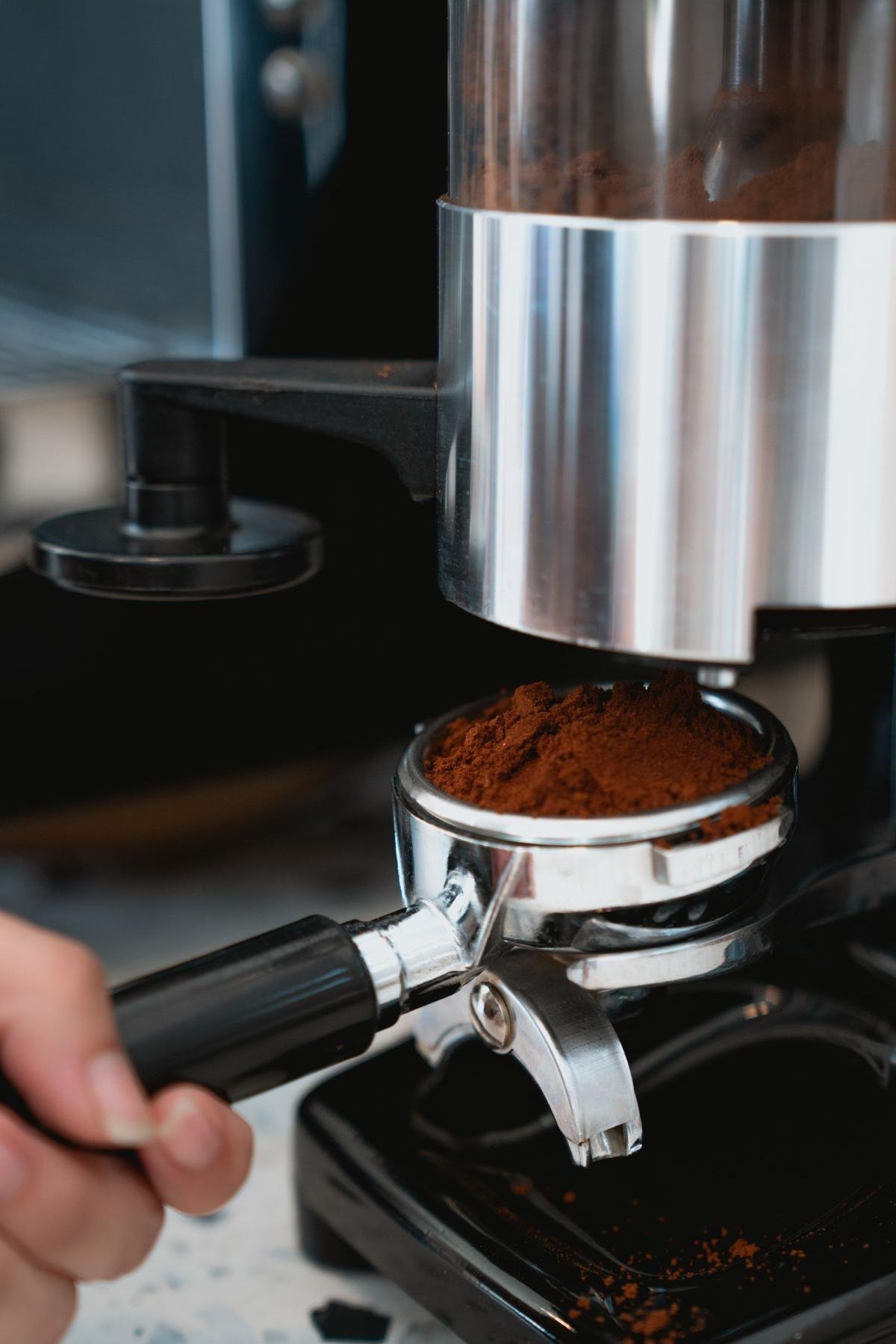
Once you have a reasonable starting point, the easiest way to improve your coffee is to make small changes.
Change Only One Thing at a Time
If your coffee tastes wrong, don’t simultaneously change the grind, dose, water temperature, brewing time, and coffee beans. Instead:
- Brew using your normal recipe.
- Taste the coffee.
- Identify the main problem.
- Change the grind slightly.
- Brew again using the same other variables.
- Compare the two cups.
This may sound slower, but it makes it much easier to understand what’s happening.
Use Small Grind Adjustments
You don’t need to make a dramatic jump from coarse to fine. If your coffee is finishing too quickly, move the grinder one small step finer. If it’s taking too long, move one step coarser. The size of each adjustment depends on your grinder. Some grinders have large jumps between settings, while others offer much finer control.
Keep Notes if You’re Dialing In a Coffee
If you’re trying to get consistent results from a particular coffee, write down a few details:
- Coffee name
- Roast level
- Grind setting
- Coffee dose
- Water amount
- Water temperature
- Brewing time
- Your impression of the taste
You don’t need a complicated spreadsheet. A few notes on your phone can be enough to help you remember what worked.
Why a Good Grinder Makes a Difference
The number on your grinder isn’t the whole story. Two grinders set to the same general grind size can produce different results because their burrs, adjustment systems, and particle distribution aren’t identical.
A grinder that produces a more consistent range of particle sizes can make brewing easier to control. This is especially noticeable with methods where small changes in flow can significantly affect the final cup. That doesn’t mean you need an expensive grinder to make good coffee. If you’re using a basic grinder, consistency is still something you can work with by learning how its settings behave and keeping your recipe reasonably consistent.
Blade Grinders vs. Burr Grinders
Blade grinders chop coffee rather than crushing it between two burrs. Because the blades keep moving through the beans, they can produce a mixture of large pieces and very small particles.
Burr grinders are designed to produce a more controlled particle size. If you’re struggling to get consistent results, upgrading the grinder can sometimes make a bigger difference than constantly changing the coffee itself.
Frequently Asked Questions
What is the best grind size for coffee?
There isn’t one best grind size for every coffee. Espresso generally needs a fine grind, pour-over and drip coffee usually start around medium, French press works well with coarse grounds, and cold brew commonly uses a coarse grind.
Can I use the same grind size for every brewing method?
You can, but it usually won’t give you the best results. Brewing methods differ in contact time, water flow, and pressure, so they generally need different grind sizes.
Should I grind coffee finer if it tastes sour?
Often, a slightly finer grind is a useful adjustment when a coffee tastes sour and the brew appears under-extracted. However, brewing time, water temperature, coffee dose, and the beans themselves can also affect acidity.
Should I grind coffee coarser if it tastes bitter?
Going slightly coarser can help when bitterness is caused by excessive extraction or a brew that is taking too long. Before changing the grind, check the brewing time and heat as well.
Does grind size affect brewing time?
Yes. A finer grind generally slows water movement through a coffee bed, while a coarser grind tends to allow water to move through more easily. The effect is particularly noticeable in methods such as pour-over and espresso.
Is pre-ground coffee worse than freshly ground coffee?
Freshly grinding your beans gives you more control over grind size and generally preserves more aroma than coffee that has already been ground and stored. Still, properly stored pre-ground coffee can be perfectly practical, especially if convenience matters more to you.
Final Thoughts
Getting the grind right isn’t about memorizing one perfect setting. Start with a grind appropriate for your brewing method, keep the rest of your recipe consistent, and make small adjustments based on how the coffee tastes and how quickly it brews. Once you learn that relationship, grind size becomes a useful tool rather than another confusing part of making coffee.
Related reading: see also our grind size chart for every brewing method.
