If you’ve ever looked at a bag of coffee and wondered whether Arabica is really better than Robusta, you’re not alone. These are the two coffee species you’ll encounter most often, but they can produce noticeably different cups.
The difference isn’t simply about quality. Arabica and Robusta have different growing characteristics, caffeine levels, flavors, and typical uses. Understanding those differences can make it much easier to choose coffee that matches your taste.
What Are Arabica and Robusta Coffee?
Before comparing them in the cup, it helps to understand what these names actually mean.
Arabica coffee
Arabica coffee comes from the species Coffea arabica. It is widely associated with specialty coffee and is grown in many coffee-producing regions around the world.
Arabica beans are often described as having a smoother and more complex flavor profile. Depending on the origin and how the coffee is processed and roasted, you may notice notes such as:
- Chocolate
- Caramel
- Nuts
- Citrus
- Berries
- Stone fruit
- Floral flavors
However, not every Arabica tastes the same. Origin, variety, altitude, processing, roasting, and brewing all influence the final cup.
Robusta coffee
Robusta is commonly used to refer to Coffea canephora, another important coffee species that plays a major role in the global coffee industry. It’s generally associated with a stronger, more intense cup, and it can have earthy, woody, nutty, or bitter characteristics, although the exact flavor depends on the coffee and how it’s produced.
Robusta is particularly common in espresso blends like those used in a classic cappuccino, instant coffee, and other commercial coffee products.
Arabica vs. Robusta: The Main Differences
The easiest way to understand the two is to compare the characteristics that matter most when you’re buying or brewing coffee.
Flavor and aroma
For many coffee drinkers, flavor is the biggest difference. Arabica often has a broader range of aromas and flavors, with more noticeable sweetness and acidity, so depending on the coffee it can taste bright and fruity or rich and chocolatey. Robusta, on the other hand, tends to have a heavier, more intense character, and some coffees may have earthy, woody, grain-like, or more bitter notes.
A simple comparison looks like this:
| Characteristic | Arabica | Robusta |
|---|---|---|
| Typical flavor | Smooth, sweet, complex | Strong, earthy, intense |
| Acidity | Often higher | Usually lower |
| Bitterness | Often lower | Often higher |
| Aroma | Frequently more aromatic | Generally more intense and earthy |
| Caffeine | Lower | Higher |
| Common use | Filter coffee, specialty coffee, espresso | Espresso blends, instant coffee, commercial blends |
These are general tendencies rather than strict rules. A carefully produced Robusta can taste very different from inexpensive commercial Robusta, just as two Arabica coffees can taste completely different from each other.
Caffeine content
One of the more noticeable differences is caffeine: Robusta generally contains more of it than Arabica. As a rough guide, Arabica beans contain about 1.2–1.5% caffeine and Robusta about 2.2–2.7% (Compound Interest), so Robusta often has around one and a half to two times as much. A peer-reviewed study of commercial coffees measured about 1.2–1.3% caffeine in Arabica beans and notes that robustas contain about twice as much (Ludwig et al., Food & Function, 2014). Caffeine tastes bitter, which is one reason Robusta can contribute a particularly strong character to a blend.
But caffeine isn’t determined only by species. The amount in your cup also depends on factors such as:
- How much coffee you use
- The brewing method
- The serving size
- The roast
- The specific coffee
So you shouldn’t assume that every Robusta coffee automatically contains twice as much caffeine as every Arabica coffee.
Growing conditions
Arabica and Robusta also differ in how they grow. Arabica generally prefers particular growing conditions and is often cultivated at higher elevations, and the plants can be more sensitive to environmental conditions and certain pests and diseases.
Robusta, by contrast, is generally more tolerant of warmer conditions and can grow successfully at lower elevations, and it’s also known for being more resistant to some common coffee diseases. These differences affect where each species can be cultivated and help explain why they’re produced in different regions and environments.
Does Arabica Really Taste Better Than Robusta?
This is probably the most common question, and there isn’t one universal answer. Arabica has a strong reputation for quality because many specialty coffees are made from Arabica beans, and these coffees can offer complex aromas, sweetness, acidity, and distinctive flavors that appeal to people who enjoy exploring different origins. That doesn’t mean Robusta is automatically bad coffee, though.
Why some people prefer Arabica
Arabica may be a good choice if you enjoy:
- Fruity or floral flavors
- A sweeter cup
- More noticeable acidity
- Complex aromas
- Light or medium roasted coffee
- Exploring coffees from different origins
Why some people prefer Robusta
Robusta can make sense if you enjoy:
- A stronger coffee character
- More bitterness
- A heavier body
- Traditional espresso-style blends
- A more intense caffeine experience
- Coffee with milk, where a stronger flavor can stand out
Taste is personal. If you prefer the bold character of a Robusta blend, there’s no reason to choose Arabica simply because it has a stronger reputation.
Quality matters within both species
It’s also important not to treat species as a simple quality ranking, because coffee quality depends on much more than whether the bean is Arabica or Robusta. Farming practices, harvesting, processing, storage, roasting, and brewing can all make a significant difference. A poorly handled Arabica won’t necessarily produce a great cup, while a well-produced Robusta can be an interesting coffee in its own right.
Why Is Robusta Common in Espresso Blends?
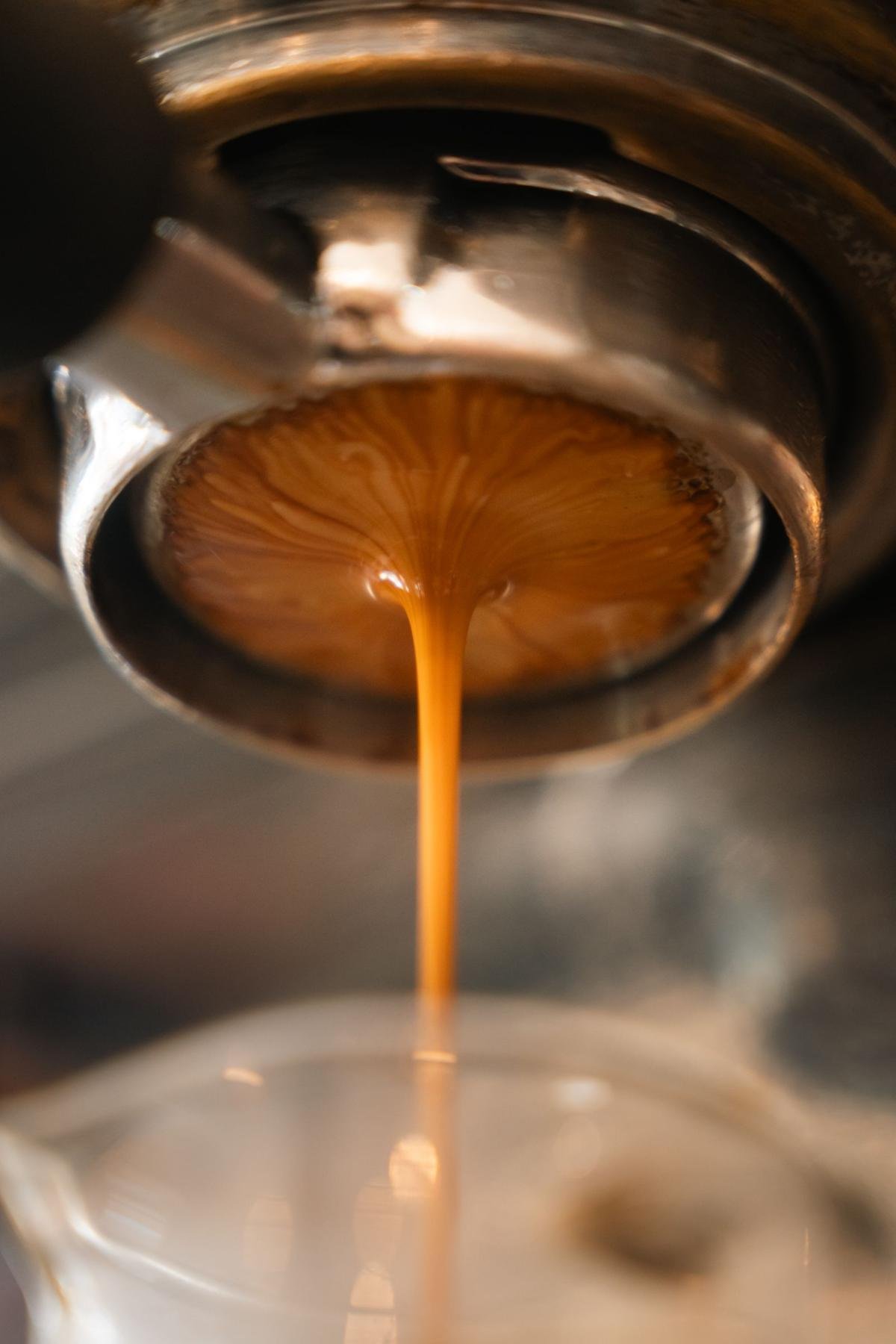
If you’ve ever enjoyed a traditional espresso with a thick crema and strong flavor, there is a chance the blend included Robusta.
Robusta in espresso
Espresso blends often include Robusta because its characteristics can complement Arabica, and depending on the blend, it can contribute:
- More body
- A stronger flavor
- Additional bitterness
- A heavier mouthfeel
- A pronounced crema
The goal isn’t necessarily to make the coffee taste more bitter; a well-designed blend uses different coffees to create a particular balance. For example, a roaster might combine Arabica and Robusta to bring together sweetness and aromatic complexity with the heavier body and intensity associated with Robusta.
Does all espresso contain Robusta?
No. Espresso is a brewing method, not a type of coffee bean, so an espresso can be made entirely from Arabica, entirely from Robusta, or from a blend of different coffees. If you buy whole beans for an espresso machine, check the package to see whether the roaster specifies the species or blend.
How to Choose Between Arabica and Robusta
If you’re standing in front of a shelf full of coffee bags, you don’t necessarily need to memorize every difference; instead, think about what you want from your cup.
Choose Arabica if you want:
- A smoother and potentially sweeter profile.
- More noticeable acidity and aromatic complexity.
- Fruity, floral, nutty, or chocolate-like flavor possibilities.
- Coffee for filter brewing or other methods where subtle flavors are easy to notice.
Consider Robusta if you want:
- A stronger and heavier coffee character.
- More caffeine per bean.
- A more intense flavor.
- Coffee that works well in traditional espresso blends.
- A bold cup that holds up well when combined with milk.
If you’re still unsure
Try both. One of the easiest ways to understand the difference is to brew an Arabica and a Robusta using similar amounts and the same brewing method, then taste them side by side rather than relying only on descriptions on the package. You may discover that your preference isn’t exactly what you expected.
Common Myths About Arabica and Robusta
There are a few ideas about these two coffee species that can make choosing coffee more confusing than it needs to be.
“Arabica is always better”
Not necessarily. Arabica is often associated with specialty coffee, but the species alone doesn’t determine the quality of a coffee; production, processing, roasting, freshness, and brewing all matter.
“Robusta is only cheap coffee”
It’s widely used in commercial coffee, which may explain this perception. However, there are also carefully produced Robusta coffees, and some are valued for their particular characteristics.
“Robusta always tastes terrible”
Taste is subjective, and Robusta can vary considerably. Some people won’t enjoy its stronger earthy or bitter characteristics, while others specifically like the intensity and body it can bring to a cup.
“Arabica has no caffeine”
Arabica contains caffeine too; it simply tends to contain less of it than Robusta.
“Espresso means Robusta”
Espresso refers to the brewing method, not the species, so you can make espresso with Arabica, Robusta, or a combination of the two.
FAQ: Arabica vs. Robusta
Is Arabica healthier than Robusta?
There isn’t a simple rule that makes one species universally healthier. They differ in their chemical composition, including caffeine levels, but your overall coffee intake and how you prepare and consume it also matter.
Which has more caffeine, Arabica or Robusta?
Robusta generally contains more caffeine than Arabica, roughly 2.2–2.7% of the bean compared with about 1.2–1.5% for Arabica. However, the caffeine in your finished drink also depends on the amount of coffee used, brewing method, and serving size.
Does Robusta taste more bitter than Arabica?
Often, yes. Robusta commonly has a stronger and more bitter profile, but flavor varies considerably depending on the coffee’s origin, processing, roasting, and quality.
Is Arabica more expensive than Robusta?
Arabica is often more expensive, particularly when it is specialty-grade coffee. Production conditions, demand, origin, quality, and processing all influence the price.
Can I use Robusta in a French press?
Yes. Robusta can be brewed with a French press just like other coffee. The result may have a stronger, heavier character, so you may want to adjust the amount and grind to suit your taste.
Which one should a beginner buy?
There isn’t one correct choice. Arabica is a useful starting point if you prefer a smoother and more aromatic cup, while a Robusta blend may appeal to someone who likes stronger, bolder coffee.
Final Thoughts
Arabica and Robusta aren’t simply two versions of “good” and “bad” coffee. They are different species with different characteristics, and both can have a place in your coffee routine. If you’re curious, try them side by side and pay attention to sweetness, bitterness, acidity, aroma, and body. Your own palate is a much better guide than a label telling you which one you’re supposed to prefer.
